Owabi Wildlife Sanctuary

Owabi Wildlife Sanctuary

The Owabi Wildlife Sanctuary is a significant bird sanctuary located near Kumasi, which plays a crucial role in protecting the catchment area of one of the dams used for the water supply to the Kumasi metropolis. Prior to the construction of the Barekese Dam in 1971, Owabi was the only source of water to Kumasi. Among the four wildlife protected areas in Ghana, Owabi is the smallest, covering an area of 13km² and situated approximately 23km northwest of Kumasi. The Sanctuary has an inner Sanctuary of about 7km, which encompasses a lake formed by the damming of the Owabi River in 1928. The area comprises a plantation of an exotic species, Cassia siamea, which covers approximately 10% of the total area. The remaining area comprises secondary vegetation, small areas of riverine forest, and aquatic vegetation. The Sanctuary is home to a rich variety of vascular plants, with 199 species having been identified so far. Among these, there are 91 tree species, 19 shrub species, 40 herb species, 14 grass species, 1 parasite species, 6 fern species, and 29 climber species. In addition, the Sanctuary boasts a relatively rich avifauna, consisting of both indigenous and migratory bird species. So far, 161 birds from 29 families have been recorded, with 13 of them being listed in Appendix II of the Convention on International Trade in Endangered Species of Wild Fauna and Flora (CITES). Moreover, Owabi is the only inland Ramsar Site in Ghana. The Sanctuary has a distinct touristic value due to its scenic appeal, potential for picnicking, bird watching, observing monkeys in the forest, boating, and recreational fishing. It is also an excellent facility for educational tours and ecological studies, and Kumasi Zoo provides guided tours by trained staff. Visitors can enjoy a guided walk through the Sanctuary and possibly visit the Owhim bead industry while at Owabi. Guided tours may also include a visit to the waterworks, where the station officer is happy to show visitors around the treatment plant and demonstrate the water treatment process. Location to Owabi Wildlife Sanctuary READ NEXT ON: Fort Metal Cross (Dixcove)

History of Ghana Senior High School(GHANASS)

Ghana Senior High School

GHANASS, short for Ghana Senior High School, is a renowned high school located in Koforidua, Ghana. The school has a rich history that dates back to the establishment of two colleges, which later merged to form the institution popularly referred to as The Beacon of the East. Today, GHANASS is known for its excellent academic programs and is highly respected for its commitment to producing well-rounded students who excel in various fields. History In 1943, Fred Addae and Francis Adjei Tetebo, two visionary educators, founded Phoenix College in Koforidua, Ghana. The school initially enrolled just 16 boys and was housed in a temporary building. However, within a few years, the student population grew, and a new location became necessary. In 1950, the school moved to a new location, which is now home to the Normal Technical Institute in Koforidua. With the location change came a change in the school’s name, and Phoenix College became Christ College. The move proved to be a significant milestone for the school, as it provided more space for the growing student population. However, with an ever-increasing number of students, the school had to move again to accommodate everyone. This time, the school moved to Effiduase, where it found a new home at the current premises of Effiduase Police Quarters in Koforidua. This move was made possible through the tireless efforts of Reverend Dr. Nimako, the first Member of Parliament for New Juaben Constituency, Mr. WT Wutor, a contractor, and Nana Frempong Mposo II, the then-chief of Effiduase. During this period, Mr. Francis Adjei Tetebo served as the school’s principal. Sadly, Mr. Fred Addae, the school’s headmaster, had passed away. Despite this loss, the school continued to thrive and expand, providing education to an ever-growing number of students. Later developments Ghana Secondary School, formerly known as Christ College, has a rich history dating back to 1957, the year that Ghana gained its independence. During a visit to Koforidua, Osagyefo Dr. Kwame Nkrumah requested a name change for the school to reflect its significance as a government-established secondary school. The change was necessary to align the school with other institutions such as the Ghana National College in Cape Coast and the Ghana Secondary Technical School in Takoradi. After the school was absorbed into the public school system, Mr. Daniel Ofori Dankwa, a Science teacher at Accra Academy, was invited to take over the reins of the school. Under his leadership, the first Speech and Prize-Giving Day was organized, and the school began to flourish. Despite having a population of only 100 boys and 6 girls with a staff of 6 at the time, Mr. Dankwa worked tirelessly to expand the school and improve its offerings. Through his hard work and dedication, Mr. Dankwa was able to develop the school significantly, leading to his promotion to Director of Education in 1974. He was succeeded by Rev. R. P. Nyarko, who continued the work of his predecessor and further expanded the school’s offerings. Today, Ghana Secondary School boasts a population of over 2,300 students, both male and female, with a staff of about 80 well-qualified and trained teachers. The school’s rich history and dedication to education continue to attract students from all over the country. With its commitment to excellence and its focus on preparing students for a successful future, Ghana Secondary School remains a cornerstone of the Ghanaian education system. READ NEXT ON: History of Bishop Herman College

5 Strategies for Writing Engaging Email Content

Email Content

Email marketing is a critical tool for businesses looking to connect with their audience and drive sales. However, with so many emails flooding people’s inboxes every day, it can be challenging to stand out from the crowd. To write engaging email content that resonates with your audience, here are five strategies to consider. 1. Know Your Audience The first and most important strategy for writing engaging email content is to know your audience. Understanding your target audience’s needs, interests, and pain points can help you tailor your message and create content that resonates with them. Consider segmenting your email list based on factors such as demographics, behavior, or past purchase history, and create personalized messages that speak directly to their needs. 2. Use Attention-Grabbing Subject Lines Your email’s subject line is the first thing your audience sees, and it can make or break your open rate. To grab your audience’s attention, use attention-grabbing subject lines that pique their curiosity, evoke emotion, or offer value. Keep your subject lines short and to the point, and avoid using spammy or clickbait phrases that may turn off your audience. 3. Keep Your Content Short and Sweet In today’s fast-paced world, people’s attention spans are short, and they don’t have time to read lengthy emails. To write engaging email content, keep your message short and sweet, and get to the point quickly. Use concise sentences and paragraphs, and break up your content with headings, bullet points, and images to make it easier to read and digest. 4. Offer Value and Benefits To keep your audience engaged and interested in your email content, you need to offer value and benefits. Whether it’s providing exclusive content, offering a special promotion, or sharing helpful tips and advice, your email content should provide something of value to your audience. Make sure your message is clear and highlights the benefits of your product or service, and avoid making it all about you and your business. 5. Add a Call-to-Action The final strategy for writing engaging email content is to add a clear and compelling call-to-action (CTA). Your CTA should encourage your audience to take a specific action, such as making a purchase, signing up for a newsletter, or following your social media accounts. Use action-oriented language and make your CTA stand out with contrasting colors, bold text, or buttons. In sum, writing engaging email content requires a deep understanding of your audience, attention-grabbing subject lines, concise and valuable content, and a clear and compelling call-to-action. By implementing these five strategies, you can create email content that resonates with your audience and drives engagement and sales for your business. Remember to test your email content regularly, track your metrics, and adjust your strategy as necessary to achieve the best results. READ NEXT ON: The Power of Audience Understanding in Social Media Marketing

Love from Afar: 10 Tips for Long-Distance Relationships

Distance Relationship

Navigating long-distance relationships can be challenging, but with the right mindset and strategies in place, it is possible to make it work. Whether you are in a long-distance relationship now, or considering embarking on one, here are ten tips and pieces of advice to help you navigate the ups and downs of long-distance love. 1. Communication is Key Communication is essential in any relationship, but it becomes even more critical in long-distance relationships. Make time to talk regularly and establish a routine that works for both of you. Consider using video chat, texting, and phone calls to stay connected, and be sure to keep each other updated on important events and milestones in your lives. 2. Embrace the Distance Long-distance relationships can be challenging, but they can also be an opportunity to grow as a couple. Embrace the distance and use it as an opportunity to learn more about each other and yourself. Take the time to focus on your goals and aspirations, and encourage your partner to do the same. 3. Trust Each Other Trust is an essential component of any relationship, but it becomes even more important in long-distance relationships. Without the ability to see each other in person regularly, trust is critical to keeping the relationship strong. Be honest with each other, and avoid making assumptions or jumping to conclusions. 4. Plan Visits in Advance One of the most challenging aspects of long-distance relationships is not being able to see each other in person as often as you would like. Planning visits in advance can help to create a sense of excitement and anticipation, and give you something to look forward to. Be sure to make time for each other when you are together, and enjoy each other’s company to the fullest. 5. Prioritize Your Relationship Long-distance relationships require effort and commitment. It is essential to prioritize your relationship and make time for each other regularly. This may mean sacrificing other commitments or making adjustments to your schedule, but it is worth it in the long run. 6. Keep Your Expectations Realistic Long-distance relationships can be challenging, and it is essential to keep your expectations realistic. Be honest with yourself and your partner about what you are looking for in the relationship, and avoid setting expectations that are unrealistic or unrealistic. 7. Take Advantage of Technology Technology has made it easier than ever to stay connected, even when you are miles apart. Take advantage of technology to stay in touch regularly, and use it to share photos, videos, and other important moments in your lives. 8. Be Flexible Long-distance relationships require flexibility and compromise. Be open to making adjustments to your schedule or routines to accommodate each other’s needs, and be willing to make changes as necessary. 9. Don’t Neglect Self-Care Maintaining your mental and physical health is essential, especially when you are in a long-distance relationship. Make time for self-care activities like exercise, meditation, or reading, and prioritize your mental and emotional well-being. 10. Celebrate Your Love Finally, don’t forget to celebrate your love. Long-distance relationships can be challenging, but they can also be an opportunity to grow closer as a couple. Take the time to celebrate your love, and create special moments that you can look back on fondly. In conclusion, navigating long-distance relationships requires effort, patience, and commitment. By prioritizing communication, trust, and realistic expectations, and taking advantage of technology, you can create a strong and lasting connection with your partner, no matter how far apart you may be. Remember to prioritize self-care and celebrate your love, and you’ll be well on your way to success in your long-distance relationship. Here are 77 Long Distance Relationship Messages That Will Melt Their Heart READ NEXT ON: 10 Tips to Building Trust in Relationships

The Power of Audience Understanding in Social Media Marketing

Social Media Marketing

Effective marketing is essential for businesses to achieve their goals and maximize their success. Social media has emerged as one of the most effective and popular platforms for marketing in recent years, with more and more businesses using social media to promote their brand and reach out to potential customers. However, social media marketing can only be successful if businesses understand their audience and target them effectively. In this article, we will discuss why effective marketing starts with knowing your audience on social media and how businesses can achieve this. Understanding your audience on social media is crucial because it enables you to create relevant and engaging content that resonates with them. By knowing your audience, you can tailor your marketing strategies and content to meet their specific needs, interests, and preferences. This, in turn, leads to higher engagement rates, more followers, increased brand awareness, and ultimately, more sales. To effectively know your audience on social media, businesses must conduct thorough research and gather data about their target demographic. This includes analyzing customer behavior, preferences, interests, and demographics. Businesses can use social media analytics tools to collect data about their audience, such as age, gender, location, interests, and behaviors. Once businesses have collected data about their audience, they can use this information to develop buyer personas. A buyer persona is a fictional representation of a business’s ideal customer, based on the research and data collected. A buyer persona includes information such as the customer’s age, gender, occupation, interests, needs, and pain points. By creating buyer personas, businesses can develop targeted and effective social media marketing strategies that appeal to their ideal customers. In addition to creating buyer personas, businesses should also monitor and analyze their social media metrics regularly. Social media metrics include engagement rates, follower growth, reach, clicks, and impressions. By monitoring these metrics, businesses can measure the success of their social media marketing strategies and make necessary adjustments. One of the most effective ways to know your audience on social media is to engage with them directly. By engaging with your audience, you can gain valuable insights into their preferences, needs, and behaviors. This can be done by responding to comments and messages, asking for feedback, and conducting surveys or polls. By listening to your audience and engaging with them, you can build a stronger relationship with them and create content that resonates with them. Another important aspect of knowing your audience on social media is understanding the platform itself. Each social media platform has its own unique features, audience, and best practices. Therefore, businesses must tailor their marketing strategies to suit each platform. For example, Instagram is a highly visual platform, and businesses should focus on creating visually appealing content such as photos and videos. In contrast, Twitter is a text-based platform, and businesses should focus on creating short, catchy, and relevant tweets. In conclusion, effective marketing starts with knowing your audience on social media. By conducting thorough research and collecting data about your audience, creating buyer personas, monitoring social media metrics, engaging with your audience, and tailoring your marketing strategies to each platform, businesses can develop targeted and effective social media marketing campaigns that resonate with their ideal customers. By doing so, businesses can increase their brand awareness, reach more customers, and ultimately, achieve their marketing goals. READ NEXT ON: Crafting Effective Subject Lines for Better Email Open Rates

Fort Metal Cross (Dixcove)

Fort Metal Cross

Fort Metal Cross is a historic military structure situated on a promontory in the fishing community of Infuma in Dixcove, Western Region of Ghana. Originally known as Fort Dixcove, the fort has played a significant role in the history of the Atlantic slave trade and is a testament to the trade between Europe and Africa. In recognition of its historical significance, Fort Metal Cross was included as one of the Forts and Castles of Volta, Greater Accra, Central and Western Regions, which became a World Heritage Site in 1979. The designation recognizes the importance of the fort as a witness to the slave trade and its impact on the region’s history. History Fort Groß Friedrichsburg was constructed by Brandenburg-Prussia in 1683, approximately 15 kilometers west of Dixcove in the Brandenburger Gold Coast colony. However, the fort was not completed until the 1690s. Under the Anglo-Dutch Gold Coast Treaty in 1868, the fort was transferred to the Dutch as part of a larger trade of forts between Britain and the Netherlands. The Dutch renamed the fort as Fort Metalen Kruis, but it was transferred back to the United Kingdom, along with the entire Dutch Gold Coast, on April 6, 1872, in accordance with the Gold Coast treaty of 1871. Despite the transfer, the Dutch name stuck, and the fort was known as Fort Metal Cross. Author Bosman referred to the fort as ‘the fake mint of the Gold Coast’ since the gold that was mined there was predominantly impure, which meant the promise of gold was never fulfilled. The fort served as a service station for timber supply from nearby forests and for ship repairs. It also functioned as a prison for slaves during the slave trade. In 1867, the British and Dutch agreed to exchange forts, and as a result, the Dutch became the owners of Fort Groß Friedrichsburg. However, the Dutch later sold their forts to the British, including Fort Metal Cross. The fort has served as both a police station and a postal station in the past and is currently being leased to a private institution. READ NEXT ON: Tongo Hills

10 Tips to Building Trust in Relationships

Building Trust

Building trust in relationships is essential for maintaining healthy and strong relationships. Trust is the foundation of any relationship, whether it is romantic, familial, or professional. Trust is earned through consistent and honest actions, and it can take time to build. In this article, we will discuss ten tips for building trust in relationships. Communication Effective communication is crucial for building trust in any relationship. Communicate openly and honestly, express your feelings and concerns clearly, and actively listen to your partner’s perspective. It’s important to avoid assumptions and make sure you both understand each other’s point of view. Be Reliable Being reliable and following through on commitments is a significant part of building trust. Do what you say you’ll do, show up on time, and keep your promises. When you consistently show up and follow through, people will trust you. Respect Boundaries Respect each other’s boundaries and communicate them clearly. Be mindful of your partner’s needs and avoid doing anything that violates their boundaries or makes them feel uncomfortable. When you respect each other’s boundaries, you create a safe and trusting environment. Be Honest Honesty is the cornerstone of trust. Be truthful, even if it’s uncomfortable, and avoid hiding things or telling white lies. When you’re honest, you show that you have integrity, and you’re trustworthy. Apologize and Forgive Everyone makes mistakes, and when you do, it’s important to apologize and take responsibility for your actions. Equally important is the ability to forgive others when they make mistakes. When you can forgive and move forward, you build trust and deepen your relationship. Show Empathy Empathy is the ability to understand and share the feelings of others. When you show empathy, you create a deeper connection with your partner and show that you care about their feelings. When you can put yourself in their shoes, you build trust and strengthen your relationship. Be Consistent Consistency is key to building trust. Be consistent in your behavior, actions, and words. When you’re consistent, you create a sense of reliability and predictability, which builds trust over time. Keep Confidence If your partner shares something with you in confidence, keep it to yourself. Sharing private information without permission can damage your relationship and break trust. When you can keep confidence, you show that you’re trustworthy and can be relied upon. Show Vulnerability Vulnerability is the ability to open up and be honest about your thoughts and feelings, even if it’s uncomfortable. When you show vulnerability, you create a deeper connection with your partner and show that you trust them. When you can be vulnerable with each other, you build trust and strengthen your relationship. Practice Patience Building trust takes time, so it’s essential to be patient. Trust is earned through consistent and honest actions over time. It’s important to understand that trust can be easily broken, but it can take time to rebuild. Be patient and continue to work on building trust in your relationship. In sum, building trust in relationships is essential for maintaining healthy and strong relationships. Effective communication, being reliable, respecting boundaries, being honest, apologizing and forgiving, showing empathy, being consistent, keeping confidence, showing vulnerability, and practicing patience are ten tips that can help build trust in any relationship. Building trust takes time, but with consistent effort and commitment, it can be achieved. When trust is present in a relationship, it creates a safe and secure environment, and the relationship can flourish. Need more? Get in touch with an expert today! READ NEXT ON: Communication in Relationships: The Key to a Healthy Connection

Ghanaian Students Win International Excellence Awards in The Gambia

International Excellence Awards

The International Excellence Awards is a prestigious award that recognizes outstanding performance among pre-tertiary students who took part in the West African Secondary School Certificate Examination (WASSCE). The WASSCE is a standardized test taken by students from five West African countries, including The Gambia, Ghana, Liberia, Nigeria, and Sierra Leone. The award is highly regarded due to its international recognition and its focus on academic excellence. It was presented at the 71st Annual Council Meeting held in Banjul, Gambia, this year. The ceremony celebrates the achievements of the top-performing students in the WASSCE. In 2022, two Ghanaian candidates, Alex Opoku Manu and Benjamin Eyram Nana Kwame Degbey, emerged as the top performers in the WASSCE, earning them first and second place, respectively. The third prize went to Odigigbo Chioma Blessing, a Nigerian candidate. The two Ghanaian prodigies were also contestants in the 2022 National Science and Maths competition and were former students of the St. James Seminary SHS in Sunyani. The award is a testament to the hard work and dedication of these exceptional students, who have put their countries on the map and demonstrated the importance of academic excellence. Congratulations to the prize winners! READ NEXT ON: Ghanaian Teen Wins Teen Univers USA and Shows Versatility

Cocoa: Ghana’s Leading Cash Crop

Cash Crop

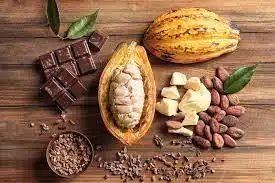
Aside from her gold, and the Black Star, Ghana’s cocoa, imported from Fernando Po (now Bioko, Equatorial Guinea) by Tetteh Quarshie in the year 1878 has served the world’s market with some of the best cocoa beans for many years. Tetteh Quarshie Tetteh Quarshie, born in 1842, is a name that is synonymous with Ghana’s cocoa industry. He was a Ghanaian blacksmith and farmer who made a significant impact on the agricultural sector with the introduction of the cocoa crop. Cocoa beans, also known as Amelonado, were not native to Ghana, but Tetteh Quarshie managed to smuggle some cocoa pods from Fernando Po (now Equatorial Guinea) to Ghana in 1876. He first planted the beans on his farm at Mampong Akuapem in the Eastern Region of Ghana, and the area soon became known for growing a lot of beans. The crop became a commercial product demanded worldwide, and by 1890, Ghana was exporting cocoa beans to Europe and America. Sadly, Tetteh Quarshie died on Christmas day in 1892, but a year after his death, the country started exporting cocoa beans to Nigeria and Sierra Leone. Today, Ghana is one of the world’s largest exporters of cocoa and has earned a reputation for producing some of the world’s best cocoa beans. From the world’s best producer to second best In the early 1960s, Ghana was the largest producer of cocoa globally, accounting for about 40 percent of the world’s cocoa production. However, by the 1980s, production had dwindled almost to the point of insignificance. The drop from an average of more than 450,000 tons per year to as low as 159,000 tons in 1983-1984 was a significant cause for concern. The period between 1983-1984 was a time characterized in Ghana’s history as an unforgettable famine. The dwindled production was attributed to aging trees, widespread disease, bad weather, and low producer prices. Bush fires also destroyed thousands of hectares of cocoa farms in 1983. To launch production, market reforms were instituted, feeder roads were built connecting the fertile yet neglected lands near the border of Ivory Coast, and the government started to focus on extending production services and increased incentives for farmers, such as sponsorship for cocoa farmers and their children, to ignite the interest of young adults. Currently, Ghana has almost a century of experience in producing the highest caliber cocoa beans, earning it a respectable reputation around the world. With an annual production of more than 1,000,000 metric tonnes of beans, the nation currently ranks second among cocoa exporters. Around 3.5% of the nation’s GDP is derived from the cash crop, and at its peak, it accounts for about 66% of the country’s foreign exchange. The Ashanti, Brong Ahafo, Central, Eastern, Western, and Volta regions, where rainfall ranges from 1000 to 500 millimeters annually, are the most prominent cocoa-producing areas. The government has implemented several measures to support the cocoa industry, and the entirely state-owned Ghana Cocoa Board, often known as Cocobod, plays a crucial role in managing the procurement, marketing, and export of all cocoa beans produced in the nation. Cocobod has subsidiaries like the Cocoa Research Institute of Ghana, Seed Production Division, Cocoa Health, and Extension Division, Quality Control Company, and Cocoa Marketing Company. Aside from the cocoa smuggled out of the country, all cocoa produced in Ghana is prized at the same rate to protect from volatile prices on the world market. Expanding other businesses Many global businesses, including Mondelez International, Cargill, ADM Company Limited, Armajaro Ltd., and Hershey, use cocoa from Ghana. Some local buyers of cocoa and product makers are Cocoa Processing Company Limited, Plot Enterprise Gh., Kumankoma Company Limited, Cere Company Ltd., and Delfi Ventures. Among locally produced chocolates gaining prominence on the international scale are Adansi Bar Chocolates, De’ Laugh Chocolates, Kabi Chocolates, 57 Chocolate and Chocoluv Chocolates, Golden Tree, Protem Pride, Protem Nut Tetteh Quarshie, Aspire, and Niche. Cote d’Ivoire –Ghana Initiative (CIGCI), a cocoa cartel widely known as COPEC, was founded by the two world’s largest producers of cocoa. The countries have joint control of 60% of global cocoa production. In conclusion, Ghana’s cocoa industry has come a long way since Tetteh Quarshie introduced cocoa to the country in the late 19th century. Despite the challenges experienced in the 1980s, the government’s support, market reforms, and increased incentives for farmers have led to a resurgence in cocoa production. Ghana’s cocoa industry is a vital contributor to the country’s economy and has earned a reputation for producing some of the world’s best cocoa beans. As a result, many businesses worldwide use cocoa from Ghana to produce their chocolates. READ NEXT ON: History of Bishop Herman College

Beyond The Face: El Anatsui

El Anatsui

El Anatsui is a world-acclaimed Ghanaian sculptor with five decades of distinguished career. His earliest works date to the 1970s with about thirty works to his name. He has over the years captivated and provoked a host of international attention and recognition. His work with sculpture and wood carving started as a hobby to keep alive the traditions he grew up with. El Anatsui artworks which are predominantly inspired by African traditional beliefs have been collected by major international museums and featured in Ghana’s first National Pavilion at the 58th Venice Biennale. He is an expert craftsman in building eye and mind-captivating works using wood, clay, metals, and caps of bottles. Some of his famous works are sculpted largely from aluminum bottle caps, these works strike a resemblance to a woven cloth like the Kente. His works have created a new narrative on how creatives can play a pivotal role in the recycling chain, turning trash into treasure. El Anatsui in an interview with October Gallery noted that “The amazing thing about working with these metallic ‘fabrics’ is that the poverty of the materials used in no way precludes the telling of rich and wonderful stories.” His artworks have simple yet striking titles like Sovereign, Freedom, Drying Line, Routes of Discovery, Gli, Peak, Broken Bridges I and II, Gravity and Grace, Ozone Layer, and National Identity Card. Life and Education El Anatsui was born in 1944 at Anyako in the Volta Region of Ghana. He was the youngest of 32 children born to his father. Anatsui was raised by his uncle after his mother died. His first exposure to art was through chalkboard lettering. The sculptor, Vincent Akwete Kofi, served as one of his early influences. After completing his elementary education in the Volta region, he gained admission into the College of Arts, Kwame Nkrumah University of Science and Technology, Ghana. He was granted an opportunity to lecture at the University of Nigeria, Nsukka where he taught as a Professor of Sculpture and subsequently became a Departmental Head of Fine and Applied Art from 1975 until his retirement in 2011. Though born and bred in Ghana, El Anatsui has lived a significant number of his life in Nigeria. He once noted that living outside his country gave him a nomadic mentality that expanded his experiences and prevented him from becoming complacent. El Anatsui has embraced a wide variety of media and addressed a vast array of social, political, and historical issues. Exhibitions Beautifully exhibited pieces of his sculptures have been installed in international museums such as the British Museum in London, the Centre Pompidou in Paris, the De Young Museum in San Francisco, the Metropolitan Museum of Art in New York, Guggenheim in Abu Dhabi, the Osaka Foundation of Culture in Japan, Museum of Modern Art in New York and many other prestigious institutions. The remarkable works of the contemporary artist have been mounted at the façade of international exhibition grounds. In the 2012 Paris Triennale, El Anatsui transformed the entire façade of Le Palais Galliera with his striking work, Broken Bridge. The artwork was also mounted at the Royal Academy of Arts in London in 2013. During the 52nd Venice Biennale in 2007, he also transformed the façade of the Palazzo Fortune by draping it in a shimmering bottle top sculpture, Fresh and Fading Memories. One of his major works, Kindred Viewpoints, also enveloped the façade of El Badi Palace during the 2016 Marrakech Biennale. He displayed his first-ever solo museum exhibition at Meyina Iziko National Gallery in Cape Town. Another solo exhibition includes Gravity and Grace: Monumental Works. This was a touring solo exhibition installed at the Brooklyn Museum in New York, Akron Art Museum in Ohio, Des Moines Art Center in Iowa, and the Bass Museum of Art in Miami, Florida. In 2010, two major touring shows of his work opened on opposite sides of the world. One was his work, El Anatsui: When I Last Wrote to You About Africa, which opened at the Royal Ontario Museum. The second piece was A Fateful Journey: Africa in the Works of El Anatsui at the National Museum of Ethnology in Osaka, Japan. In 2015, a comprehensive survey spanning the last fifty years of Anatsui’s career was celebrated at the premiering of The School (Jack Shainman) with a solo exhibition of the work of El Anatsui in Kinderhook, New York, tagged Five Decades. In 2019, the largest survey exhibition of El Anatsui’s oeuvre, Triumphant Scale, was presented at the Haus der Kunst, Munich Germany. El Anatsui has collaborated with globally recognized artists like Factum Arte, Ablade Glover, Chika Okeke-Agulu, Ozwald Boateng, and Okwui Enwevor. Awards In 1990, he won the Public Prize at the 7th Annual Triennale der Kleinplastik. In 1995, he swooped the Kansai Telecasting Prize at the 6th Osaka Sculpture Triennial. In 1998, the Bronze Prize was awarded to him on the 9th Osaka Sculpture Triennial. In 2008, he was awarded the Visionaries Award at the Museum of Arts and Design (MAD). El Anatsui also received the Prince Claus Award in 2009. Another notable award was the Golden Lion for Lifetime Award by the Venice biennale to acknowledge his artistic contribution to the world 2015. The Royal Academy of Arts, London, also presented the artist with the prestigious Charles Wollaston Award for his work, TSIATSIA – searching for connection, 2013. In 2014, El Anatsui was made an Honorary Royal Academician by London’s Royal Academy, having become the First African Artist appointed to this status. In 2016, he received an Honorary Doctorate from Harvard University and he is also an International Honorary Member of the American Academy of Arts and Sciences. In 2017, he was honored with the Praemium Imperiale Award for Sculpture, by the Japan Art Association, Tokyo, Japan. Impact El Anatsui has been a pivotal figure in the contemporary African art scene, and his work has inspired and influenced a generation of artists who create their own sculptures using similar techniques and materials. These include