History of Television Broadcasting in Ghana

Television Broadcasting in Ghana

In the past, the government controlled television broadcasting in Ghana. The Ghana Broadcasting Corporation was the only one allowed to broadcast until 1994. This continued even after the government changed in 1992 to a more democratic one. The new constitution created the National Media Commission to make sure the media stayed independent. After Kwame Nkrumah was removed from power in 1966, the new government, called the National Liberation Council, had a tight grip on the country’s media. The Ghana Broadcasting Corporation then announced a rule. They said they would broadcast programs about culture, education, information, and entertainment. These programs would show the progress and dreams of the nation. They would also broadcast in Ghanaian languages and English. In 2007, there were seven broadcast stations in Ghana. The Ghana Broadcasting Corporation was still there, and now there were also four private channels: TV3, Metro TV, Viasat 1, TV Skyy, and TV Africa. TV3 and Metro TV started airing programs in 1997. People in Ghana could also watch foreign stations like CNN and BBC. Now, people in Ghana have more choices for TV channels. The government doesn’t control everything, and there are private channels offering different programs. This change happened over the years, starting from when the National Media Commission was created in 1992. The goal was to make sure the media in Ghana is free and independent. So, if you are in Ghana, you can enjoy a variety of programs in different languages and get information from local and international channels. It’s a way for people to stay connected and entertained with what’s happening around them and in the world. Click HERE to see list of TV stations in Ghana READ NEXT ON: History of Radio in Ghana LATEST POSTS:

Ghanaian Cuisine: Yoroyoro

Yoroyoro

Yoroyoro, a delectable local dish, enjoys widespread popularity across Dagbon and various regions in Northern Ghana. The preparation involves boiling maize until it reaches a softened consistency. This delightful food is typically enjoyed with a savory combination of pepper and onions. Don’t miss the chance to savor this local treasure – a true reflection of the region’s culinary excellence. Give it a try and embark on a flavorful journey that captures the essence of Northern Ghana’s unique and delicious cuisine. READ NEXT ON: Ghanaian Cuisine: Attiéké or Akyeke LATEST POSTS:

History of the Ewe People

Ewe People

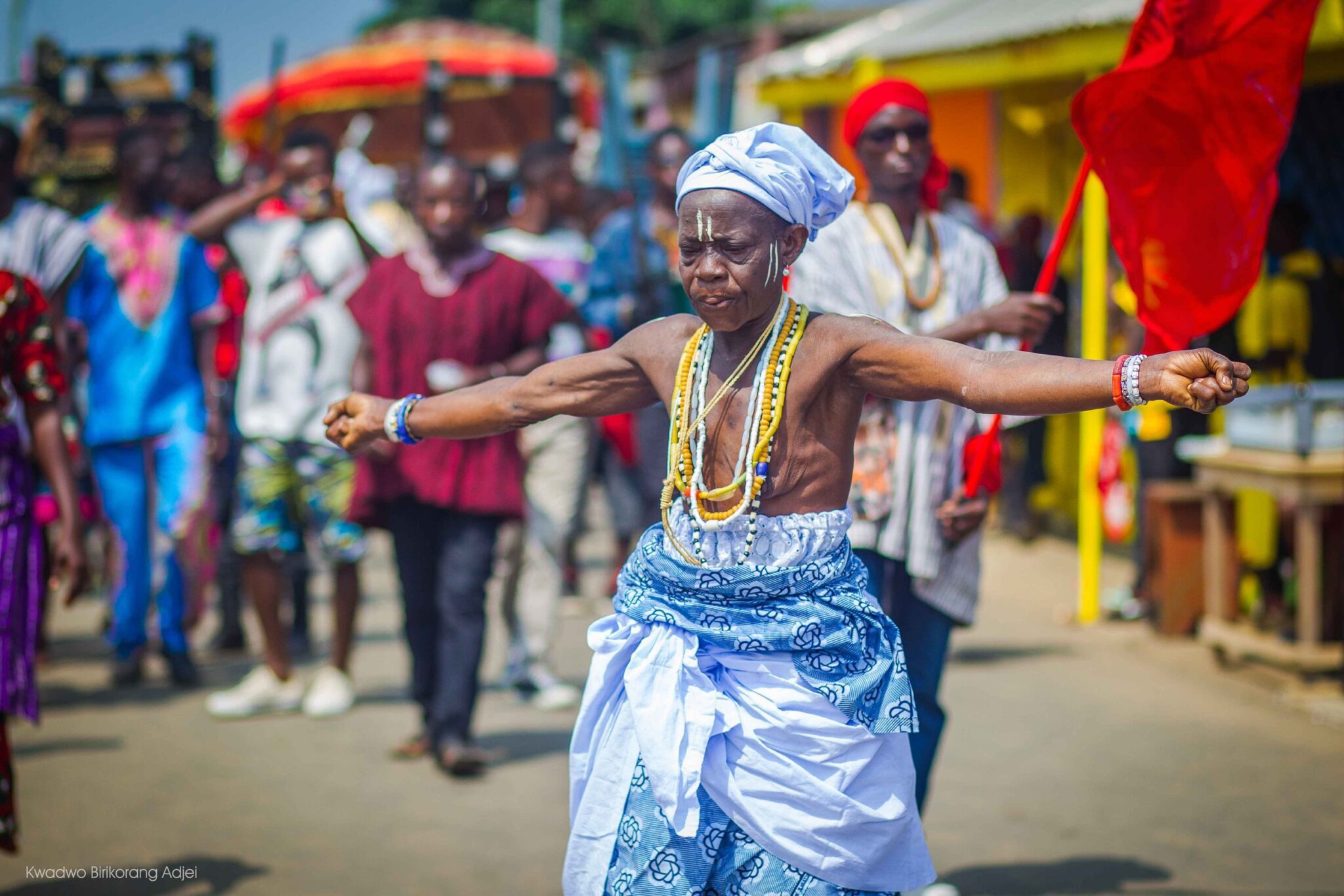
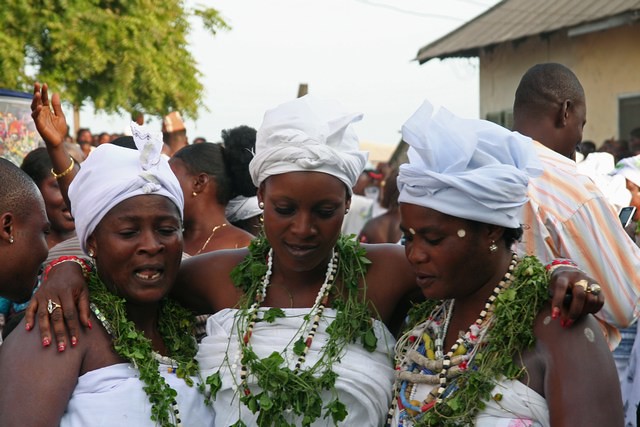
The Ewe people, known as EÊ‹eawó in their native language, form a vibrant Gbe-speaking ethnic group whose cultural tapestry stretches across the coastal regions of West Africa. With the largest population in Ghana, numbering around 6.0 million, and the second largest in Togo, with approximately 3.1 million, the Ewe people have a rich heritage that ties them to various Gbe-speaking communities, including the Fon, Gen, Phla Phera, Gun, Maxi, and the Aja people of Togo, Benin, and southwestern Nigeria. Language and Connection At the heart of their identity is the Ewe language (Ewe: EÊ‹egbe), a member of the Gbe family of languages. This linguistic connection binds them closely with other Gbe speakers, creating a cultural bridge that extends beyond geographical boundaries. Their linguistic ties link them with communities such as the Fon, Gen, Phla Phera, Gun, Maxi, and the Aja people, forming a mosaic of shared linguistic and cultural elements. Demographic Spread Geographically, the Ewe people are primarily situated in the coastal regions of West Africa, ranging from the area south and east of the Volta River to the Mono River at the border of Togo and Benin. Additionally, they have a significant presence in the southwestern part of Nigeria, close to the Atlantic Ocean. Key concentrations of the Ewe population are observed in the Volta Region in southeastern Ghana, southern Togo, and the southwestern part of Benin. A smaller population resides in the southwestern region of Nigeria, mainly settled in Badagry. Diverse Groups within Ewe The Ewe community is not homogenous; it comprises several groups distinguished by dialectical variations and geographic concentrations. Notable subgroups include the Anlo Ewe, Ʋedome (Danyi), and Tongu or Tɔŋu. Within this diverse landscape, the Anlo sub-branch holds prominence, serving as the literary language that preserves the cultural and historical narratives of the Ewe people. Roots and Migrations The historical roots of the Ewe people are intertwined with migrations and cultural evolution. Formerly known as the Dogbo, their ancient history remains unrecorded. Oral traditions hint at a migration from a place named Ketu or Amedzofe (Amejofe), currently located in the Republic of Benin near the border between Benin and Nigeria. The 17th century witnessed invasions and wars that prompted the Ewe people to migrate from their original locations to their present homelands. Archaeological evidence sheds light on their presence in the region, suggesting a dynamic existence dating back to at least the 13th century. However, this period was not without turmoil, particularly during the rule of Yoruba warriors from the Oyo Empire. The oral tradition recounts the reign of the formidable King AgÉ” AkÉ”li (or Agor Akorli) of Notsie, a walled town in Togo, in the 17th century. King Agor Akorli’s high-handed rule led to the escape and dispersal of the Ewe people to their current locations. Shared History with Gbe Speakers The Ewe people share a historical connection with speakers of Gbe languages. These communities occupied the region between Akan land and Yorubaland, leading some historians to attempt ties with both Akan and Yoruba ethnic groups. However, contemporary studies assert that the Ewe people are distinct ethnic entities, influenced by but not belonging to either Akan or Yoruba cultures. Relations with Europeans and Colonial Era Before the slave trade and colonial era, the Ewe people maintained positive relations with Europeans. However, in 1784, conflicts arose with Danish colonial interests as Denmark sought to establish coastal forts in Ewe and Yoruba regions for its officials and merchants. Situated between powerful slave-trading kingdoms such as the Asante, Dahomey, and Oyo, the Ewes experienced the dual fate of being victims of slave raiding and trade while also engaging in the sale of war captives to European powers. Post-Slavery Prosperity and Colonial Division With the abolition of slavery and the cessation of the slave trade, the Ewe people flourished in their major economic activities. These included cotton and rice farming, palm oil and copra production, and exports. However, their region became a geopolitical chessboard, divided between colonial powers. Initially shared between German and British colonies, the territories underwent further division after World War I. The British and a British-French joint protectorate administered the area. Post-World War I, British Togoland and French Togoland emerged, later renamed Trans Volta Togoland and Togo, respectively. Trans Volta Togoland eventually voted in a United Nations-supervised plebiscite to join the newly independent Ghana. On April 27, 1960, French Togoland became the Republic of Togo, gaining independence from France. Unification Efforts and Contemporary Challenges Throughout the colonial and post-colonial periods, efforts have been made to consolidate the Ewe people into a unified country. Many post-colonial leaders have occasionally supported their cause, but none have succeeded in achieving this unification. READ NEXT ON: History of the Ga-Adangbe People

Black Stars made a vibrant entrance in Ivory Coast, adorned in bold Kente

Black Stars

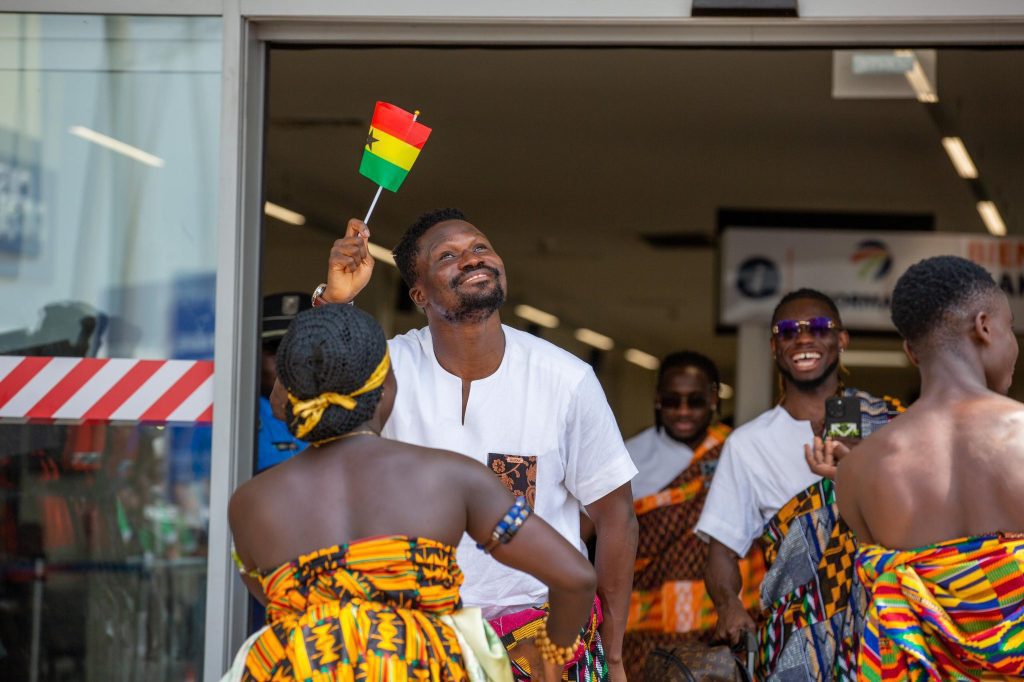
The Black Stars made a big entrance in Ivory Coast for the 2023 Africa Cup of Nations (AFCON), and it was really special. They showed off Ghana’s cool culture by wearing colorful Kente cloths. When they arrived at the airport, it turned into a happy party! There was a group doing traditional dances, and they welcomed the team with lots of excitement. The players didn’t just stand there – they joined in the fun and danced with the local performers. Before leaving Ghana, the players were already looking sharp in stylish Kaftans. But when they got to Ivory Coast, they added something extra to their outfits – they wrapped themselves in bright and meaningful Kente cloths. It made them look even more awesome and showed off a bit of Ghana’s culture. Let’s talk about Kente. It’s a special kind of cloth from Ghana made by weaving together strips of silk and cotton. A long time ago, important people like kings and queens among the Ewe and Akan would wear it like a fancy outfit. They say it all started in a place called Bonwire in the Ashanti region of Ghana. Nowadays, people in Ghana wear Kente for big celebrations, and everyone wants the ones made by the best weavers. People in other places like Togo and Ivory Coast, where the Ewe and Akan live, also like to wear Kente. It’s so cool that Kente patterns are famous, and you can find them all over West Africa and even in other parts of Africa. People like them so much that they use the patterns on special clothes for important events, like when students graduate. So, when the Black Stars wrapped themselves in Kente in Ivory Coast, it wasn’t just about looking good – it was like saying, “Hey, Ghana is here, and we’re proud of our awesome culture!” It made everyone smile and made the arrival at AFCON feel even more exciting. READ NEXT ON : History of Radio in Ghana

Ghanaian Cuisine: Attiéké or Akyeke

Akyeke

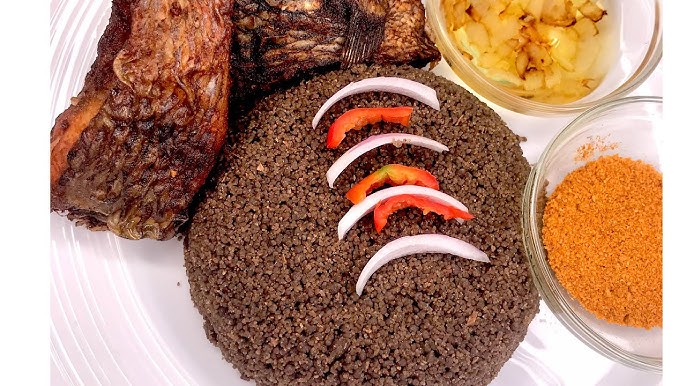
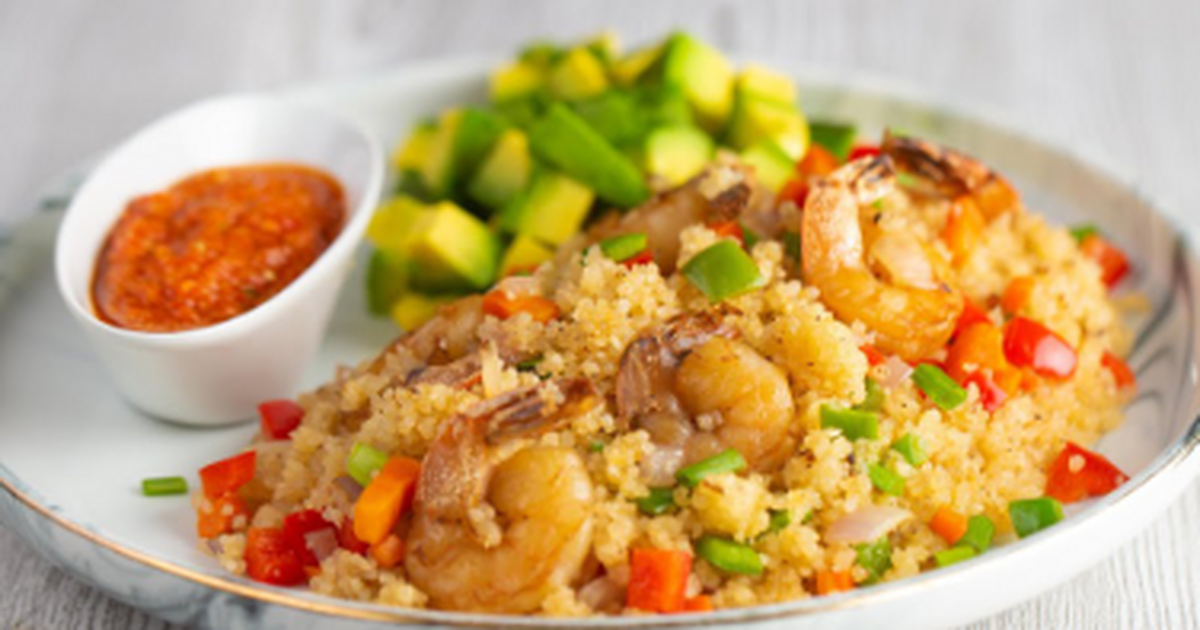
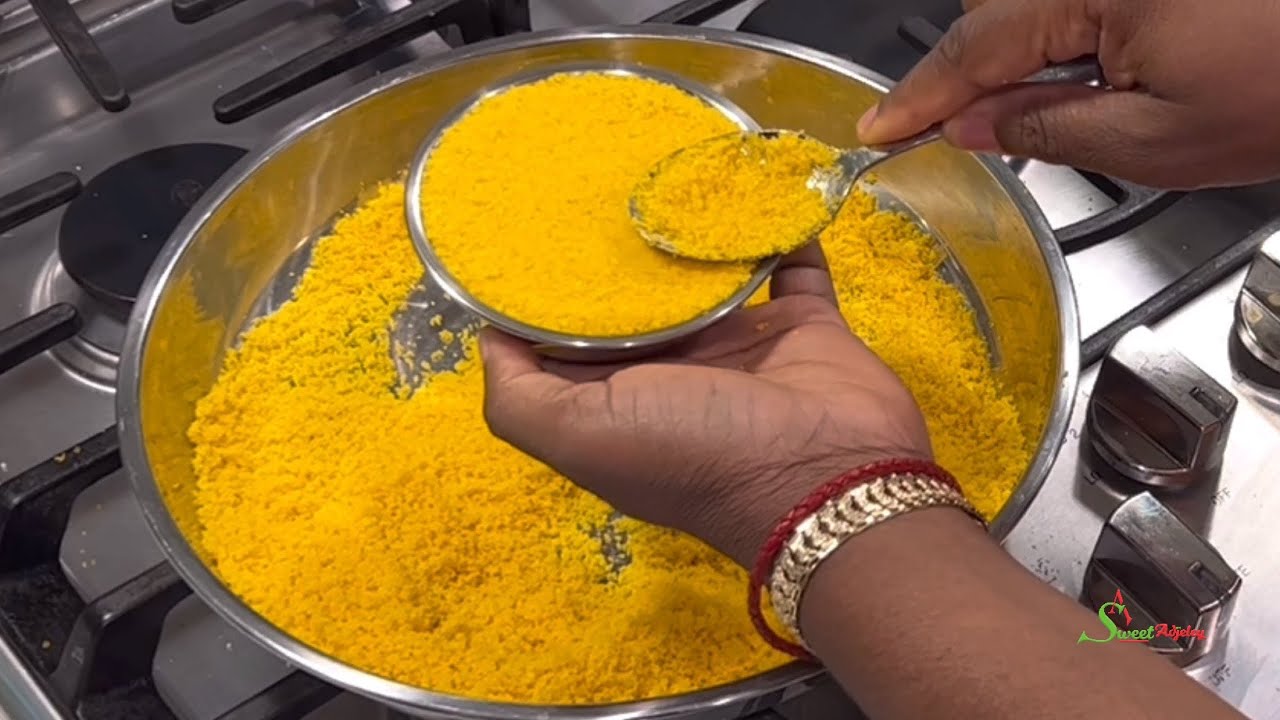
Attiéké, also known as Akyeke in Ghana, is a delectable dish crafted from cassava, beloved among the Ahanta, Nzema, and Akan-speaking communities in Ivory Coast. In Ghana, it goes by the name Akyeke and is traditionally paired with various fish proteins. This dish boasts a unique preparation method, involving fermented cassava pulp grated to achieve a texture akin to couscous. Here’s a simple and delightful recipe for preparing Akyeke: Ingredients: Method: This straightforward recipe ensures a savory and textured attieke dish that can be enjoyed on its own or paired with your favorite fish protein. Explore the culinary wonders of attieke with this easy-to-follow guide. READ NEXT ON: Ghanaian Cuisine: Kpokpoi

History of Radio in Ghana

History of Radio in Ghana

Here is History of Radio in Ghana. Radio made its debut in the Gold Coast back in 1935 when the colonial governor established ZOY, a small wired relay station transmitting BBC programs to about three hundred colonial residents and privileged native elites. This broadcast service was later extended to Kumasi, Sekondi, Koforidua, and Cape Coast. Beyond offering information and entertainment, British radio served as a means to counter the nationalist press’s anti-colonial campaigns. Following independence in 1957, the Gold Coast Broadcasting System was formed, eventually transforming into the Ghana Broadcast Corporation (GBC). GBC initiated two domestic radio services, Radio 1 and Radio 2, broadcasting from Accra. Radio 1 primarily featured local-language programs, spanning Akan, Ga, Ewe, Nzema, Dagbani, Hausa, and English. Meanwhile, Radio 2 broadcasted exclusively in English. Both stations operated for 15 and one-fifth hours on weekdays and 17 and a half hours on weekends. However, the wireless Radio 3 was discontinued due to resource constraints. In 1986, GBC expanded its broadcasting spectrum to VHF-FM in the Accra-Tema metropolitan area, supported by the German government. This expansion continued as GBC introduced new FM stations across Ghana’s regions and districts throughout the late 1980s and early 1990s. Stations like Radio GAR in Accra, Garden City Radio in Kumasi, Twin City FM in Sekondi-Takoradi, and Volta Star Radio in Ho emerged. Ghana boasted around 2.5 million wireless sets and over 64,000 wired loudspeaker boxes during this period. In 1961, Ghana launched Radio Ghana’s External Service, broadcasting information, propaganda, and messages of solidarity to liberation movements across Africa. The service transmitted programs in Arabic, English, French, Hausa, Portuguese, and Swahili. Presently, the system relies on four 100-kilowatt transmitters in Tema, along with two 250-kilowatt transmitters in Ejura, Ashanti Region, reaching beyond Africa to North America, Europe, Japan, and Australia. The External Service experienced a hiatus after the 1981 coup due to technical and financial issues, resuming in 1987. Despite expectations following the 1992 Constitution for airwave liberalization, the Rawlings government retained radio monopoly with the state-owned GBC, refraining from granting licenses or allocating frequencies to private radio stations until the mid-nineties. In 1994, opposition figure Charles Wereko-Brobby protested this policy through pirate broadcasts on Radio Eye, leading to government pressure, equipment confiscation, and criminal prosecution attempts. However, this action catalyzed the eventual allowance of private FM stations. The government began issuing licenses and frequencies in 1995 via the Frequency Registration and Control Board, starting with Radio Univers, a college station from the University of Ghana at Legon. This move paved the way for other media outlets. Subsequently, the first private radio station to exclusively broadcast in a Ghanaian language, Twi, emerged. Radio licenses are granted for seven years upon payment of an initial fee of $5,500, accompanied by an annual broadcast fee. This fee supports the Copyright Society of Ghana, remunerating artists and musicians. READ NEXT ON: History of the Ga-Adangbe People

Ghanaian Cuisine: Kpokpoi

Kpokpoi

Kpekple, also known as kpokpoi, stands as a cherished dish among the Gas of Ghana, typically relished during the Homowo festival—an event signifying the “hoot at hunger.” This delightful meal incorporates steamed and fermented cornmeal, complemented by palm nut soup and smoked fish, creating a distinct and flavorful culinary experience. During the festivities, the chief often sprinkles kpekple, symbolizing an offering to please the ancestors. Ingredients for Kpokpoi How to Prepare Kpokpoi Embrace the rich flavors and cultural significance of Kpokpoi, a cherished culinary delight steeped in tradition and enjoyed during festive celebrations!Image Credit: Sweet Adjeley READ NEXT ON: Ghanaian Cuisine: Shito

History of the Ga-Adangbe People

Ga-Adangbe People

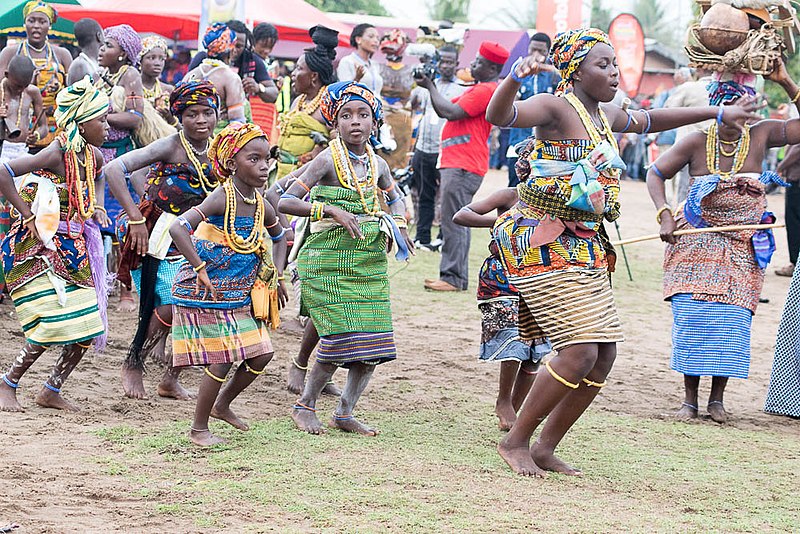
The Ga-Adangbe people, also known as Ga-Dangme/ Ga-Dangbe, represent an ethnic group found across Ghana, Togo, and Benin. Within the Ga-Dangme ethnolinguistic group, the Ga and Dangbe people constitute distinct subgroups. The Ga-Dangmes predominantly reside in Ghana’s Greater Accra region. The Ga people commonly carry surnames such as Nikoi, Amon, Kotey, Adei, Kutorkor, Oblitey, Lartey, Nortey, Aryee, Poku, and Lamptey, while Dangme surnames include Nartey, Tetteh, Kwei, Kweinor, Kwetey, Narteh, Narh, Dugbatey, Teye, Martey, Addo, Siaw, Saki, Amanor, and Djangba. This ethnolinguistic group’s historical journey traces back to the leadership of King Ayi Kushi (Cush) during the 16th century, steering them to Accra, which later became Ghana’s capital. Initially organized into six autonomous towns—Accra (Ga Mashie), Osu, La, Teshie, Nungua, and Tema—each with its stool of cultural and ritual significance, Accra emerged as a prominent Ga-Dangme town and the nation’s capital. The Ga-Dangme’s primary occupations have evolved from farming to fishing and trade in imported goods, mainly managed by women. Gender influences inheritance and property rights, with matrilineal succession for women and patrilineal descent for men. The Ga-Dangme community celebrates various annual town festivals and harbors a diverse array of gods and cults within each town. Further, the Dangme people occupy the coastal region spanning from Kpone to Ada along the Volta River and the South Atlantic Ocean. Notably, they speak Dangbe, a language closely related to Ga. The Dangme population holds substantial land in the Greater Accra, Eastern, and Volta regions of Ghana, as well as in the southern part of Togo. Their occupations revolve around fishing, trading, and farming, primarily through the Huza system—a form of capitalism established by group property ownership. Traditional crops like millet have been replaced by cassava, yams, maize, plantain, cocoa, and palm oil. Lineage members participate in annual lineage god festivals, marking their return to the traditional lineage home from Huza farms. The Ga-Dangbe people’s linguistic heritage comprises the Kwa languages—Ga and Dangme—reflecting a patrilineal kinship structure. Their cultural tapestry is interwoven with vibrant festivals like the Ga’s Homowo and Dangbe’s Asafotu, Asafotufiam, and Ngmayem, each encapsulating unique customs and traditions. Music and sports, particularly boxing, are integral to their cultural heritage. Ga-Dangbe music encompasses drumming, dancing, and traditional music styles like kpanlogo. Notable boxers hail from the fishing community of Bukom, which is revered as the boxing hub in Ghana. Rites of passage include the Dipo ceremony for the Shai and Krobo people, while funeral customs among the Ga involve the creation of fantasy coffins symbolizing the deceased’s profession or status. These coffins, intricately designed by skilled craftsmen, aim to honor the deceased by reflecting their life achievements or social standing, constituting a significant part of Ga funeral culture. Artisans like Ataa Oko and Seth Kane Kwei pioneered the creation of these symbolic coffins in the 1950s, emphasizing the Ga belief in life after death. The practice signifies respect for the departed and an attempt to sustain their earthly professions in the afterlife. This cultural phenomenon showcases an intricate blend of traditional beliefs, artistic expression, and the social significance of honoring the departed. The enduring tradition continues through the craftsmanship of contemporary coffin makers such as Cedi, Eric Adjetey Anang, Paa Joe, Daniel Mensah, and Kudjoe Affutu. Throughout the ages, the Ga-Dangbe community has preserved its rich cultural heritage, contributing significantly to Ghana’s cultural tapestry and beyond. NOTABLE GA-ADANGBE PEOPLE READ NEXT ON: The Political Structure of the Ga People

The Political Structure of the Ga People

Political Structure

The Ga people’s political structure is organized into six independent sub-states, known as the traditional areas of Gamashie, Osu, La, Teshie, Nungua, and Tema. Each of these areas encompasses various villages in their hinterland, sharing names with their corresponding capital towns. The Mantsemei, or Kings, of these capital towns hold equal and independent status. Clans within villages and towns are distinguished by names, member names, and specific religious affiliations and rituals. In each village or town, there is a Mantse or chief under the Mantse of the corresponding traditional area, who is in turn the Mantse of the capital town. Clans, representing patrilineal or matrilineal relations, are further divided into families, and families are subdivided into ‘houses,’ consisting of individuals with a common and closest ancestral origin. A person may belong to two traditional areas, two clans, two families, and two houses concurrently, one by way of their father and the other through their mother. Each house and family is overseen by a wise elder, typically the oldest capable member. Female elders lead female members, while male elders head the male members, and additionally, oversee the houses and families as a whole. When an elder becomes frail due to age, a consensus appoints another to act as head, a practice known as “shuonotamo” (sitting on the lap of the elderly and wise). The selection of the clan head is based on merit, rather than age. When the need arises for a new clan head, the heads of the various houses and families within that clan assemble to compile a list of eligible candidates chosen by merit, based on lifelong observations. This list is presented to an electoral college, including the heads of various clans, professional groups like the head of farming (Okwaafoiatse), and the head of fishing (Woleiatse), as well as the chief priest (Wulomo) and clan captains (asafoiatsemei and asafoianyemei). This same council aids the Mantse in governing the town or village. The clan head is selected by consensus from the list in secrecy to prevent competition and petty rivalries. The chosen clan head is then ceremonially presented to the people of the town or village, where he swears an oath of allegiance to the ruling college and the Mantse. The selection process for a Mantse closely resembles that of the clan head. The royal clan, comprised of several houses, takes turns providing Mantsemei. When the responsibility falls on a specific royal house, it is their duty to present a list of candidates chosen by merit to the clan head, who then forwards the names to the electoral college. The Mantse is selected by consensus, and a date is set for the ceremonial presentation, where he swears an oath of allegiance to the electoral college and they, in turn, pledge allegiance to him individually. Just as clans united to form towns, villages, and traditional areas for a more secure civilized life, the independent traditional areas came together to constitute the Ga State. The Gamashie Mantse was chosen as the first among equals to preside over the meetings of the Ga State Council, which consists of the Mantsemei of the capital towns of the traditional areas. The Nai wulomo serves as the speaker of the Ga State Council. READ NEXT ON: Background & History of Kpanlogo

Ghanaian Cuisine: Shito

Shito

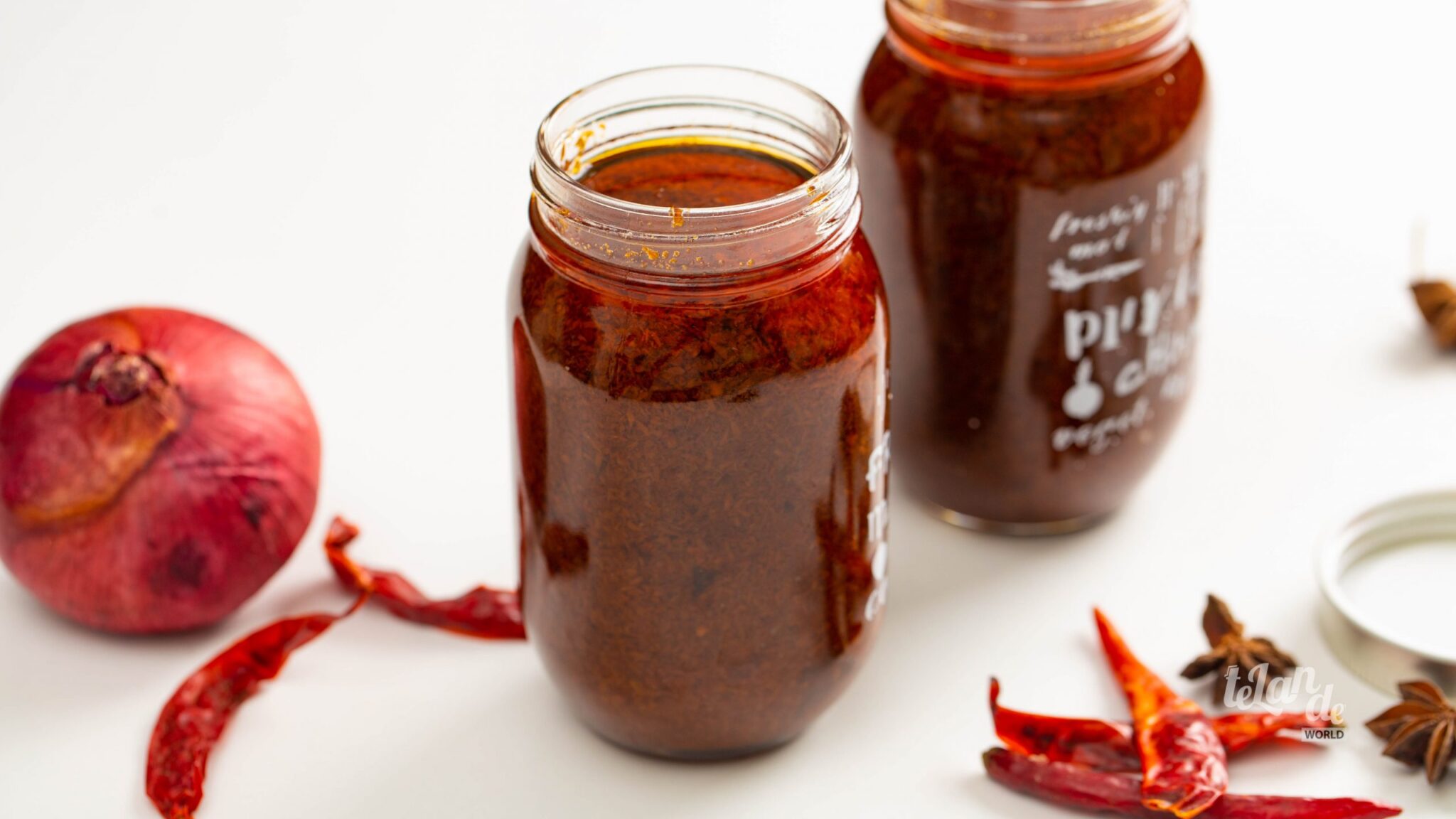
Shito, also known as ‘black pepper’ in the Ga language, is a popular spicy black pepper sauce in Ghanaian cuisine. This zesty sauce is made from ingredients like fish or vegetable oil, ginger, dried fish, prawns, tomatoes, garlic, peppers, and various spices. These ingredients are blended and cooked in vegetable or corn oil for a little over an hour to create the sauce. While the specific spices and types of fish can vary by region and village, the original recipe is credited to the Ga tribe. In Ghana, this zesty sauce is enjoyed with a variety of dishes such as kenkey, steamed rice, garri, waakye (rice and beans), and banku. It’s versatile and can be used like a local ketchup, hot sauce, or chili oil. Some people even eat shito with white bread or spring rolls. Interestingly, in many Chinese restaurants in Ghana, shito is used instead of layou as a condiment for fried or steamed rice. There’s also a ground version of shito that doesn’t always use black pepper and can be made without oil. This type includes fresh pepper, onions, tomatoes, and a bit of salt, all mashed together in a special earthenware bowl called an ‘asanka,’ using a pestle shaped like an hourglass. The resulting sauce can be either red (‘shitor tsulu’) or green (‘kpakpo shito’), depending on the color of the pepper used. It goes well with banku, akple, gari, kenkey, and steamed rice. READ NEXT ON: Ghanaian Cuisine: Konkonte