
9 Case Studies of Successful Influencer Marketing Campaigns

Case Studies

In recent years, influencer marketing has proven to be a powerful tool for brands to reach and engage with their target audience. Many successful influencer marketing campaigns have achieved remarkable results, leveraging the influence and authenticity of influencers to drive brand awareness, increase sales, and foster brand loyalty. Let’s explore some notable case studies of successful influencer marketing campaigns: Daniel Wellington’s Instagram Campaign Daniel Wellington, a Swedish watch brand, collaborated with numerous fashion and lifestyle influencers on Instagram to promote their minimalist watches. By gifting influencers with their products and encouraging them to share their unique discount codes, Daniel Wellington effectively reached their target audience and generated a significant buzz on social media. The campaign’s success was attributed to the brand’s strategic selection of influencers whose aesthetics aligned with the brand’s image, resulting in a 215% increase in revenue within one year. Glossier’s User-Generated Content (UGC) Campaign Glossier, a beauty brand known for its cult-like following, tapped into the power of user-generated content to drive engagement and build a community. They encouraged their customers to share their experiences with Glossier products using the hashtag #glossier. By featuring UGC on their website and social media platforms, Glossier created a sense of authenticity and inclusivity. This campaign not only boosted brand loyalty but also led to a significant increase in sales and brand recognition. Coca-Cola’s Share a Coke Campaign Coca-Cola’s “Share a Coke” campaign was a global phenomenon that leveraged personalization and social media to connect with consumers. The brand replaced their logo on Coca-Cola bottles with popular names and encouraged consumers to share photos of themselves with their personalized bottles using the hashtag #shareacoke. Influencers played a vital role in amplifying the campaign’s reach by sharing their personalized bottles and engaging their followers. The campaign resulted in increased sales, social media engagement, and millions of user-generated content posts. Airbnb’s #LiveThere Campaign Airbnb partnered with various travel influencers to launch the #LiveThere campaign, aiming to inspire travelers to experience destinations like a local rather than a tourist. Influencers shared their unique travel experiences and highlighted Airbnb accommodations through stunning visuals and compelling stories. The campaign successfully positioned Airbnb as a platform that offers authentic travel experiences, leading to increased bookings and brand awareness. Nike’s Equality Campaign Nike’s “Equality” campaign focused on promoting diversity and inclusion. The brand collaborated with renowned athletes and influencers, including Serena Williams and LeBron James, to spread the message of equality through powerful video content. The campaign resonated with audiences and sparked conversations about social issues. Nike’s bold approach not only strengthened their brand’s association with social causes but also resulted in increased brand loyalty and positive sentiment. Old Spice’s “The Man Your Man Could Smell Like” Campaign Old Spice’s humorous and memorable campaign featuring actor Isaiah Mustafa became an instant hit. The brand utilized Mustafa’s charm and wit to create engaging video content that went viral. The campaign’s success was attributed to its humor, shareability, and memorable catchphrases, positioning Old Spice as a fresh and modern brand. The campaign led to a significant increase in sales and brand recognition. Apple’s Shot on iPhone Campaign Apple’s “Shot on iPhone” campaign showcased the capabilities of the iPhone camera through stunning user-generated photography. The brand encouraged iPhone users to share their best shots taken with their iPhones using the hashtag #ShotoniPhone. Apple selected and featured the most exceptional photos on billboards, print ads, and social media platforms, giving credit to the photographers. This campaign not only highlighted the quality of the iPhone camera but also celebrated the creativity of its users. The campaign generated widespread user engagement, viral sharing, and a sense of community among iPhone users. It further solidified Apple’s position as a leader in smartphone technology and photography. Adidas Originals’ #OriginalSuperstar Campaign Adidas Originals partnered with influential social media personalities and creative artists to launch the #OriginalSuperstar campaign. The campaign aimed to reinvent the brand’s iconic Superstar sneaker and target a younger, fashion-forward audience. Influencers shared their unique interpretations of the Superstar sneaker through visually captivating and creative content on social media. This approach allowed Adidas Originals to tap into the influencers’ loyal followers and reach a broader audience. The campaign successfully generated hype, increased brand engagement, and boosted sales of the Superstar sneaker. Starbucks’ #RedCupContest Campaign Starbucks’ annual #RedCupContest is a highly anticipated influencer-driven campaign during the holiday season. Starbucks encouraged customers to share photos of their festive holiday-themed drinks in the iconic red cups using the hashtag #RedCupContest. The brand collaborated with influential social media personalities and content creators to generate buzz and inspire user participation. The campaign created a sense of excitement and community, as people eagerly shared their holiday traditions and favorite Starbucks drinks. The #RedCupContest campaign contributed to increased social media engagement, brand loyalty, and seasonal sales for Starbucks. These case studies highlight the diverse strategies and approaches that brands have taken to leverage influencer marketing successfully. Whether through strategic collaborations, user-generated content, personalization, or social causes, influencers have played a pivotal role in driving brand awareness, engagement, and conversions for these brands. By understanding their target audience, selecting the right influencers, and creating compelling campaigns, brands can unlock the full potential of influencer marketing in achieving their marketing objectives. READ NEXT ON: Future of Influencer Marketing in Digital Marketing

History of the Frafra People

Frafra People

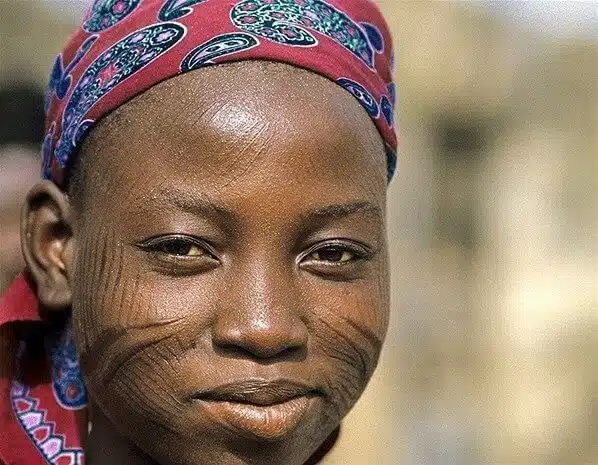
The Frafra people are a distinct subset of the Gurunsi ethnic group who reside primarily in the Upper East Region of Ghana. They are also found in southern Burkina Faso, sharing similar cultural practices, language, and background. However, it is important to note that the Frafra encompass four distinct groups: Gurensi, Talensi, Nabdam, and Kusasi, each with their own linguistic variations and specific characteristics. While the term “Frafra” is often used as a general term to refer to these groups collectively, they are distinguishable entities with their own unique identities. The Frafra region is predominantly rural, with the majority of the population engaged in agricultural activities as their primary means of sustenance. Farming plays a central role in their livelihoods, reflecting their strong connection to the land and natural resources of the region. The name “Frafra” originated from a traditional greeting commonly used among the people. The greeting involves shouting the phrase “furra furra” while clapping hands, which has become synonymous with the Frafra identity and cultural expression. The Frafra people share a common history, language, and political structure, but their experiences and development have diverged from their northern neighbors, such as the Nuna, Bwa, and Winiama, due to the influence of different colonial systems. In the precolonial era, the Frafra were organized in a decentralized manner, with lineage-based social structures and minimal centralized authority. However, the introduction of colonial governance led to the establishment of chiefs and centralized political systems in certain areas. Migration has been a significant aspect of the Frafra people’s recent history. Various factors have contributed to population movement, including population growth, adverse environmental conditions, economic pressures, and cultural practices. Population growth has led to increased competition for limited resources, particularly viable farmland. The region’s landscape, characterized by rocky terrain and susceptibility to flooding, has further exacerbated the scarcity of suitable land for farming and habitation. As a result, many Frafra individuals and families have migrated to other areas in search of better agricultural prospects and economic opportunities. High bridal prices have also driven some men to seek work outside their communities to secure the necessary resources for marriage. Migration, in some cases, is considered a demonstration of maturity and masculinity, while for the youth, venturing into new territories is seen as a rite of passage and an opportunity to earn respect. Other unforeseen factors, such as the infestation of Oncho flies in the Bongo region, have also compelled farmers to relocate. READ NEXT ON: History of the Bono People

How to survive and thrive in these difficult economic times

Survive

Many of us have had a difficult financial year in 2022. Some argue that the high number of home mortgage defaults and foreclosures, rising unemployment rates, declining stock market prices and home values, multiple banks and investment firm failures, a credit crunch, and increased costs for necessities such as food, heating oil, and gasoline have resulted in a “perfect tornado.” What are your options? Protect yourself and take financial precautions, just as you would in the event of a true tornado. The following are 5 “tried and true” financial planning and investment recommendations that can be used at any time, but especially now, to help you survive and thrive in today’s difficult economic climate. 5 “Tried and True” Tips To Help You Survive And Thrive Learning how to live frugally can help you get by during this difficult economic period. READ NEXT ON: Time management and productivity tips

ROAD USER LAWS 101: 5 Traffic Crimes relating to Zebra Crossings

Zebra Crossing

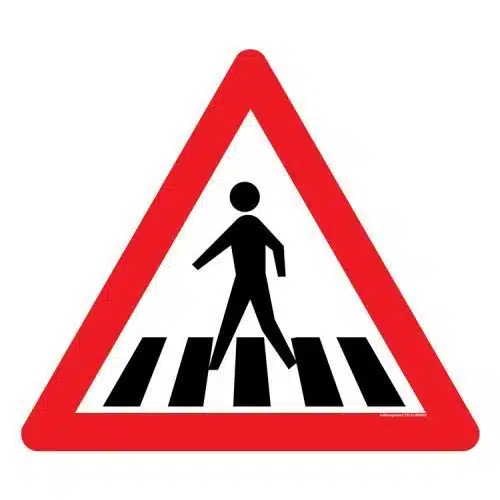
A Zebra Crossing is a type of pedestrian crossing. Pedestrian is derived from the Latin word ‘foot’. It describes people utilizing the street by walking or running as long as they are not traveling in a vehicle, motorcycle, or bicycle. In Ghana, pedestrian crossing popularly called ‘Zebra Crossing’ is defined as a marked section of a road where pedestrians can cross the road safely designated by appropriate road traffic signs. Laws that govern pedestrian usage of roads began with the promulgation of the Kansas City ordinance in 1912. The first legislation in Ghana to directly mention pedestrian crossing was the Road Traffic Offences Regulation, 1974 (LI 952). Currently, Road Traffic Regulation, 2012 (LI 2180) governs pedestrian crossing. Zebra Crossings Regulations Always remember that the pedestrian has the right of way over an approaching motor vehicle at the pedestrian crossing. Also, 1 penalty point equals GHc 12.00. READ NEXT ON: Meditation and mindfulness practices