Celebrating 6 Years of Impact
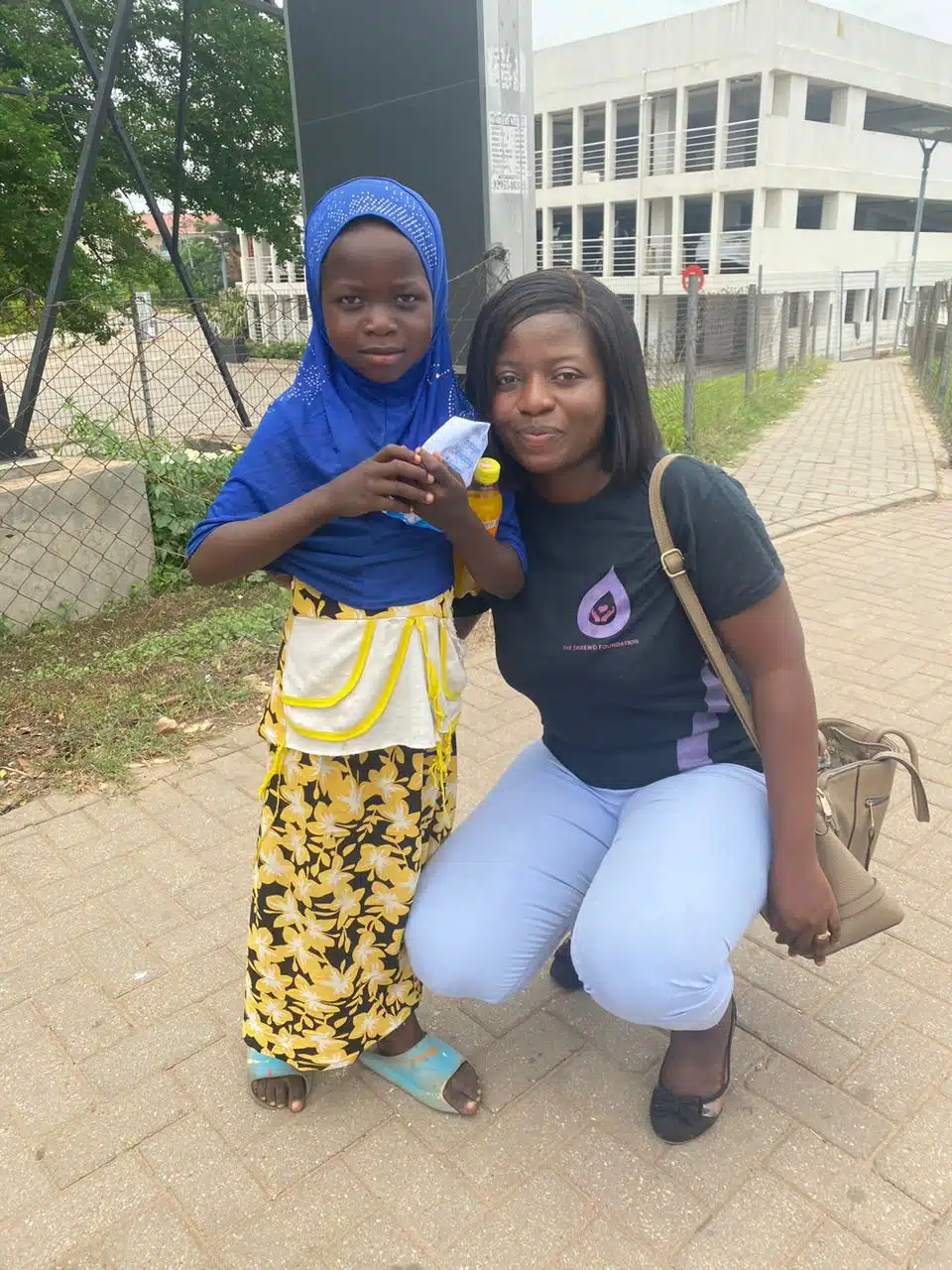
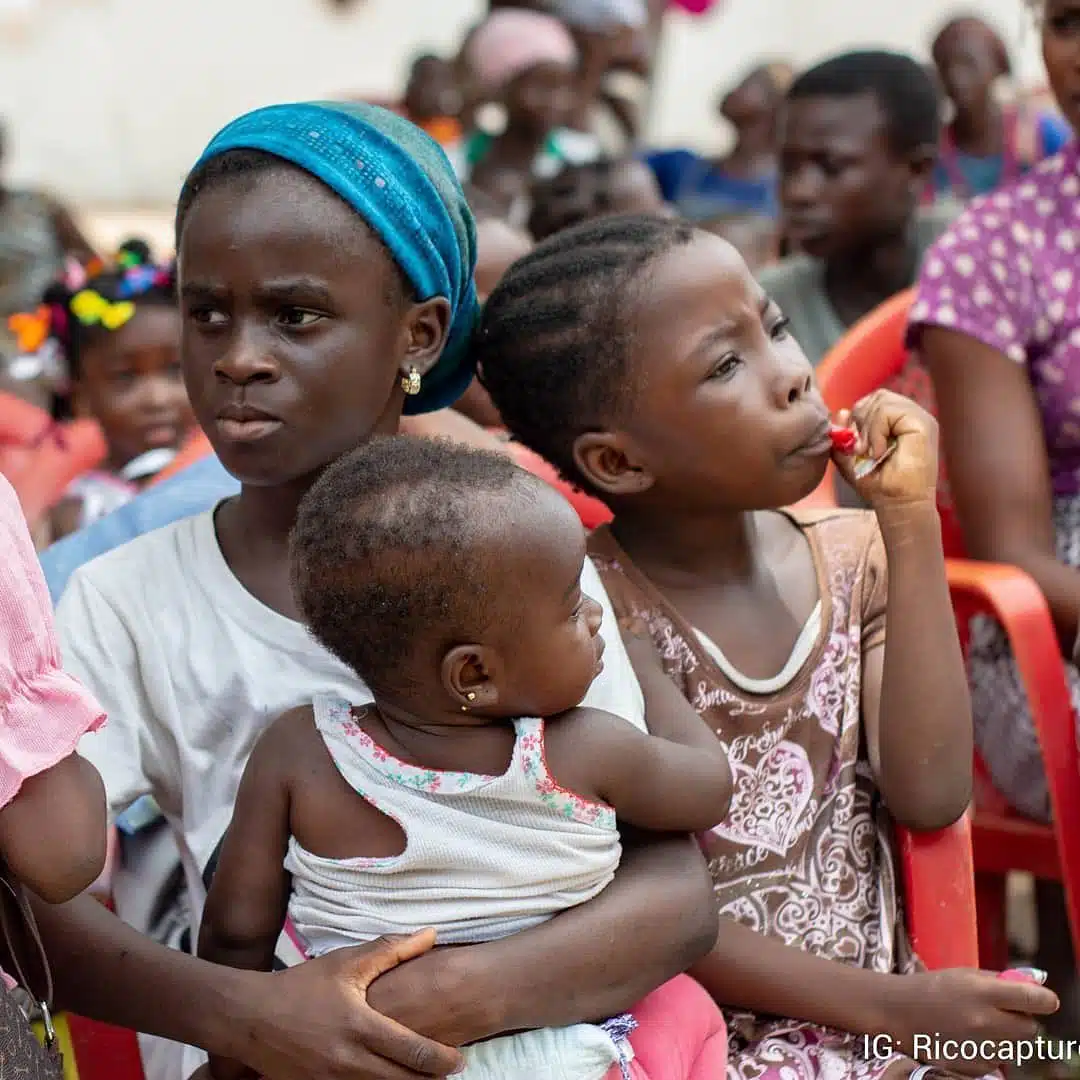
As we celebrate 6 years of impact at The Shrewd Foundation, I am filled with immense pride and gratitude for the incredible journey we have embarked upon. It has been an honor to serve as the President of this remarkable organization and witness firsthand the transformative power of our work in empowering street children. Today, I would like to share my reflections on the past years and the meaningful impact we have made together. From the very beginning, our mission has been rooted in compassion. We recognized the urgent need to address the plight of street children, who face immense challenges and often find themselves trapped in a cycle of poverty and neglect. The Shrewd Foundation was born out of a deep desire to make a difference in their lives and provide them with the opportunities they deserve. As President, I have had the privilege of leading a dedicated and passionate team committed to our cause. Together, we have worked tirelessly to develop and implement programs that address the specific needs of street children. From educational initiatives to healthcare support and shelter provision, we have strived to create a holistic approach to empowerment, giving these children the tools to shape their own destinies. Over the years, we have witnessed countless moments of triumph and transformation. Seeing a child’s eyes light up as they realize their potential, witnessing their growth and resilience in the face of adversity – these are the moments that reaffirm our purpose. Each success story serves as a reminder that our efforts are not in vain, and that, with unwavering dedication, we can truly make a lasting impact. Today, as we celebrate our 6th anniversary, I want to extend my heartfelt gratitude to every individual who has contributed to The Shrewd Foundation’s success. To our dedicated team, tireless volunteers, generous donors, and invaluable partners, I am humbled by your unwavering support. It is through your collective efforts that we have been able to create change and uplift the lives of street children. Looking Ahead: As we look towards the future, we recognize that there is still much work to be done. Our commitment to empowering street children remains unwavering, and we will continue to evolve and adapt to meet their evolving needs. Together, we will forge new partnerships, leverage technology and innovation, and advocate for policy changes that create a more inclusive and supportive environment for these children. On this momentous occasion, I am honored to stand alongside each and every member of The Shrewd Foundation. Together, we have achieved remarkable milestones, and together, we will continue to create a brighter future for street children. Let us celebrate our accomplishments, rekindle our passion, and redouble our efforts to empower these deserving young souls. Thank you for your unwavering support and for being a part of this incredible journey. Here’s to many more years of compassion, transformation, and hope. READ NEXT ON: Why I Take Care of Street Children Through The Shrewd Foundation
Why You Should Be Part of Voluntarius Opus’23
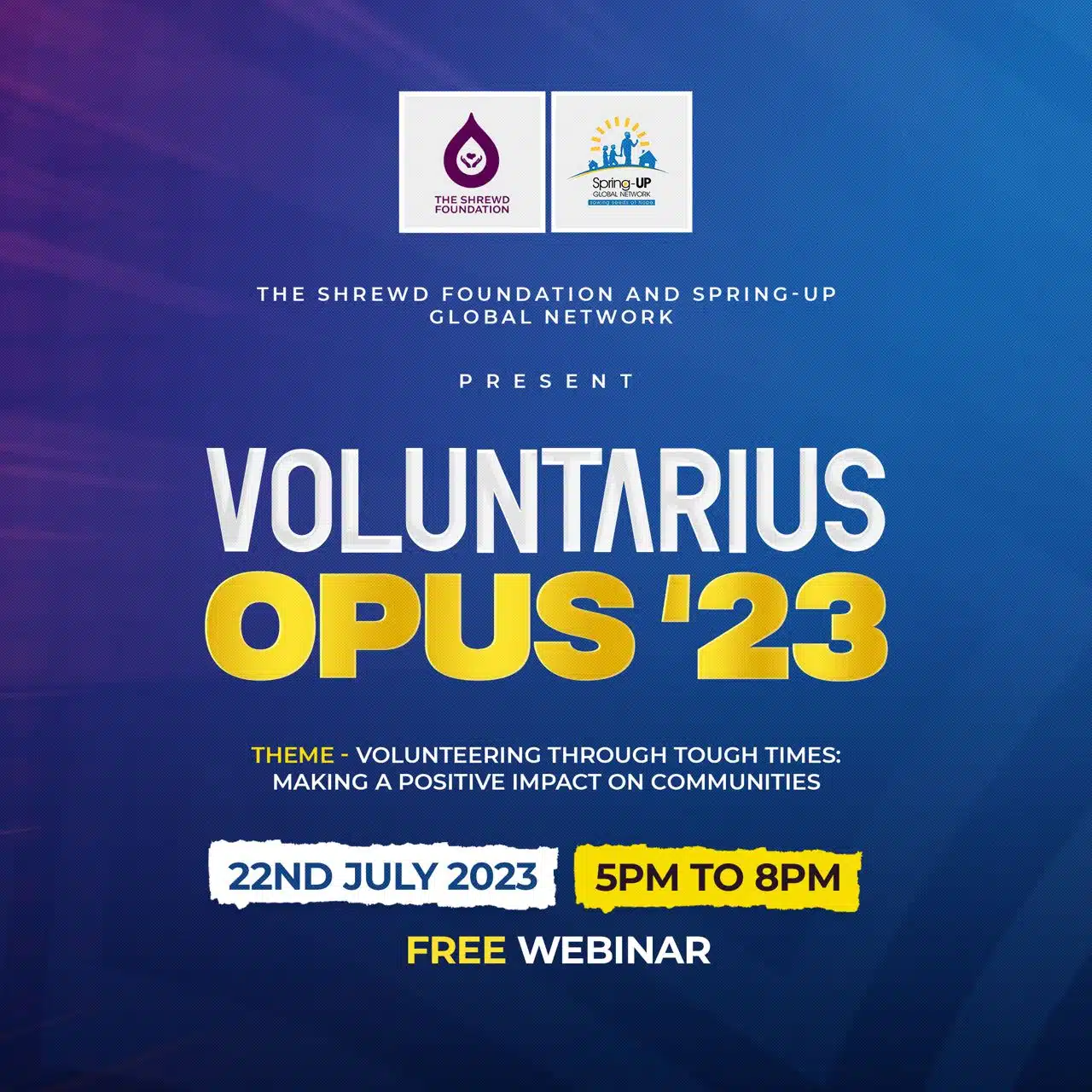
Volunteering has always played a crucial role in society, but its significance becomes even more evident during challenging times. Voluntarius Opus’23 organized by Spring-Up Global Network and The Shrewd Foundation, is set to inspire and empower individuals to make a positive impact on their communities. With the theme, “Volunteering through tough times: making a positive impact on communities,” this year’s seminar aims to shed light on the transformative power of volunteering and the invaluable contributions volunteers can make even in the face of adversity. Voluntarius Opus has established itself as a premier event that brings together volunteers, community leaders, and organizations dedicated to social change. The seminar serves as a platform to exchange ideas, learn from distinguished speakers, and showcase the incredible work accomplished through volunteerism. The chosen theme for this year’s Voluntarius Opus, “Volunteering through tough times: making a positive impact on communities,” resonates deeply with the challenges faced by societies worldwide. It highlights the need for volunteers to step up and be the driving force behind positive change, even in the most difficult circumstances. The speakers at the event will explore various aspects of this theme, providing valuable insights and inspiring stories of resilience, compassion, and community engagement. Voluntarius Opus’23 aims to inspire attendees to overcome obstacles and find innovative solutions through volunteering. Distinguished speakers from diverse backgrounds will share their experiences, knowledge, and expertise, providing a wealth of inspiration to those seeking to make a difference. Through their stories, attendees will gain a deeper understanding of the transformative power of volunteerism and its potential to create lasting change. Apart from the enlightening sessions delivered by the speakers, Voluntarius Opus offers a multitude of learning and networking opportunities. Attendees will have the chance to connect with like-minded individuals, passionate volunteers, and representatives of organizations committed to community development. Through these interactions, participants can forge valuable partnerships, share best practices, and explore collaborative initiatives to amplify their impact. Voluntarius Opus’23 serves as a powerful call to action, urging individuals to embrace the spirit of volunteering and contribute to their communities, no matter the circumstances. It reinforces the notion that even in the face of adversity, volunteers possess the power to uplift, support, and bring positive change to those in need. The seminar will equip attendees with the tools, knowledge, and inspiration needed to make a tangible difference. Voluntarius Opus’23 represents a significant milestone in the journey of volunteering and community engagement. With the theme of “Volunteering through tough times: making a positive impact on communities,” this seminar will empower individuals, foster collaboration, and highlight the transformative potential of volunteerism. As attendees gather to exchange ideas and experiences, the event will ignite a renewed commitment to serve and inspire a wave of positive change that extends far beyond the seminar itself. Let us join hands and make a difference together through the power of volunteering. WHAT’S OUT THERE: Volunteering and its Surprising Benefits READ NEXT ON: Why I Take Care of Street Children Through The Shrewd Foundation
Why I Take Care of Street Children Through The Shrewd Foundation
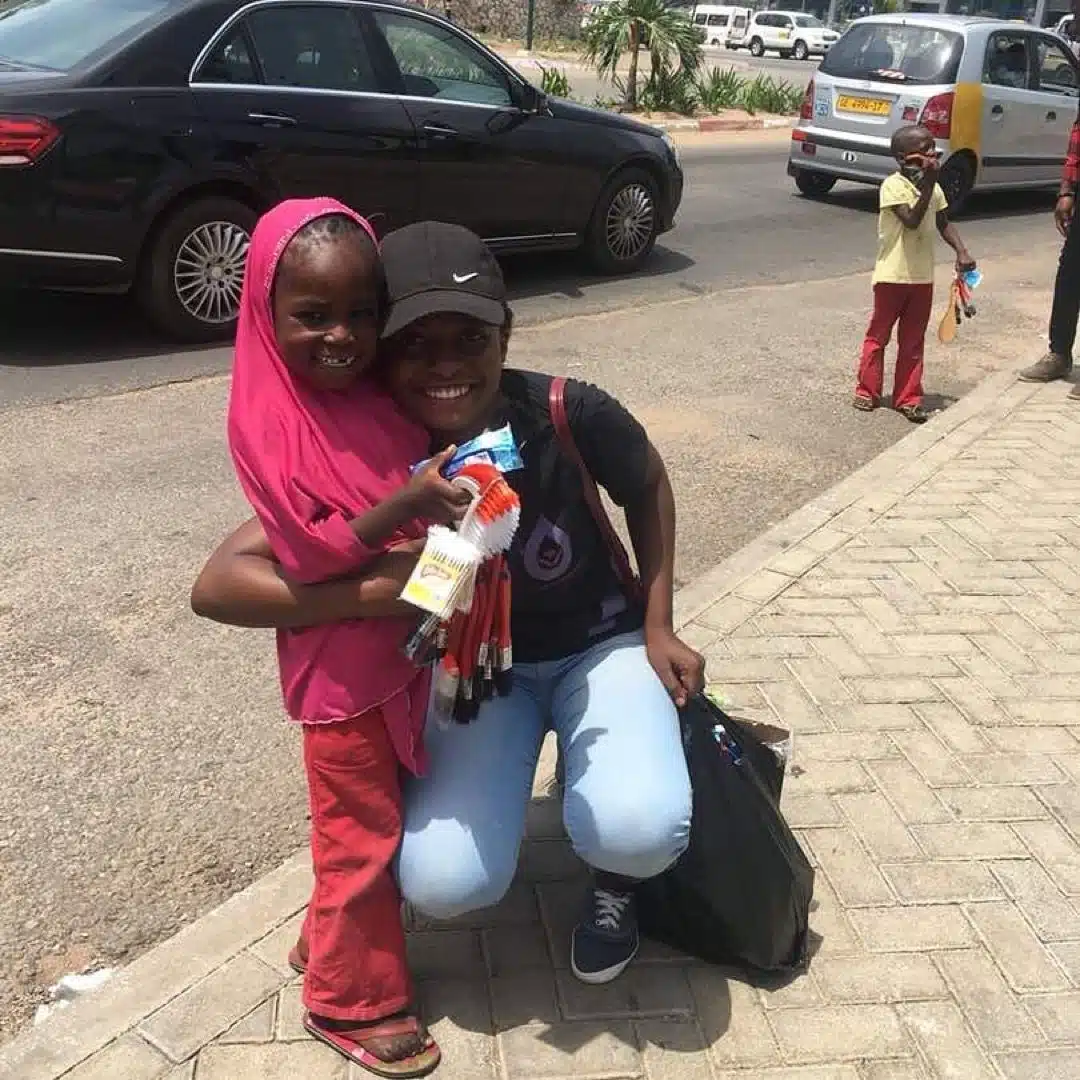
In a world where many children struggle to access basic necessities and face the harsh realities of life on the streets, organizations like The Shrewd Foundation play a vital role in providing care and support. As a passionate advocate for the welfare of street children, I have dedicated my time and resources to this cause. In this article, I will share my personal reasons for establishing The Shrewd Foundation and the impact it has had on the lives of these vulnerable children. Empathy and Compassion One of the primary reasons I take care of street children through The Shrewd Foundation is my deep sense of empathy and compassion. Witnessing the plight of these children, who often face neglect, abuse, and lack of access to education and healthcare, has stirred a strong desire within me to make a positive difference in their lives. Through The Shrewd Foundation, I can contribute to creating a more inclusive society where every child has an opportunity to thrive and fulfill their potential. Providing Basic Necessities Through The Shrewd Foundation, I have the opportunity to address the immediate needs of street children. Many of these children lack access to nutritious food, clean water, and proper shelter. The foundation works tirelessly to provide them with essential resources, ensuring their physical well-being is met. By supporting initiatives that focus on providing meals, healthcare, and temporary shelters, we can offer these children a chance at a healthier and safer life. Education and Skill Development Education is a powerful tool for empowering individuals and breaking the cycle of poverty. The Shrewd Foundation recognizes the importance of education in transforming the lives of street children. By supporting its educational programs, we can help these children acquire knowledge, develop skills, and increase their chances of securing a brighter future. Whether through formal education or vocational training, the foundation equips these children with the tools they need to build a sustainable livelihood and escape the hardships they face on the streets. Emotional and Psychological Support Street children often carry deep emotional scars resulting from their difficult circumstances. The Shrewd Foundation understands the importance of providing emotional and psychological support to help these children heal and regain their self-esteem. By offering counseling services, mentorship programs, and recreational activities, the foundation creates a safe space where children can express themselves, develop resilience, and rebuild their lives. Creating Sustainable Change The Shrewd Foundation’s holistic approach to caring for street children is what attracted me to their cause. They not only address the immediate needs of these children but also work towards creating sustainable change in their lives and communities. By advocating for policy reforms, raising awareness, and fostering community engagement, the foundation aims to create an environment where all children are protected, supported, and given equal opportunities to thrive. Supporting street children through the Shrewd Foundation has been a deeply fulfilling journey for me. By combining empathy, resources, and collective efforts, we can make a lasting impact on the lives of these vulnerable children, offering them hope and a chance at a brighter future. READ NEXT ON: Understanding the root causes of Child Streetism
Understanding the root causes of Child Streetism

Child streetism – it may sound like a big and serious term, but it is a complex and multifaceted issue that affects millions of children around the world. So, let’s break it down into fun and understandable terms. First, we have poverty. This means that some children have to work on the streets to help support their families because they don’t have access to education and other opportunities. It’s like having a lemonade stand but instead of selling lemonade, these children are selling whatever they can find to make ends meet. Then, we have family breakdown. This happens when children run away from home due to abuse, neglect, or conflicts with family members. It’s like running away from home because your sibling won’t stop stealing your candy. But in this case, the consequences are much more severe. Next, we have lack of access to education. Education is super important in breaking the cycle of poverty and preventing child streetism. But some children living on the streets can’t access education due to financial constraints or lack of availability. It’s like being the only one in class without a pencil or notebook, but this time, it’s not just about feeling left out. Political instability and conflict are other factors that can lead to child streetism. In areas affected by war or violence, families may be forced to flee their homes, leaving children vulnerable to exploitation and abuse. It’s like a game of hide and seek, but instead of hiding from your friends, you’re hiding from danger. Urbanization and migration can also contribute to child streetism. When families move from rural areas to cities in search of better opportunities, they may struggle to find adequate housing or employment, leading to poverty and child streetism. It’s like moving to a new school and not knowing anyone, except this time, it’s a whole new city. Lastly, gender and ethnicity can also play a role. Girls are often at higher risk of exploitation and abuse on the streets, and children from marginalized ethnic groups may face discrimination and lack of access to social services, increasing their vulnerability to streetism. It’s like playing a game where some players are given a head start, and others are left behind. So, in conclusion, child streetism is a serious issue, but by understanding its root causes, we can take steps towards addressing it. Providing children with access to education, healthcare, and other basic necessities is crucial to breaking the cycle of streetism. Let’s work together to create a world where every child has the opportunity to thrive and play, both on and off the streets. READ NEXT ON: Child Streetism in Ghana: An Overview of the Issue
Child Streetism in Ghana: An Overview of the Issue
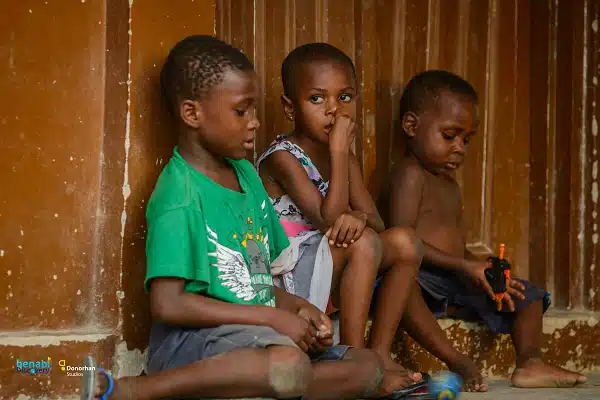
Child streetism, also known as a child begging or street children, is a prevalent issue in Ghana that has far-reaching consequences for the affected children and society as a whole. Children who are forced to live on the streets face a multitude of challenges, including lack of access to education, healthcare, and basic needs such as food and shelter. They are often exposed to violence, exploitation, and abuse, and are at risk of becoming involved in crime and drug abuse. There are several factors that contribute to the issue of child streetism in Ghana. Poverty is a major cause, with many families struggling to provide for their children and opting to send them to the streets to beg or work. Family breakdown, including divorce or the death of a parent, can also lead to children being forced to leave home and live on the streets. Additionally, the lack of adequate social services and government support for vulnerable families exacerbates the problem. Efforts have been made by the Ghanaian government, NGOs, and other stakeholders to address the issue of child streetism. These include creating shelters and rehabilitation centers for street children, providing educational and vocational training programs, and advocating for policies that protect the rights of children. However, there is still a long way to go in terms of eradicating the problem entirely. One of the main challenges in addressing child streetism in Ghana is the lack of adequate resources and funding. The government and NGOs often struggle to provide the necessary support and services due to limited budgets and resources. Another challenge is the stigma attached to street children, which can make it difficult for them to reintegrate into society and gain access to education and employment opportunities. Despite these challenges, there are many inspiring stories of individuals and organizations making a positive impact in the lives of street children in Ghana. Through community outreach programs, advocacy, and education, they are working to change the attitudes and behaviors that contribute to child streetism and to provide a brighter future for the children affected by this issue. Child streetism is a complex and pervasive issue in Ghana that requires a multi-faceted approach to address. While progress has been made in providing support and services for street children, there is still a long way to go in terms of eradicating the problem entirely. By working together to address the root causes of child streetism and providing the necessary resources and support, we can help ensure a brighter future for Ghana’s most vulnerable children. READ ON : Education for All: Breaking the Cycle of Poverty and Child Streetism in Ghana
Education for All: Breaking the Cycle of Poverty and Child Streetism in Ghana
As the President of The Shrewd Foundation, a non-profit organization dedicated to improving the lives of vulnerable children, I am deeply concerned about the issue of child streetism in Ghana. Child streetism is a significant problem in Ghana, and poverty is one of the root causes. Poverty denies children access to basic necessities such as food, shelter, and healthcare, and pushes them onto the streets to fend for themselves. Children living on the streets are vulnerable to various forms of abuse and exploitation and are often denied access to education, which makes it difficult for them to secure decent employment opportunities in the future. TSF Education Project At The Shrewd Foundation, we recognize the importance of addressing poverty reduction as a critical step in combating child streetism in Ghana. Poverty alleviation efforts such as cash transfers, education programs, and vocational training can help to break the cycle of poverty that has led children to live and work on the streets. One of our key programs is the “Shrewd School Project” initiative, which aims to provide vulnerable children with access to education. Through this program, we have been able to provide scholarships and support to children from impoverished backgrounds, enabling them to pursue their dreams and break out of the cycle of poverty. We also work closely with other organizations to implement poverty reduction initiatives. Our collaborative efforts include providing support for income-generating activities and vocational training programs for families and children living in poverty. In conclusion, child streetism and poverty are deeply interconnected issues in Ghana. As the President of The Shrewd Foundation, I believe that addressing poverty reduction efforts is a critical step in combating child streetism. We must continue to work together with the government and other organizations to implement effective poverty reduction initiatives that provide vulnerable children with the resources and support they need to live fulfilling lives. READ NEXT ON: The Phenomenon of Child Streetism
My Philanthropy Journey
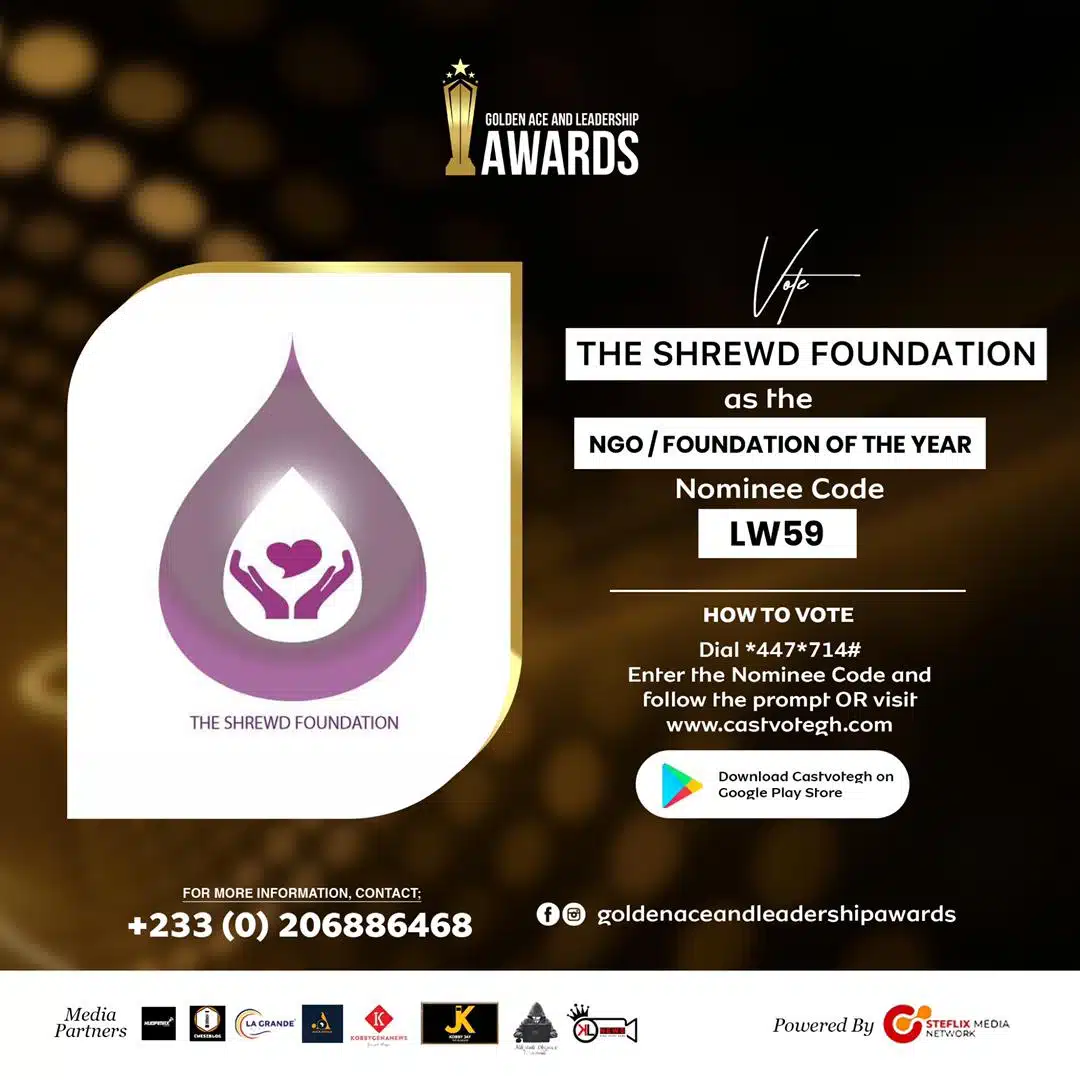
My Philanthropy Journey started five years ago when I founded THE SHREWD FOUNDATION to provide assistance to street children. The motivation behind this decision stemmed from a visit to the streets six years prior, during which I witnessed the heartbreaking circumstances that these children faced. As of July 13th, 2022, we have reached our 5-year anniversary, which has been characterized by both challenging and rewarding moments. Throughout our journey, I have been honored as the Young Female Philanthropist of the Year (2020), and our foundation has received several nominations for our charitable efforts. We have faced setbacks along the way, but we took a break to regroup and have returned with renewed strength. We are thrilled to have been nominated for NGO of the Year by Golden Ace and Leadership Awards, and we are counting on your continued support to help us win this accolade. We are immensely grateful for your unwavering support throughout our journey, and we look forward to continuing our efforts to improve the lives of street children. Thank you! READ NEXT ON: Christmas House Party
The Phenomenon of Child Streetism
An estimated 100 million children between the ages of 5 and 18 live on the streets in less developed countries, for a variety of reasons. These children can be classified into two broad groups of street youth, based on whether they live at home or accept the streets as their home. The first group of street children must rely on the streets to support their families. Often compelled by their parents to work as hard as they can, they take any job that requires rudimentary skills or education, such as shoe polishing, newspaper sales, begging, and sometimes prostitution or other illegal activities for a meager income. The second group of children accepts the street as their home and has no ties to their families or siblings. They flee their homes due to conflicts with parents or family members and typically have no other place to go. Living on the streets exposes these children to harmful peer behaviors, including using violence to dominate their peers, abusing alcohol and drugs, and engaging in premature sex, leading to various consequences. Understanding the reasons behind streetism can help address the issue and support these vulnerable children. READ NEXT ON: Child Streetism in Ghana: An Overview of the Issue
Christmas House Party
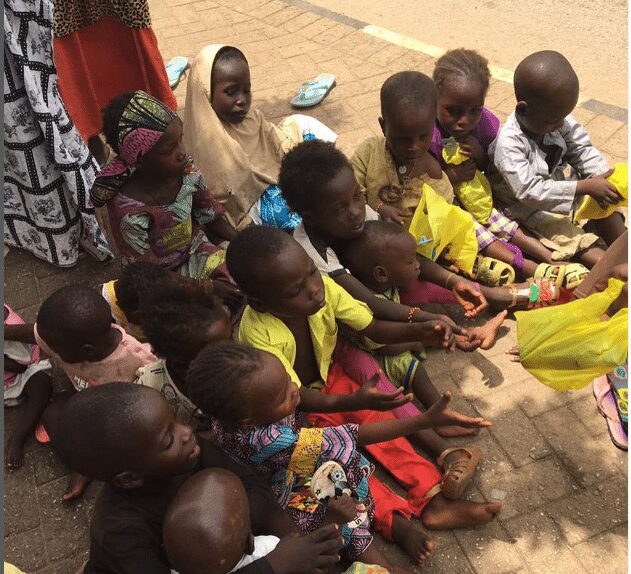
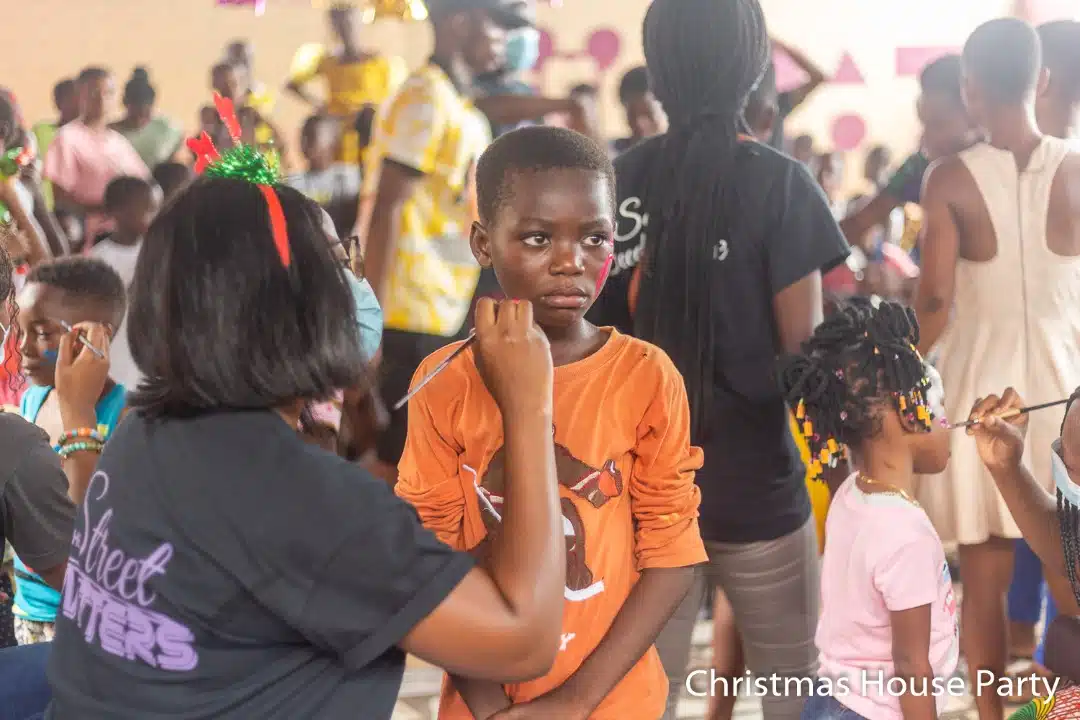
Street children and homeless children are a global phenomenon, found in cities, towns, and villages regardless of a country’s economic status. The United Nations estimates that there could be up to 150 million street children worldwide. However, these children are often unknown to social care and government organizations, making it difficult to provide them with vital services such as education and healthcare. Despite the complexities of their circumstances and their vulnerability to exploitation and violence, organizations like The Shrewd Foundation work tirelessly to meet the needs of street children. During the festive season, I had the privilege of joining my teammates at The Shrewd Foundation in collaboration with Spring-Up Global Network to donate and celebrate with orphans and street children at Great James Academy in Chorkor, Accra during our Christmas House Party. Why Christmas House Party? The goal was to provide these vulnerable children with a sense of hope and support, as they often face complex circumstances and are at risk of exploitation and violence. Our activities included face painting, breaking of bread, candle wishes, health engagement on COVID-19, a dance competition, and a donation to the academy. Every moment spent at this outreach was truly fulfilling, as we got to put smiles on the faces of these children and make a positive impact in their lives. Through these kinds of initiatives, we can show street children that they are not alone, and we can provide them with a glimmer of hope for a better future. While there is still much work to be done to address the issue of street children globally, it is heartening to see organizations like The Shrewd Foundation and Spring-Up Global Network making a difference in their lives. READ NEXT ON : My Philanthropy Journey