Origin & History of Adinkra Symbols

Adinkra Symbols

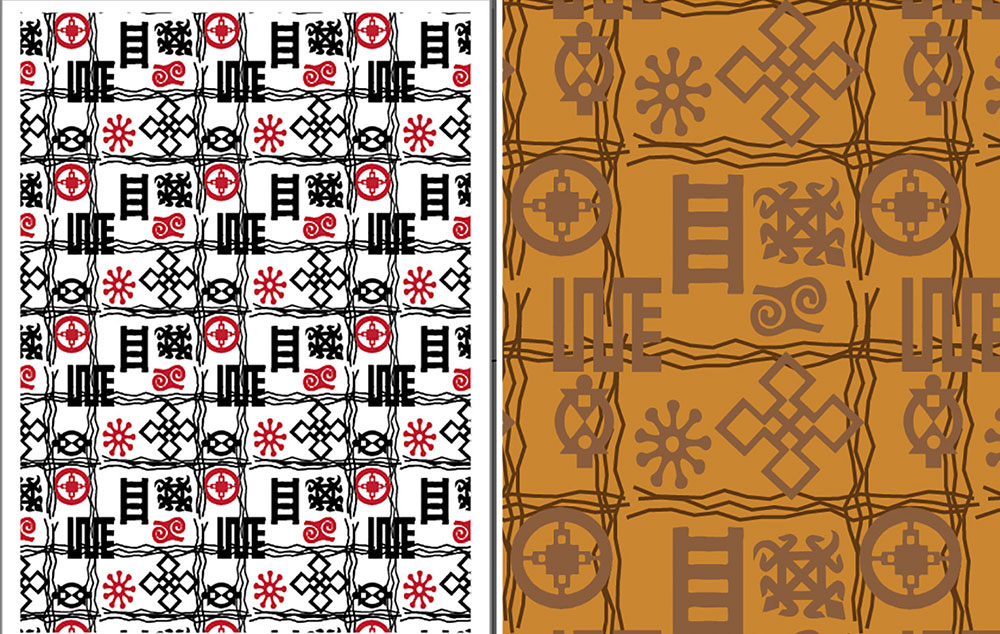
Origin The Adinkra symbols trace their roots back to Gyaman, a former kingdom in present-day Côte D’Ivoire. Legend has it that Adinkra, the name of a Gyaman king (Nana Kofi Adinkra), holds a significant place in this history. Adinkra met his demise at the hands of the Asantes for replicating the revered “Golden Stool,” a symbol embodying absolute power and tribal unity. His act led to his capture and eventual annexation of his territory into the Asante kingdom. Tradition has it that Nana Adinkra donned patterned cloth as a way to express sorrow during his relocation to Kumasi, the capital of Asante. It wasn’t until the 19th century that the Asante people adopted the practice of painting traditional Gyaman symbols onto cloth, a tradition they embraced wholeheartedly. Adinkra: A Multifaceted Term Adinkra, aside from its historical significance, also holds meaning in the Twi language of the Akan ethnic group, of which the Asante are a part. It translates to ‘goodbye’ or ‘farewell.’ Thus, it became customary for the Akan, particularly the Asante, to wear cloths adorned with Adinkra symbols at important events, especially during the funerals of loved ones, signifying their mourning and final farewell. A Cultural Tapestry While initially the Adinkra cloth was the exclusive attire of Asante royalty and spiritual leaders, its use has evolved. It is now donned during a wide array of social occasions, including festivals, weddings, naming ceremonies, and more. Types of Adinkra Among the various types, the three most notable Adinkra for funerary purposes are the dark-brown (kuntunkuni), the brick-red (kobene), and the black (brisi). These are traditionally worn as mourning attire. However, there exist other forms with brighter backgrounds, classified as Kwasiada Adinkra or Sunday Adinkra. These are considered fancier cloths suitable for festivities and everyday wear. Beyond Cloth: Adinkra Symbols in Contemporary Times Adinkra symbols have transcended cloth, finding their way into diverse forms of artistic expression. Fashion designers in Ghana incorporate these symbols into their creations, adding a cultural touch to modern fashion. Additionally, artisans across various disciplines, from sculptors to carpenters and architects, use Adinkra symbols to infuse their work with cultural significance. Some corporate entities in Ghana have even adopted Adinkra symbols as their institutional logos, highlighting their cultural pride. Adinkra Printing: An Artform in Itself The Asante people have perfected the art of Adinkra printing, employing two traditional techniques: block-stamp printing, which utilizes wooden or metal stamps, and screen-printing. Originally, the Adinkra cloth was hand-printed using carved calabash stamps. The dye, derived from the bark of the Badie tree and the roots of the Kuntunkuni tree, was prepared meticulously. Badie bark was boiled with iron scraps, producing a deep brown dye. Kuntunkuni roots, on the other hand, were boiled to create a black solution. The cloth was dipped and dried multiple times to achieve the desired hue. For red Adinkra cloth, a chemical called Sudi replaced the Kuntunkuni root. While the original Adinkra cloth was not meant to be washed to prevent fading, contemporary methods involve using indelible colors and imported cloth as backdrops. Ntonso: The Epicenter of Adinkra Cloth Production Ntonso, a town in the Ashanti Region, stands as the renowned hub of Adinkra cloth production, earning its title as the “Home of Adinkra.” READ NEXT ON: Origin of the Kente cloth

Ghanaian Cuisine: Konkonte

Ghanaian Cuisine: Konkonte

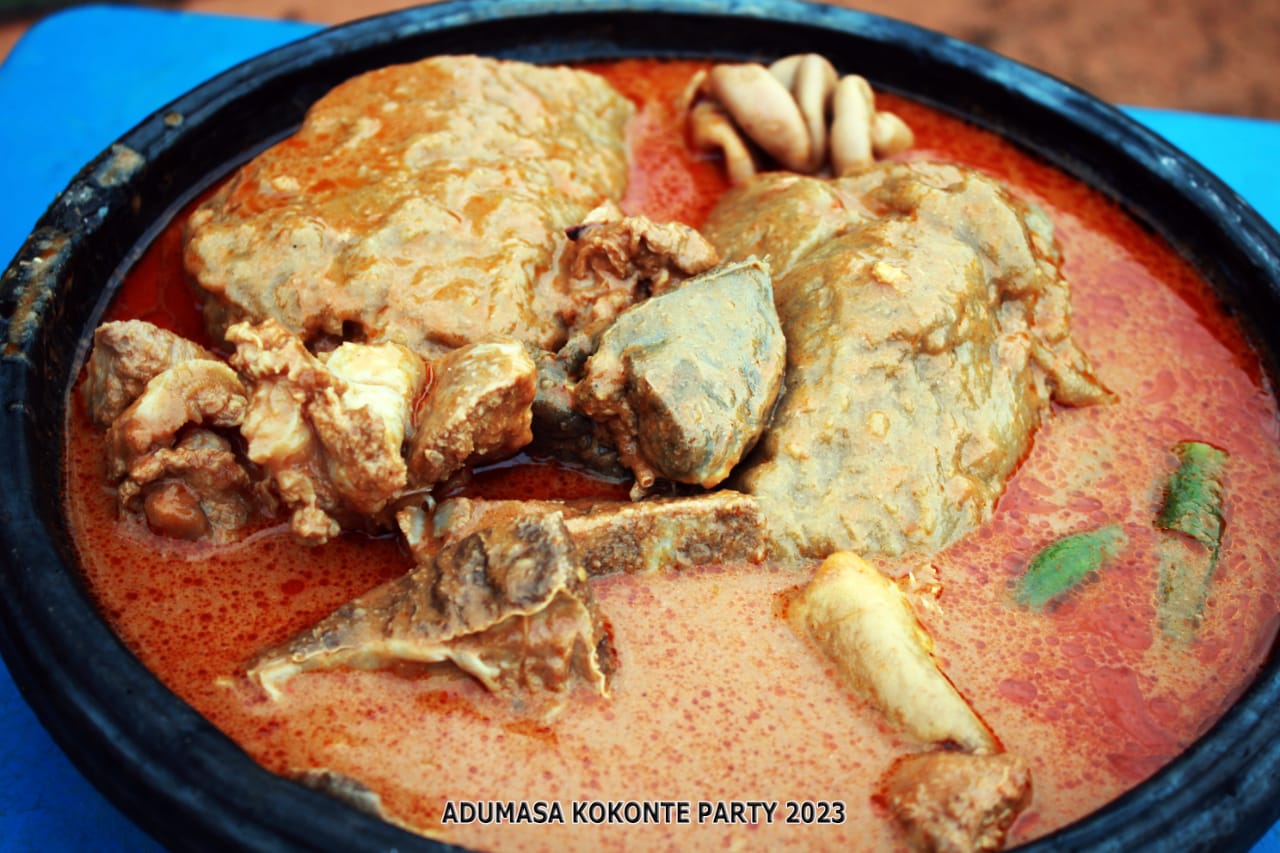
Ghanaian Cuisine: Konkonte, also known as “abeti3,” “lapiiwa,” “lapelawa,” or “face the wall,” is a staple food popular among different ethnic groups like the Ga, Akan, and Hausa. This dish comes in shades of brown, grey, and deep green, depending on the ethnic group preparing it. Made from dried cassava or yam, kokonte is a traditional Ghanaian dish often accompanied by soups made from palm nut or groundnuts. Its English name, “brown fufu,” closely resembles tapioca, a Brazilian delicacy, and is widely enjoyed in the Volta Region of Ghana. Kokonte is a straightforward dish crafted from dried and pounded cassava or manioc root, which transforms into a brownish appearance during preparation. This dish plays a significant role in the culinary culture of the Akans and other ethnic groups within the Kwa languages. The final appearance of konkonte varies based on the type of cassava used and the extent of drying. It generally exhibits shades of brown and even chocolate-brown hues. This color resembles the top school uniform worn by students across many parts of Ghana. The process of preparing konkonte begins with obtaining cassava from farms or local markets. Cassava is widely consumed due to its affordability, making it a staple in Ghanaian diets. To make the dish, cassava is peeled, washed, and cut into chips, which are then sun-dried before being ground into powder. The drying process affects the appearance of the cassava chips and, consequently, the final dish. Farmers in Ghana employ various drying methods, with natural sun drying being the preferred option. Cassava chips left undried for extended periods can develop a brownish-like algae on their surfaces, which affects the appearance and taste of the konkonte. To transform the dried chips into powder, they are pounded or ground. The resulting powder is then mixed with either room temperature or hot water. The mixture is stirred over heat until it thickens, after which it’s kneaded and cooked further. The consistency can be adjusted by adding more hot water if needed. For serving, there are two common methods. In the first, a portion of konkonte is placed in a wet bowl, its edges drawn to the middle to create a smooth base for pouring soup over. Alternatively, some people scoop a portion into a bowl and pour soup over it. Kokonte holds cultural significance in Ghana’s culinary heritage, reflecting the resourcefulness and creativity of its people in transforming simple ingredients into a satisfying and flavorful dish. NEXT CUISINE: Ghanaian Snack: Roasted Plantain (Kofi Brokeman)

Why Ghana’s Capital City Changed from Cape Coast to Accra

Cape Coast

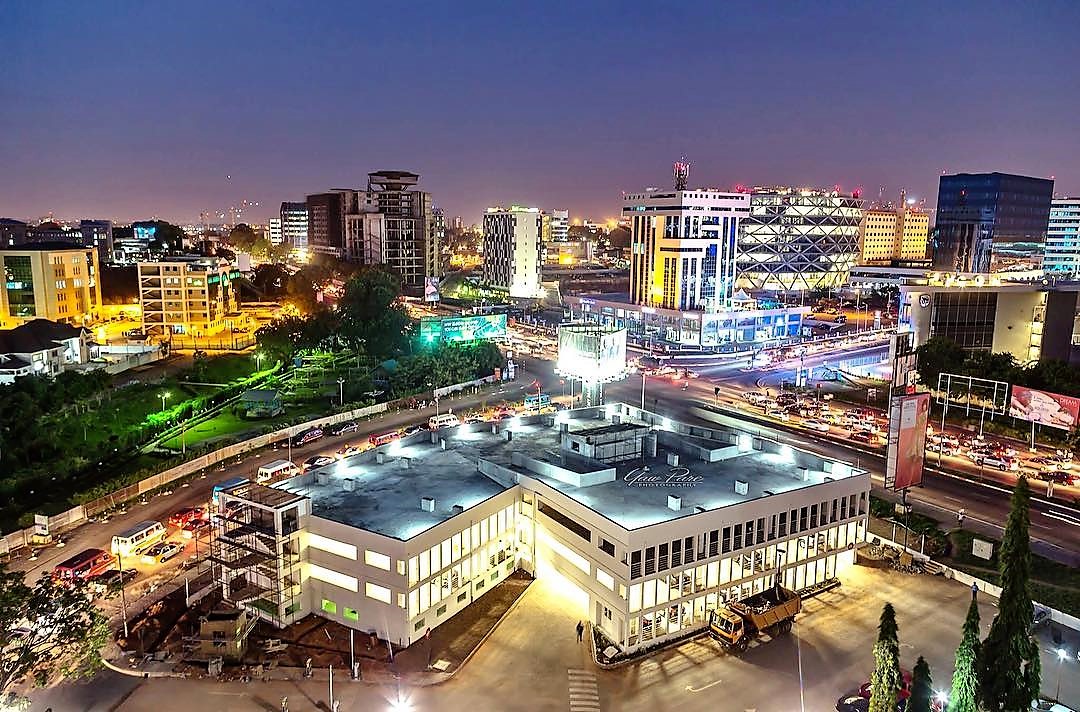
One of Ghana’s most historic cities, Cape Coast, situated on the Gulf of Guinea, played a pivotal role in the transatlantic slave trade and was originally known as Carbo Corso, a distorted version of “Corsican Cape.” It served as the inaugural capital of the Gold Coast. Starting from the 16th century, Cape Coast became a stronghold for various European nations, including the Dutch, Portuguese, Swedish, and eventually the British. It evolved into a crucial center for trade, particularly in slaves and valuable resources such as gold, with the Europeans leaving a lasting architectural legacy through lodges, forts, and other structures. Cape Coast was not only a strategic base for European operations but also a significant hub for Asante traders, a vital port, and the British commercial and administrative capital. The Cape Coast Castle, initially constructed by the Swedish and later seized by the British in 1663, served as the administrative headquarters for the Gold Coast Colony and emerged as an educational center, hosting pioneering schools like the Philip Quaque Boys’ school. However, Cape Coast lost its status as the Gold Coast’s first capital in 1877 when Accra assumed the role of the administrative capital under British colonial rule. During the British presence in Cape Coast, the controversial window tax was introduced, attempting to generate revenue based on the number of windows in each household. This measure faced strong opposition from the local population, leading to the relocation of the seat of government to Accra. Accra, which officially became a city on June 29, 1961, under Ghana’s first President Dr. Kwame Nkrumah, replaced Cape Coast as the new colonial administration center. Over the years, Accra has experienced rapid growth and transformation into a prosperous trading and educational hub, serving as the commercial and economic center of Ghana. The city’s development, marked by the establishment of railways and municipal councils, has positioned Accra as one of the fastest-growing cities in Africa since the pre-colonial era. READ NEXT ON: History of Kotoka International Airport

Ghanaian Snack: Roasted Plantain (Kofi Brokeman)

Kofi Brokeman

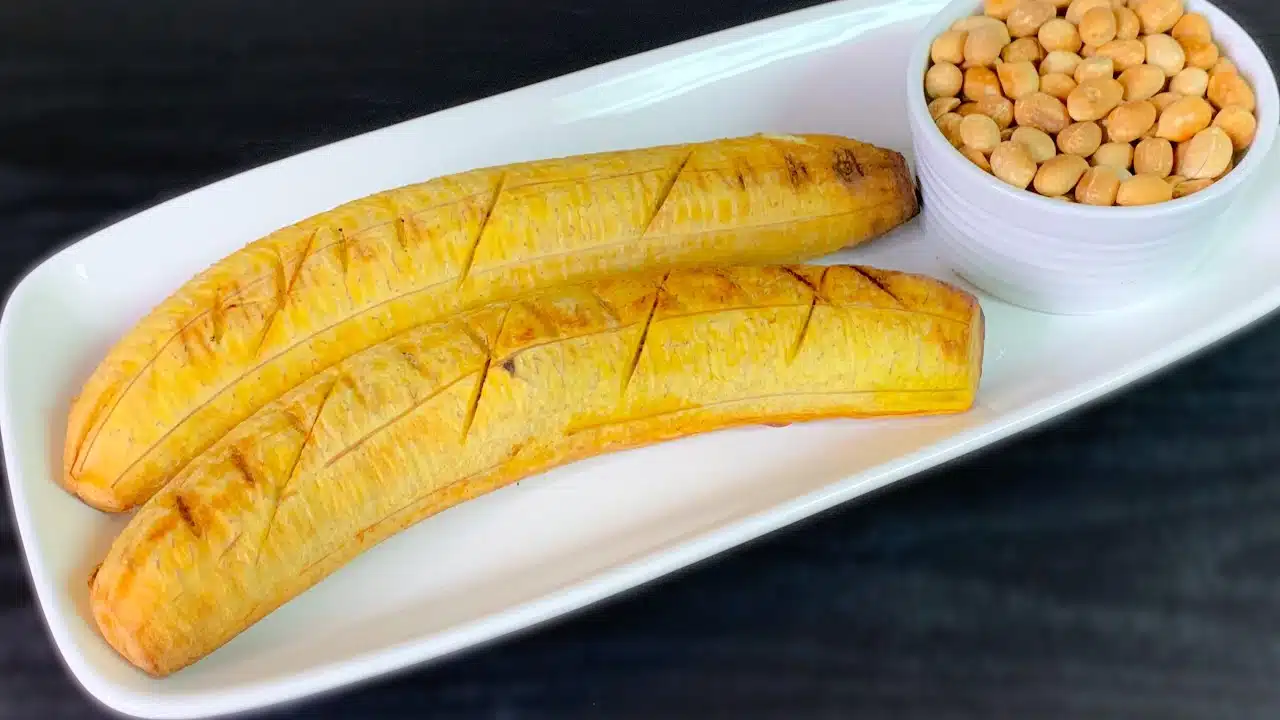
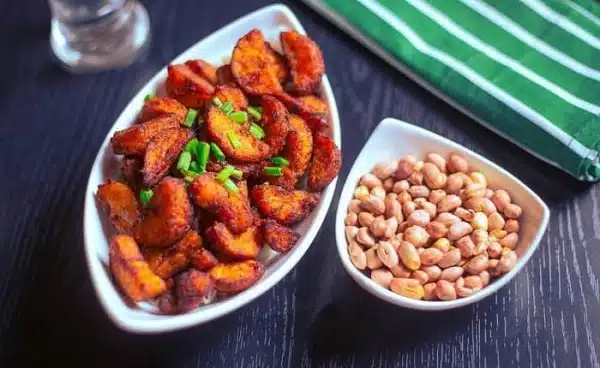
Oh, let’s talk about the beloved Ghanaian street food – “Kofi Brokeman”! 🍌🥜 This tasty treat has won the hearts (and stomachs) of the majority of Ghanaians. The name “Kofi Brokeman” has a fun backstory. When this roasted plantain with peanuts combo first hit the streets, it was affordable and gave you some serious bang for your buck. Even if you were as broke as a toothpick, you could still treat yourself to a finger or two of this deliciousness. Hence, the nickname “Kofi Brokeman” was born, and it stuck like glue! 😄 Now, don’t be swayed away by the name; it’s not just for broke folks! Even the well-heeled and prominent people with deep pockets can’t resist the allure of this street delight. But tradition is tradition, and it’s still affectionately known as “Kofi Broke man” regardless. So, what’s the deal with these plantains? They’re the kings of West and Central Africa’s staple foods. Forget about bananas; here, plantains rule the roost! 🍌 These starchy wonders are versatile veggies that get transformed into deliciousness through frying, boiling, or grilling. And guess what? They’re not just tasty; they’re also pretty darn healthy! Plantains are carb-rich, packed with fiber, vitamins, and minerals, and they even bring along some fantastic antioxidants to fight off those pesky free radicals. It’s like a superhero meal in disguise! 🦸‍♂️ Step onto the streets of Accra, and you’ll see it all unfold. Vendors set up shop on every corner, expertly grilling those sweet plantains on wire meshes atop good ol’ charcoal-fueled pans. The scent alone is enough to make your mouth water and your taste buds jump for joy! So, how’s this magical “Kofi Brokeman” made? It’s as simple as can be, my friend. Just two ingredients – whole semi-ripe sweet plantains and crunchy groundnuts (or peanuts, for our international pals) – that’s all you need! It’s like the culinary equivalent of a high-five – quick, simple, and always satisfying! ✌️ Here’s the secret recipe for the perfect “Kofi Brokeman” experience: And there you have it – “Kofi Brokeman,” the street food superstar of Ghana! It’s the ultimate combination of taste, tradition, and affordability, all wrapped up in one delightful package. So next time you find yourself in Accra, make sure to join the “Kofi Brokeman” club and treat yourself to this finger-licking goodness! 😋👌 Oh, and before I forget, let’s give a shout-out to all those entrepreneurial street food sellers in Ghana. They’re the true magicians behind the scenes, turning simple ingredients into pure joy for our taste buds! Hats off to them for keeping the tradition alive and our bellies happy! READ NEXT ON: Ghanaian Breakfast: Koko with Koose/Bread

History of Kotoka International Airport

Kotoka International Airport

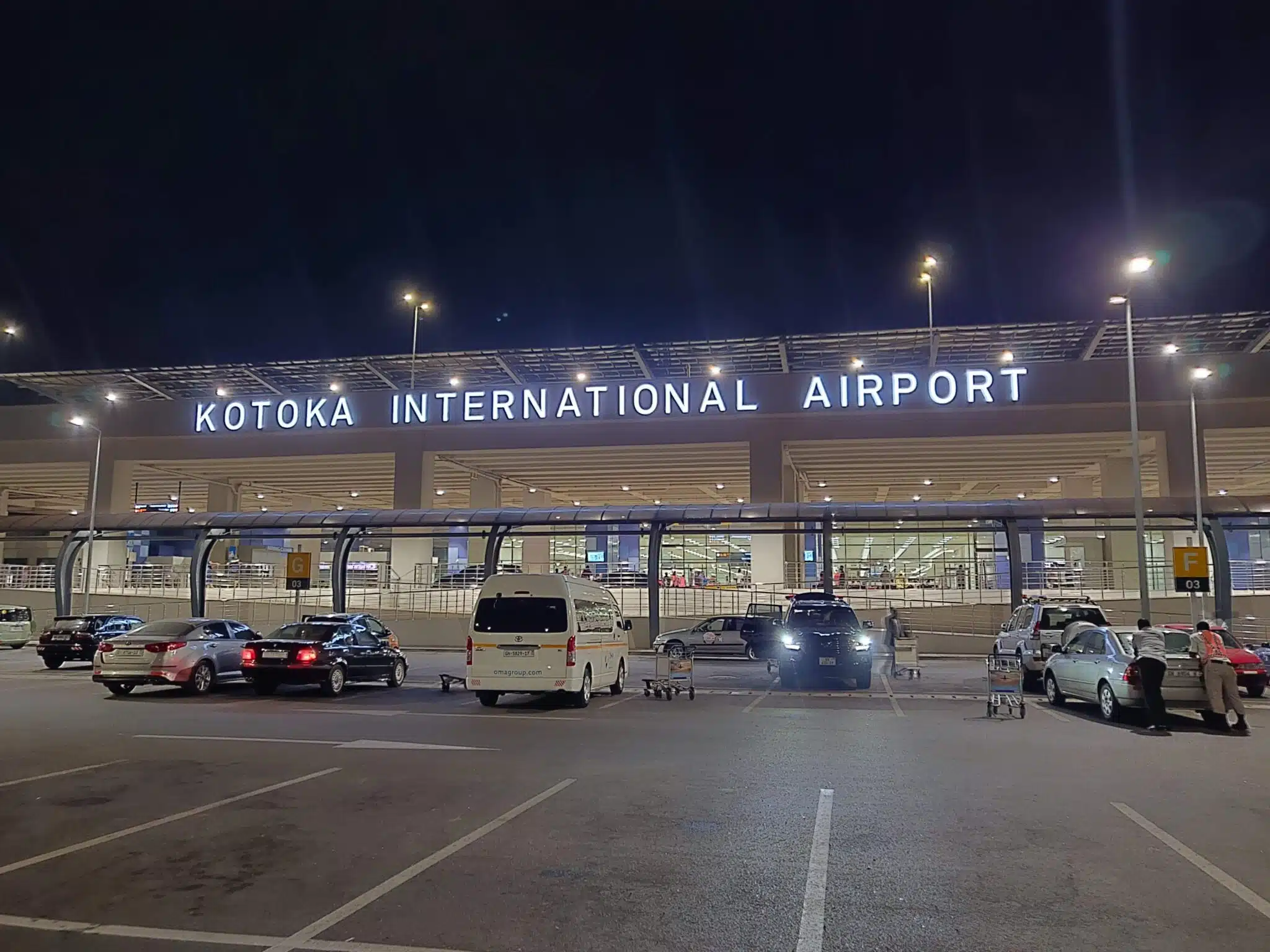
Kotoka International Airport (IATA: ACC, ICAO: DGAA) is a major international airport located in Accra, the vibrant capital city of Ghana. Serving as the sole international gateway to the country, the airport is operated by Ghana Airports Company Limited (GACL), which manages its operations and facilities. The airport has a rich history, originally serving as a military airfield during World War II under the British Royal Air Force. After the war, President Kwame Nkrumah initiated a development project in 1956 to transform the military base into a functional terminal building, completing the project in 1958. At that time, it was known as Accra International Airport, with a capacity of handling 500,000 passengers annually. In 1969, the airport underwent a significant change and was renamed Kotoka International Airport to honor the memory of Lieutenant General Emmanuel Kwasi Kotoka, who played a role in the National Liberation Council. Kotoka tragically lost his life during an unsuccessful coup attempt at the location that now serves as the airport’s forecourt. Kotoka International Airport has witnessed remarkable growth over the years, becoming one of Africa’s leading airports. In 2019, it achieved a milestone by serving a record-breaking 3 million passengers. However, the global impact of the COVID-19 pandemic in 2020 led to a significant decrease in passenger numbers, reaching 1.2 million. Nevertheless, the airport demonstrated resilience, rebounding to 2.8 million passengers by 2022. Presently, the airport plays a crucial role as a hub for Africa World Airlines, a prominent domestic and regional operator, and also serves as a base for domestic operator Passion Air. Kotoka International Airport consists of two passenger terminals, Terminal 2 and Terminal 3. Terminal 2 is dedicated to handling domestic flights within the country, while Terminal 3 caters to regional, international, and long-haul operators. Terminal 1 is currently not in use, but plans are in place to redevelop it into an FBO (Fixed-Base Operator) facility. The construction of Terminal 3, a remarkable project valued at $274 million, commenced on March 1, 2016. The new terminal has a significant capacity, capable of handling up to 5 million passengers annually, with the potential for expansion to accommodate 6.5 million passengers. President John Dramani Mahama and Turkish President Recep Tayyip Erdoğan participated in the groundbreaking ceremony. Terminal 3, equipped with six boarding bridges, three business lounges, and a large commercial and retail area, officially opened its doors to passengers on September 15, 2018. Remarkably, the terminal can also accommodate large aircraft, including the Airbus A380. The excellence of Kotoka International Airport has been widely recognized. The airport has received the prestigious “Best Airport in Africa” award in the category of airports serving 2-5 million passengers annually, consecutively for three years (2019, 2020, and 2021) by the Airports Council International, a testament to its commitment to providing top-notch services and facilities to travelers. READ NEXT ON: History Ghana Airways Limited

Ghanaian Breakfast: Koko with Koose/Bread

Koko with Koose/Bread

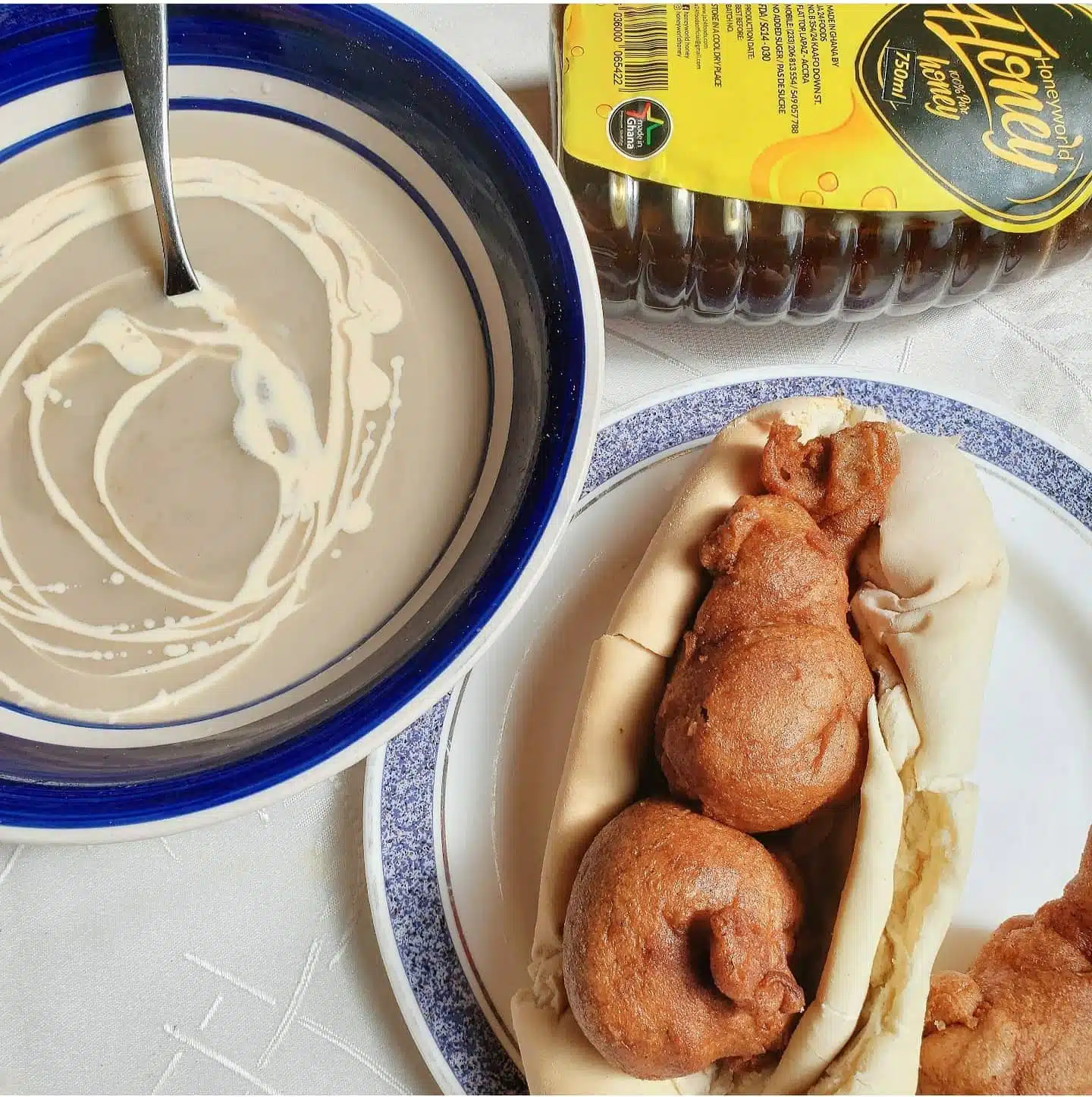
In Ghana, breakfast choices vary depending on the nature of one’s occupation. White-collar workers typically opt for a lighter breakfast to kickstart their day, usually consisting of a comforting cup of tea or a delightful chocolate drink. They complement these beverages with nourishing porridge, accompanied by either bread or biscuits (Koko with Koose/Bread ). On the other hand, manual workers, who require a substantial amount of energy for their physically demanding tasks, prefer heartier options. For them, a more filling breakfast is essential, and they often go for dishes like plain rice or beans served with flavorful sauce or stew. One popular and traditional breakfast meal in Ghana is the delightful combination of “Koko” (Corn Meal Porridge) with “Koose” (Bean Cake) or bread. This beloved dish is primarily enjoyed during breakfast hours, but it can be savored at any time of the day. Notably, queues are a common sight in Ghana, and among the most common queues is the one for “koko.” The preparation of this dish involves fermenting corn dough for approximately three days to enhance its taste and richness. Unfermented corn dough tends to leave a sharp and sour taste in the mouth, so the fermentation process is essential for creating a more pleasant flavor profile. The cornmeal porridge, known as “koko,” is complemented by delectable bean cakes or bread, offering a delightful blend of flavors and textures. For Ghanaians, the experience of savoring this traditional breakfast dish is a cherished part of their cultural heritage, and it embodies the diverse culinary delights that contribute to Ghana’s vibrant food culture. READ NEXT ON: Kelewele

History Ghana Airways Limited

Ghana Airways Limited

Ghana Airways Limited served as the flag carrier of Ghana, with its primary base of operation and hub located at Kotoka International Airport in Accra. Unfortunately, the airline ceased its operations in 2004, though there were discussions to revive it in 2020 in collaboration with Egyptair. History Formative Years: Founded on 4th July 1958 by the government of Ghana with an initial capital of £400,000, Ghana Airways held 60 percent ownership, while BOAC held the remaining share. A significant milestone in the early days was the seven-year agreement signed between the airline and BOAC. This agreement involved BOAC personnel being seconded to Accra, and Ghanaian personnel undergoing training to eventually take over the management and operation of the airline. Before its establishment, BOAC and West African Airways Corporation handled international services from Ghana, operating pool services from West Africa to London. Upon its inception, Ghana Airways joined the pool services, and BOAC initiated the Accra-London route using a Boeing 377 Stratocruiser with the Ghanaian flag and a minimally adapted livery from the UK carrier. On October 1, 1958, Ghana Airways took over domestic and regional flights, which were previously offered by West African Airways Corporation. Their first aircraft, a de Havilland Heron, was delivered on December 30, marking the first Ghanaian aircraft since the nation’s independence. The airline achieved a net profit of US$28,000 in its first year of operation. The airline expanded its fleet with a second Heron and a Douglas DC-3 in 1959. Flights to London utilized Bristol Britannia 102s leased from BOAC. In 1960, an order for two Britannias and three Vickers Viscounts was placed. President Kwame Nkrumah’s alignment with the West led to agreements with the Soviets, and Ghana Airways ordered six Ilyushin Il-18s. The first two Il-18s were delivered in December 1960, and the aircraft operated on various routes from Accra. In January 1961, Ghana Airways ordered two Rolls-Royce Conway-powered Boeing 707-420s and three Vickers VC10s, planning to launch flights to the United States, Tokyo, and Sydney. The airline inaugurated a weekly Britannia service to Beirut, making it the first West African airline to serve the Lebanese capital. Changes and challenges: In February 1961, Ghanaian government bought out BOAC’s 40% share in the airline, leading to greater independence. The airline continued to add new aircraft, including Convair 990 jetliners leased from Swissair. Pool agreements were established with other airlines, and the fleet expanded to include McDonnell Douglas DC-9s and DC-10s. The airline faced financial difficulties and management challenges, resulting in various alliances and agreements with other carriers like South African Airways, British Midland, and Nationwide Airlines. Unfortunately, these efforts couldn’t save the airline, and it experienced incidents like the seizure of an aircraft at Heathrow Airport and banning from operating flights to the United States in 2004. Cease of operations and liquidation: In June 2005, Ghana Airways faced the unfortunate fate of liquidation due to the accumulation of significant debts and the government’s unwillingness to offer further financial assistance. Subsequently, in December 2008, certain funds were disbursed to address severance claims of former employees. Nevertheless, the disbursement process received criticism from employees in Nigeria, who raised concerns about purported inequalities in the payouts. Prospect of revival: In 2020, the Government of Ghana announced an MoU with EgyptAir to potentially restart Ghana Airways. Plans included rehiring former staff and acquiring three Boeing 787 Dreamliners with technical support from Egyptair and Boeing. Dr. Charles Wereko-Brobbey was appointed Chairman of the new airline. These were the important moments and tough challenges that Ghana Airways faced throughout its history, making it a significant part of Ghana’s aviation legacy. READ NEXT ON: History of Ghana National Science and Maths Quiz

Ghanaian Snack: Kelewele

Kelewele

No exploration of traditional Ghanaian cuisine would be comprehensive without highlighting the mouthwatering delight known as Kelewele. This delectable side dish has garnered a devoted following among locals and visitors alike, winning over even those who may not typically enjoy spicy foods. Often found being sold as a popular snack or accompanying dish throughout the vibrant streets of Accra, Kelewele is a true culinary gem. The preparation of Kelewele begins with ripe plantains that are cut into bite-sized pieces. These plantain morsels are then immersed in a flavorful marinade that consists of a harmonious blend of peppers, ginger, and garlic. This combination infuses the plantains with a medley of tantalizing aromas and robust flavors, resulting in a sensory experience that is both fragrant and satisfying. Once marinated, the plantains are fried to perfection, transforming them into irresistibly crispy morsels of goodness. The sizzle of the frying pan releases an enticing aroma that lingers in the air, tempting all nearby with its irresistible allure. As the plantains cook, they take on a rich golden color, further enhancing their visual appeal. The magic of Kelewele lies in its harmonious balance of flavors. The natural sweetness of the plantains serves as a delightful contrast to the bold and spicy marinade. Each bite offers a symphony of taste sensations, with the tangy, slightly sour notes from the marinade complementing the inherent sweetness of the plantains. It is this unique combination of flavors that makes Kelewele an extraordinary culinary experience. While this spiced fried plantain is often enjoyed as a standalone snack, it also makes a delightful side dish that pairs well with a variety of main courses. Whether accompanying grilled meats, hearty stews, or even served alongside other traditional Ghanaian dishes, Kelewele adds a burst of flavor and texture that elevates any meal. Beyond its delectable taste, Kelewele holds cultural significance in Ghana. It is deeply intertwined with the country’s vibrant street food culture, where locals and visitors alike gather to indulge in a diverse array of culinary delights. From bustling food markets to roadside stalls, the aroma of Kelewele wafts through the air, enticing passersby with its enticing allure. Just to let you know, Kelewele is an irresistible delight that captures the essence of traditional Ghanaian cuisine. Its crispy texture, bold flavors, and delightful combination of sweet and spicy make it a beloved dish among Ghanaians. So, whether you find yourself strolling through the vibrant streets of Accra or trying your hand at recreating Ghanaian flavors in your own kitchen, be sure to savor the irresistible pleasure of Kelewele. READ NEXT ON: Ghanaian Cuisine: Aprapransa

History of Ghana National Science and Maths Quiz

National Science and Maths Quiz

The National Science and Maths Quiz is an annual competition in Ghana that focuses on science and mathematics knowledge among senior high school students. The quiz, produced by Primetime Limited, has been running since 1993 with the objective of promoting the study of sciences and mathematics while fostering healthy academic competition among schools. Initially sponsored by Unilever’s “Brillant Soap,” the quiz is commonly referred to as “Brilla” by those who have experienced the secondary school system in Ghana. It is one of the few academic events that brings together secondary schools from across the country. The National Science and Maths Quiz holds the distinction of being the longest-running educational program on Ghanaian television, broadcasted on GTV during the quiz season every Saturday at 11 am and Wednesdays at 4 pm. The idea for the quiz program originated in 1993 when Kwaku Mensa-Bonsu, the managing director of Primetime, was playing tennis with Professors Marian Ewurama Addy and Ebenezer Kweku Awotwe. A question about birds standing on live electric wires sparked Mensa-Bonsu’s curiosity, leading him to conceive the idea of a science and mathematics quiz. The inaugural quiz involved 32 schools divided into the Northern and Southern Sectors, with the winners from each sector competing in Accra for the national championship. Prempeh College emerged as the winner of the maiden edition. In 1997, the geographical sector system was abolished, and Opoku Ware School and Prempeh College from the northern sector made it to the finals, with Opoku Ware School winning its first trophy. The tournament officially became known as the National Science & Maths Quiz in 1998 after losing its original sponsorship from Brillant Soap. The Ghana Education Service, through the Conference of Heads of Assisted Secondary Schools (CHASS), took up the sponsorship of the program in 2012. Over the years, the number of participating schools has increased, reaching 135 schools from all parts of Ghana since 2014. The selection process involves regional and zonal competitions, with 108 schools joining 27 seeded schools at the National Championships. The quiz has provided a platform for students to showcase their knowledge and skills in science and mathematics, fostering a love for these subjects. The National Science and Maths Quiz has seen notable personalities serve as quiz mistresses, starting with Professor Marian Ewurama Addy from 1993 to 2000. Dr. Eureka Emefa Adomako took over from 2001 to 2005, followed by Dr. Elsie Effah Kaufmann in 2006, who has injected her unique style and occasional humor into the program. Dr. Kaufmann is supported by a team of consultants from the University of Ghana. Presbyterian Boys’ Secondary School (PRESEC-Legon) holds the record for the most successful school in the quiz, reaching the finals 11 times and winning the competition seven times. Achimota School is the only coeducational school to have won the competition, while an all-girls’ school is yet to claim the title. Since its inception, only 11 schools in Ghana have emerged as winners. In 2021, Primetime Limited introduced the STEM Festival, comprising Mentorship Sessions and the Sci-Tech Fair, including the Sci-Tech Innovation Challenge and an Exhibition open to various educational institutions and tech firms. The National Science and Maths Quiz has become a prestigious platform for promoting scientific and mathematical knowledge, encouraging academic excellence, and fostering healthy competition among Ghana’s senior high schools. READ NEXT ON: Background & History of St. Monica’s Senior High School

History of the Hausa People

Hausa People

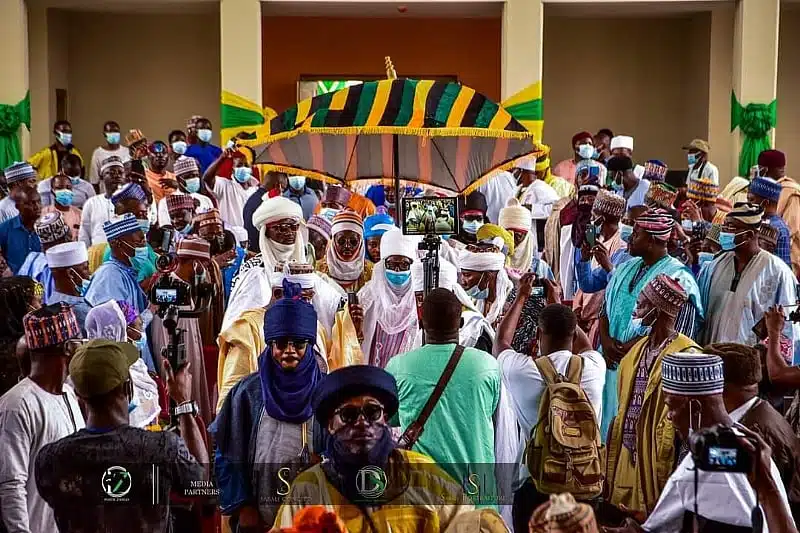
Ghana is a tropical country that lies along the coast of West Africa. The Hausa People make up the largest ethnic group in West Africa, and a majority of them are Muslims. The Hausa are originally from an area known as “Hausaland,” a region covering 75,000 square miles and straddling the borders of Niger and Nigeria. They first began to settle in Ghana about 500 years ago. In the fifteenth century, the first Muslim traders from Hausaland arrived and settled in the northeastern section of Ghana. With the expansion of trade in the eighteenth century and the “holy wars” of Fulani in the nineteenth century, Hausa immigration to Ghana increased. Hausa traders, Muslim priests, and Hausa-speaking slaves helped to spread the Hausa culture in Ghana. Some have wrongly assumed that Boko Haram comes from the Hausa because the term itself is from the Hausa language. But Boko Haram mainly originates from the Kanuri and Fulani tribes, as well as other tribes. What Are Their Lives Like? Since the fifteenth century, Hausa traders have imported textile products, leather goods, metal locks, and horse equipment to the area of present-day Ghana. Until the beginning of this century, slaves, kola nuts, coffee, gold, and elephant tusks were the products that the Hausa traded in exchange. With the expansion of trade, Hausa immigration into Ghana increased. Very few of the Hausa immigrants came to Ghana with wives. Instead, as soon as they began to make a living in any area, they would take local wives and start to build families. However, they would invite Hausa priests to settle near them so that their children would be educated in the Quran. This was done to reduce the influence of the children’s non-Hausa mothers and to preserve the Hausa culture. Hausa women are given fewer educational opportunities than men and are required to marry at a young age. They are often confined to the home, except for visits to relatives, ceremonies, and work. They are primarily responsible for tending to the children and doing household chores, including providing water and fuel for cooking. Additionally, they are expected to engage in some form of trade in their remaining time. The money they earn is used to finance their daughters’ dowries. The Hausa are known for their industriousness, and idleness is not tolerated among them. They are known to hold multiple occupations simultaneously, including positions in the military, trade and commerce, social services, and the propagation of Islam. As a result, they have come to exert significant influence in the country, particularly in the areas of religion and commerce. The national dress of the Hausa consists of loose flowing gowns and trousers. The gowns have wide openings on both sides for ventilation, while the trousers are loose at the top and center but tighter around the legs. Leather sandals and turbans are also typical. Today, the wealthy in northern Ghana still wear these gowns and sandals, but more people have begun adopting European-style clothing and tailored garments. What Are Their Beliefs? The Hausa of Ghana are predominantly Muslim, which is a significant proportion in a country with a small Islamic population. Both the Qadiriyah brotherhood and the Tijaniyah order have followers among them. However, the religious practices of the Hausa have been influenced by local traditions. For example, they believe in a variety of spirits, both good and bad. Traditional rituals involve making sacrificial offerings to the spirits and to spirit possession. Most rituals are performed by family members, but specialists are called upon to cure diseases. The Hausa priests, known as malams, are believed to possess powerful charms. According to the malams, different magical formulas have different effects, and they claim to have cures for every aspect of human concern. Source: Hausawa READ NEXT ON: History of the Kusasi People