8 Benefits of Promoting Mental Health Education in Schools
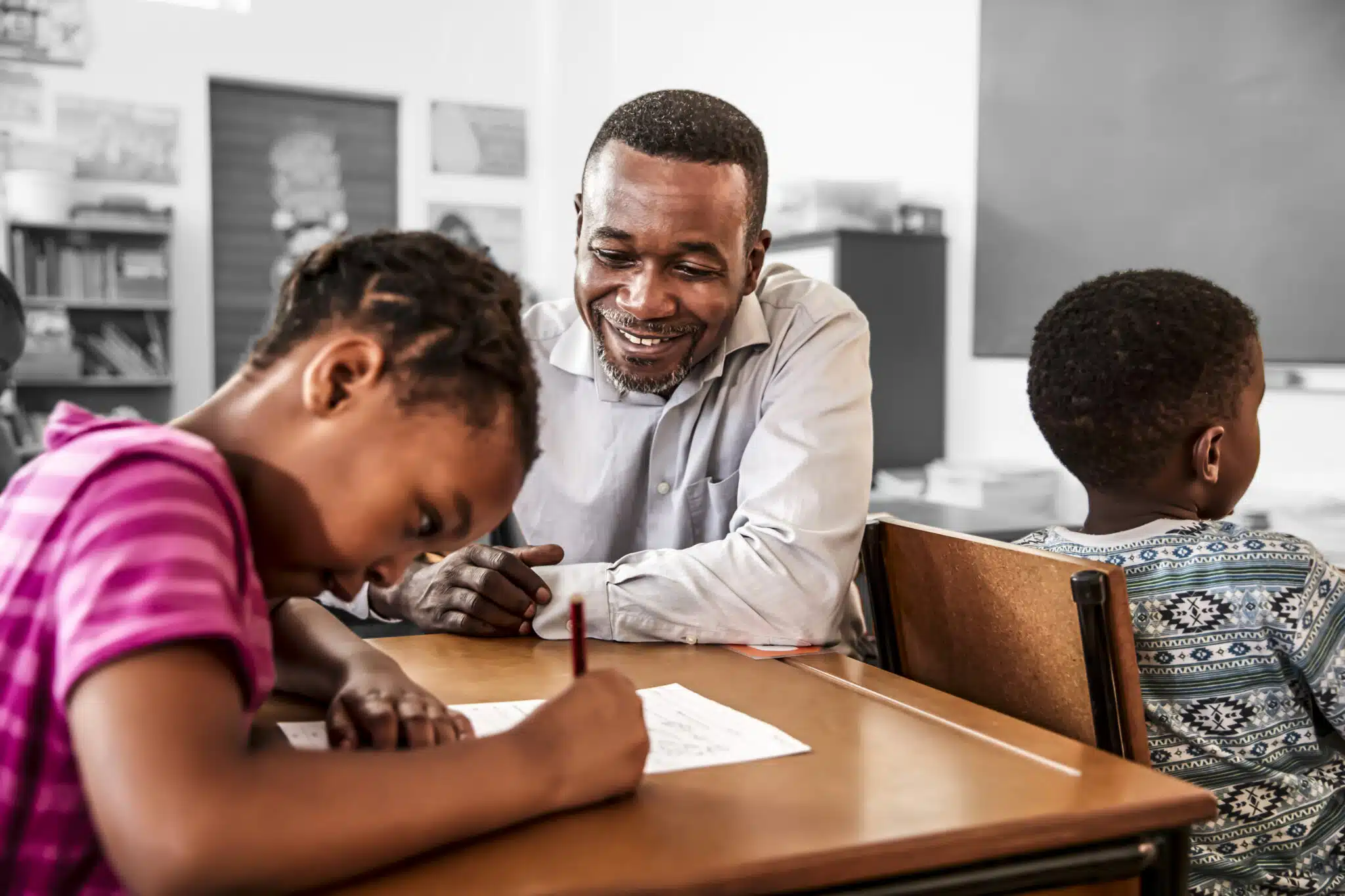
Promoting mental health education in schools is a crucial and transformative initiative that can have far-reaching benefits for students, teachers, and the wider community. As mental health issues continue to rise among young people, addressing these concerns through education becomes imperative. By integrating mental health education into school curricula, we can create a supportive and nurturing environment that fosters emotional well-being, resilience, and overall positive mental health. Here are 8 key benefits of promoting mental health education in schools: Early Identification and Intervention Mental health education equips teachers and school staff with the knowledge and tools to identify early signs of mental health issues in students. By recognizing these signs at an early stage, interventions can be implemented promptly, potentially preventing more severe problems from developing later in life. Reducing Stigma Mental health education helps break down the stigma surrounding mental health problems. By providing students with accurate information about mental health and encouraging open discussions, misconceptions and prejudices can be challenged. This can create a more inclusive and empathetic school environment where seeking help is viewed as a sign of strength, not weakness. Improved Academic Performance When students’ mental health needs are addressed, they are more likely to thrive academically. Mental health education can teach students coping mechanisms, stress management techniques, and problem-solving skills, all of which contribute to better academic performance and focus in the classroom. Enhanced Emotional Resilience Mental health education fosters emotional resilience in students. By teaching them how to manage stress, cope with challenges, and build healthy relationships, students become better equipped to navigate life’s ups and downs with greater emotional stability and adaptability. Positive School Climate A school that prioritizes mental health education cultivates a positive and supportive atmosphere. When students feel valued, understood, and emotionally safe, they are more likely to engage in learning, participate in school activities, and have improved social interactions. Empowering Students Mental health education empowers students by giving them a sense of agency over their emotional well-being. They learn to recognize their emotions, express themselves constructively, and seek help when needed. This empowerment contributes to a sense of ownership over their mental health, leading to better self-esteem and self-awareness. Teacher and Staff Well-being Mental health education is not only beneficial for students but also for teachers and school staff. Educators who are trained in mental health awareness can better support their students’ needs and maintain their own mental well-being. This, in turn, leads to a healthier and more effective learning environment for everyone involved. Long-term Community Impact The benefits of promoting mental health education extend beyond the school walls. When students are equipped with the tools to manage their mental health effectively, they are more likely to become resilient, empathetic, and emotionally intelligent adults. This positively impacts their families, workplaces, and communities, creating a ripple effect of well-being. Incorporating mental health education into school curricula can take various forms, such as dedicated lessons, workshops, or incorporating mental health topics into existing subjects like physical education, biology, or social studies. Additionally, fostering open communication between teachers, students, and parents about mental health creates a collaborative support network for young people. To successfully implement mental health education, schools should collaborate with mental health professionals, counselors, and community organizations. Training teachers and staff in mental health awareness and providing access to professional support resources are essential steps in ensuring the effectiveness of the program. Furthermore, promoting mental health education goes hand in hand with addressing systemic issues that impact mental health, such as bullying, peer pressure, and academic pressure. Creating a culture of acceptance, respect, and understanding is essential for the long-term success of mental health education initiatives. In conclusion, promoting mental health education in schools is a proactive approach to nurturing the emotional well-being of students, teachers, and the entire school community. By providing the necessary knowledge, support, and resources, we can create a generation of emotionally resilient individuals who are better equipped to face life’s challenges and contribute positively to society. Prioritizing mental health education is an investment in the future, fostering a healthier, more empathetic, and happier generation. WHAT’S OUT THERE: Benefits of Teaching Mental Health in School READ NEXT ON: 10 Ways to Build Resilience and Coping Strategies in Students to Combat Depression
Eva Naa Merley Lokko, First Satellite Communications Engineer

Eva Naa Merley Lokko, who passed away on 6th October 2016, was a distinguished Ghanaian civil servant, engineer, and politician. Notably, she made history as the first woman to be selected as the Vice-Presidential candidate of the Progressive People’s Party (PPP). Lokko’s political journey began when she partnered with Paa Kwesi Nduom, the flagbearer of the PPP, during the 2012 Presidential and parliamentary elections. In addition to her political achievements, she held the distinction of being the first female managing director of the Ghana Broadcasting Corporation. Her early life saw her attend Wesley Girls’ High School in Cape Coast, where she excelled in sports, particularly in hurdles, javelin, 100-metres, relays, and high jump. She pursued engineering and earned master’s degrees in Satellite Communications Engineering from the Soviet Union (USSR) and in Intelligent Management Systems, System Analysis, and Design from the United Kingdom. Lokko’s impressive working life included being the first Satellite Communications Engineer and the first woman engineer hired at the Ghana Broadcasting Corporation in 1972. She played a crucial role in the installation and maintenance of Ghana’s first color television infrastructure in 1985. Her career extended beyond Ghana’s borders, working in over forty countries and serving as a regional programs coordinator for the United Nations Development Programme’s Internet development initiative in Africa. Additionally, she held significant roles within the United Nations, including chairing the UN Federation of International Civil Servants Association and the United Nations Staff Council. In 2002, Lokko was appointed Director-General of the GBC, making her the first and only woman to hold that position since the corporation’s establishment in 1953. She also served as the chief executive officer of Totally Youth, a non-governmental organization (NGO) based in Accra, Ghana. During her political career, Lokko was a member of the Progressive People’s Party and was selected as Paa Kwesi Nduom’s running mate for the 2012 Ghanaian Presidential election. Although their party placed third in the elections, she made history as the first female Vice Presidential Candidate for the PPP. She had aspirations to stand for parliamentary elections in the Klottey Korley Constituency for the 2016 elections, but her life was cut short by illness. Lokko was a devout Christian and an active member of the Methodist Church of Ghana, serving on various church committees and as the National ICT consultant. Eva Naa Merley Lokko was a woman of many talents, proficient in several local and international languages, including Ga, Twi, English, Russian, and French. She was married to Nii K. Bentsi-Enchill and had two children. Her passing deeply saddened the nation, and she was laid to rest on 18th November 2016 at the Osu cemetery after a memorial service at the forecourt of the State House. The service was attended by prominent politicians and civil servants, including Paa Kwesi Nduom, her running mate Brigitte Dzogbenuku, and other political contenders for the Klottey Korle constituency. READ NEXT ON: Melody Millicent Danquah, Ghana’s First Female Pilot
Ghanaian Snack: Roasted Plantain (Kofi Brokeman)

Oh, let’s talk about the beloved Ghanaian street food – “Kofi Brokeman”! 🍌🥜 This tasty treat has won the hearts (and stomachs) of the majority of Ghanaians. The name “Kofi Brokeman” has a fun backstory. When this roasted plantain with peanuts combo first hit the streets, it was affordable and gave you some serious bang for your buck. Even if you were as broke as a toothpick, you could still treat yourself to a finger or two of this deliciousness. Hence, the nickname “Kofi Brokeman” was born, and it stuck like glue! 😄 Now, don’t be swayed away by the name; it’s not just for broke folks! Even the well-heeled and prominent people with deep pockets can’t resist the allure of this street delight. But tradition is tradition, and it’s still affectionately known as “Kofi Broke man” regardless. So, what’s the deal with these plantains? They’re the kings of West and Central Africa’s staple foods. Forget about bananas; here, plantains rule the roost! 🍌 These starchy wonders are versatile veggies that get transformed into deliciousness through frying, boiling, or grilling. And guess what? They’re not just tasty; they’re also pretty darn healthy! Plantains are carb-rich, packed with fiber, vitamins, and minerals, and they even bring along some fantastic antioxidants to fight off those pesky free radicals. It’s like a superhero meal in disguise! 🦸♂️ Step onto the streets of Accra, and you’ll see it all unfold. Vendors set up shop on every corner, expertly grilling those sweet plantains on wire meshes atop good ol’ charcoal-fueled pans. The scent alone is enough to make your mouth water and your taste buds jump for joy! So, how’s this magical “Kofi Brokeman” made? It’s as simple as can be, my friend. Just two ingredients – whole semi-ripe sweet plantains and crunchy groundnuts (or peanuts, for our international pals) – that’s all you need! It’s like the culinary equivalent of a high-five – quick, simple, and always satisfying! ✌️ Here’s the secret recipe for the perfect “Kofi Brokeman” experience: And there you have it – “Kofi Brokeman,” the street food superstar of Ghana! It’s the ultimate combination of taste, tradition, and affordability, all wrapped up in one delightful package. So next time you find yourself in Accra, make sure to join the “Kofi Brokeman” club and treat yourself to this finger-licking goodness! 😋👌 Oh, and before I forget, let’s give a shout-out to all those entrepreneurial street food sellers in Ghana. They’re the true magicians behind the scenes, turning simple ingredients into pure joy for our taste buds! Hats off to them for keeping the tradition alive and our bellies happy! READ NEXT ON: Ghanaian Breakfast: Koko with Koose/Bread
History of Kotoka International Airport
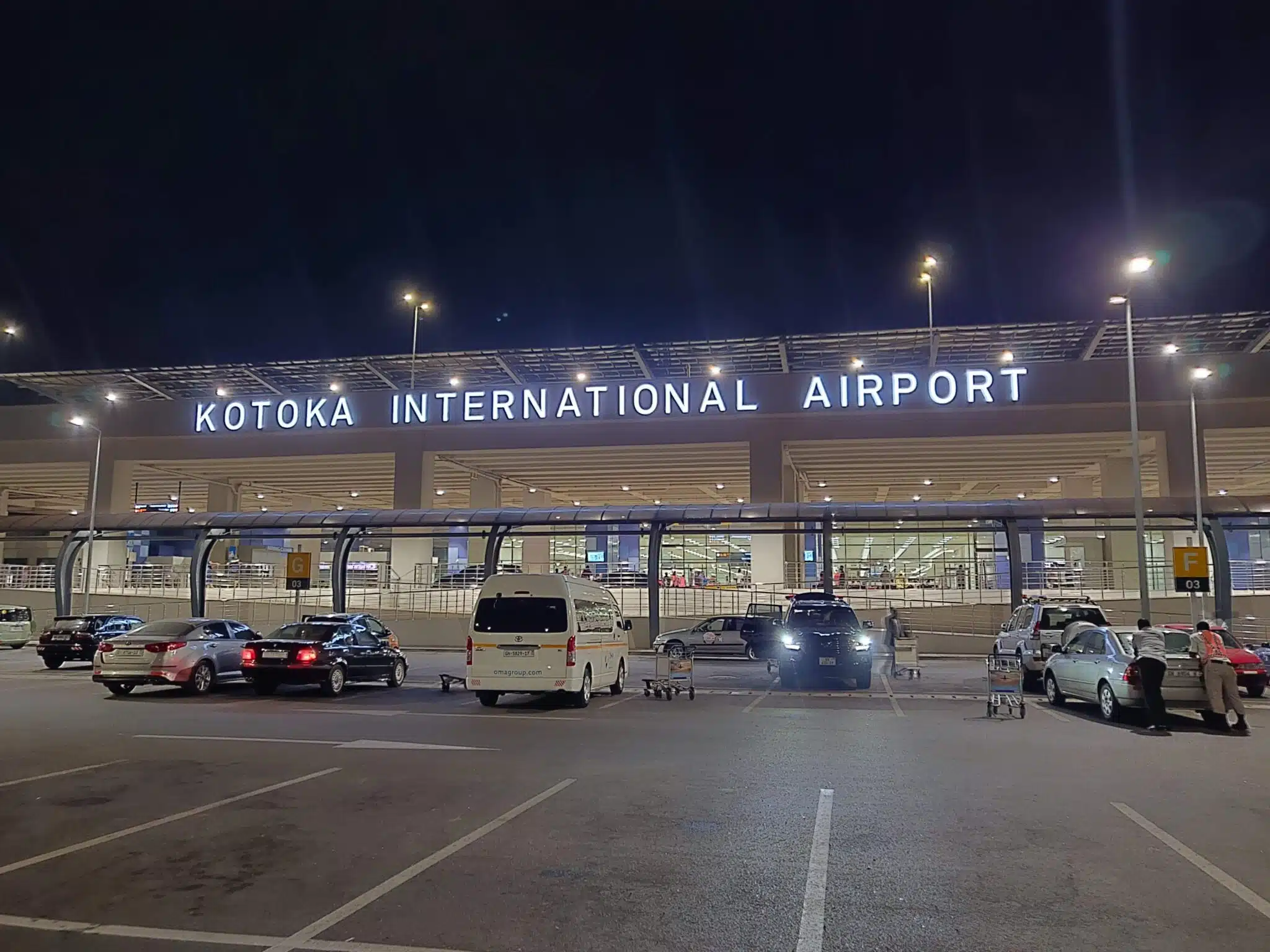
Kotoka International Airport (IATA: ACC, ICAO: DGAA) is a major international airport located in Accra, the vibrant capital city of Ghana. Serving as the sole international gateway to the country, the airport is operated by Ghana Airports Company Limited (GACL), which manages its operations and facilities. The airport has a rich history, originally serving as a military airfield during World War II under the British Royal Air Force. After the war, President Kwame Nkrumah initiated a development project in 1956 to transform the military base into a functional terminal building, completing the project in 1958. At that time, it was known as Accra International Airport, with a capacity of handling 500,000 passengers annually. In 1969, the airport underwent a significant change and was renamed Kotoka International Airport to honor the memory of Lieutenant General Emmanuel Kwasi Kotoka, who played a role in the National Liberation Council. Kotoka tragically lost his life during an unsuccessful coup attempt at the location that now serves as the airport’s forecourt. Kotoka International Airport has witnessed remarkable growth over the years, becoming one of Africa’s leading airports. In 2019, it achieved a milestone by serving a record-breaking 3 million passengers. However, the global impact of the COVID-19 pandemic in 2020 led to a significant decrease in passenger numbers, reaching 1.2 million. Nevertheless, the airport demonstrated resilience, rebounding to 2.8 million passengers by 2022. Presently, the airport plays a crucial role as a hub for Africa World Airlines, a prominent domestic and regional operator, and also serves as a base for domestic operator Passion Air. Kotoka International Airport consists of two passenger terminals, Terminal 2 and Terminal 3. Terminal 2 is dedicated to handling domestic flights within the country, while Terminal 3 caters to regional, international, and long-haul operators. Terminal 1 is currently not in use, but plans are in place to redevelop it into an FBO (Fixed-Base Operator) facility. The construction of Terminal 3, a remarkable project valued at $274 million, commenced on March 1, 2016. The new terminal has a significant capacity, capable of handling up to 5 million passengers annually, with the potential for expansion to accommodate 6.5 million passengers. President John Dramani Mahama and Turkish President Recep Tayyip Erdoğan participated in the groundbreaking ceremony. Terminal 3, equipped with six boarding bridges, three business lounges, and a large commercial and retail area, officially opened its doors to passengers on September 15, 2018. Remarkably, the terminal can also accommodate large aircraft, including the Airbus A380. The excellence of Kotoka International Airport has been widely recognized. The airport has received the prestigious “Best Airport in Africa” award in the category of airports serving 2-5 million passengers annually, consecutively for three years (2019, 2020, and 2021) by the Airports Council International, a testament to its commitment to providing top-notch services and facilities to travelers. READ NEXT ON: History Ghana Airways Limited
The Sneaky Extra Role Game: When Companies Take Advantage of Employees

Picture this: you’re a job-seeking superhero, dressed in your finest professional attire, ready to conquer the corporate world. You’ve prepared your resume, perfected your interview skills, and landed that dream job. But wait, there’s a plot twist! As you step into your new role, you suddenly find yourself assigned not just to one, but two or even three roles! Congratulations, you’ve been cast in “The Sneaky Extra Role Game” by none other than your new company! Now, we all love a good challenge, right? But this is one game that’s testing the limits of fun and fairness. The trouble begins when companies take an employee hired for a specific role and add extra responsibilities, transforming them into a multitasking superhero without any superpowers! Sure, it might sound like a daring adventure, but trust me, it’s not as exhilarating as it seems. Imagine you’re hired as the Marketing Magician, ready to work your magic on campaigns and enchant the customers. But, surprise! You’re also expected to master the art of social media sorcery, slay dragons in data analysis, and even dabble in graphic design wizardry. Whoa! Talk about an unexpected twist in the plot! Sure, it’s all about versatility, they say. But hey, versatility should be recognized and celebrated! It shouldn’t be an excuse to sneakily pile on extra tasks without a fair compensation of appreciation. After all, even superheroes need recognition for their heroics! And let’s not forget about the toll it takes on our superhero’s mental health. With so many hats to wear, it’s easy to feel like you’re running faster than the Flash, trying to save the day for everyone. But even superheroes need some downtime to recharge and relax. Without it, even Batman himself would become a little batty! But fear not, fellow superheroes! There’s hope for a better ending to this tale. Companies need to embrace open and honest communication. Superhero job descriptions should be clear, so you know exactly what you’re signing up for. No more sneaky twists and turns in the plot! And here’s a brilliant idea: why not reward our superheroes for their extra heroics? A little recognition and a token of appreciation can go a long way in keeping our spirits high. After all, we’re not just caped crusaders; we’re also humans who need a pat on the back once in a while! So, dear companies, let’s turn “The Sneaky Extra Role Game” into “The Fair and Fun Work Adventure”! We all want to be the best version of ourselves, but it’s essential to embrace the talents and skills we were initially hired for. No more unexpected plot twists that leave us feeling like we’ve stumbled into a different story altogether. In this workplace wonderland, transparency reigns supreme, communication is king, and superheroes get the recognition they deserve. So, let’s unite as a team of employees and employers, rewriting the script for a fun, fair, and fantastic work environment. Together, we’ll build a world where employees can thrive in their chosen roles, knowing they’re valued, supported, and not burdened with extra tasks without their consent. Let the Sneaky Extra Role Game be a thing of the past, and may our work adventures be filled with excitement, appreciation, and a little sprinkle of magic! WHAT’S OUT THERE: Working in a double role READ NEXT ON: Demystifying Africa’s Tech Lag
10 Ways to Build Resilience and Coping Strategies in Students to Combat Depression

Depression among students is a growing concern in today’s fast-paced and demanding academic environment. The pressure to excel academically, social challenges, and personal struggles can take a toll on students’ mental health. Building resilience and teaching coping strategies are essential in helping students navigate through these challenges and combat depression effectively. By empowering students with these skills, educators and parents can play a crucial role in fostering a mentally healthy and resilient student population. Here are ten techniques to help students build resilience and coping strategies to combat depression: Mental Health Education and Awareness The first step in combatting depression and building resilience is to raise awareness about mental health. Educational institutions should prioritize mental health education, promoting open discussions about mental well-being, depression, and coping strategies. By reducing the stigma associated with mental health issues, students may feel more comfortable seeking help when they need it. Create a Supportive Environment Fostering a supportive and inclusive environment in schools and colleges is vital for students’ mental well-being. Encourage empathy and kindness among students, teachers, and staff. Implement anti-bullying measures and ensure that everyone feels valued and respected within the educational community. Encourage Seeking Help Teach students that seeking help is a sign of strength, not weakness. Promote school counseling services and mental health resources, making them easily accessible to students. By encouraging students to reach out when they are struggling, they are more likely to receive timely support and interventions. Mindfulness and Stress Reduction Techniques Introduce students to mindfulness and stress reduction techniques, such as deep breathing exercises, meditation, and yoga. These practices can help students manage anxiety and stress, enhancing their overall well-being and resilience. Building Social Connections Encourage students to build positive social connections with their peers. Social support can be a powerful buffer against depression. Engage students in group activities, clubs, and extracurricular programs where they can connect with like-minded individuals and form meaningful friendships. Time Management and Goal Setting Teach students effective time management and goal-setting skills. When students can prioritize their tasks and set achievable goals, they feel more in control of their lives, reducing feelings of helplessness and hopelessness. Encourage Healthy Habits Promote healthy lifestyle choices, including regular exercise, balanced nutrition, and sufficient sleep. Physical well-being is closely linked to mental health, and adopting healthy habits can improve students’ resilience and mood. Develop Problem-Solving Skills Help students develop problem-solving skills to navigate challenges effectively. Encourage a growth mindset, where students view setbacks as opportunities for learning and growth. Teaching students how to break down problems into manageable steps and explore potential solutions builds their resilience and adaptive abilities. Foster Positive Self-Talk Guide students to challenge negative self-talk and cultivate a more positive and compassionate inner dialogue. Negative self-talk can exacerbate feelings of depression and diminish resilience. Encouraging self-compassion and self-acceptance can lead to improved mental well-being. Cultivate Emotional Intelligence Teach students to recognize and express their emotions effectively. Emotional intelligence enables students to understand their feelings, manage them appropriately, and empathize with others. By nurturing emotional intelligence, students can develop better-coping mechanisms when facing challenging situations. Building resilience and teaching coping strategies to combat depression is a collective effort that involves educators, parents, and the wider community. By creating a supportive environment, fostering social connections, and promoting mental health awareness, educational institutions can help students develop the necessary skills to navigate through life’s challenges effectively. Encouraging help-seeking behaviors, teaching stress reduction techniques, and promoting healthy lifestyle habits further contribute to students’ mental well-being and overall resilience. By prioritizing mental health and resilience in educational settings, we can empower students to face adversity with strength and courage, ultimately leading to a more mentally healthy and successful future generation. WHAT’S OUT THERE: 10 Ways to Cope With Depression READ NEXT ON: 10 Effective Communication and Listening Skills for Supporting Depressed Students
8 Significance of Social Media in Crisis Communication

In today’s hyperconnected world, social media has emerged as a powerful tool for communication, networking, and information sharing. While it has transformed the way we interact and access information, it has also proven to be a valuable asset in crisis communication. During times of emergencies, disasters, or other critical events, social media can play a vital role in disseminating real-time information, coordinating response efforts, and engaging with affected communities. This article explores the significance of social media in crisis communication and how organizations can effectively harness its potential during challenging times. Real-Time Information Dissemination One of the most significant advantages of social media in crisis communication is its ability to disseminate real-time information. In the past, traditional media outlets served as the primary source of news during emergencies. However, social media platforms now allow individuals and organizations to share updates instantly. This speed is crucial during critical events when timely information can save lives, inform the public about safety measures, and provide essential instructions. Government agencies, emergency services, and organizations can use social media to publish updates, advisories, and warnings. They can reach a broader audience quickly and effectively, ensuring that vital information reaches as many people as possible. Two-Way Communication Unlike traditional media, social media facilitates two-way communication, allowing for direct engagement with the public. During crises, affected individuals can share their experiences, ask questions, and seek assistance through various social media channels. Organizations can respond promptly, address concerns, and provide support in real-time. This direct communication fosters transparency and trust, showing that authorities and organizations are actively engaged and responsive to the needs of the affected population. It also enables authorities to gather valuable feedback and insights from the ground, helping them refine their crisis response strategies. Amplification of Messages Social media’s viral nature allows information to spread rapidly across networks. By utilizing hashtags and encouraging sharing, organizations can amplify their crisis-related messages and reach a broader audience. This creates a ripple effect, as users share information with their followers, who, in turn, share it with theirs. However, this power of amplification also comes with challenges, as misinformation and rumors can spread just as quickly. Organizations must exercise caution, verify information before sharing, and correct any inaccuracies promptly. Humanizing Crisis Response Social media humanizes crisis response efforts by putting a face to the responders and organizations involved. Emergency services, NGOs, and government agencies can showcase the efforts of their teams, provide behind-the-scenes glimpses, and share stories of resilience and heroism during challenging times. By humanizing the response, social media can evoke empathy and compassion, encouraging the public to support relief efforts and come together as a community. Citizen Journalism and User-Generated Content During crises, social media often witnesses the rise of citizen journalism, where individuals on the ground become accidental reporters. People capture photos, videos, and firsthand accounts of events as they unfold and share them on social platforms. This user-generated content can be a valuable supplement to traditional news coverage, providing different perspectives and real-time updates from various locations. Organizations can curate and verify user-generated content to gain a more comprehensive understanding of the situation and use it in their crisis communication strategies. Monitoring and Situational Awareness Social media platforms serve as a valuable tool for monitoring and gaining situational awareness during crises. By tracking hashtags, keywords, and mentions related to the event, organizations can gauge public sentiment, identify emerging issues, and respond proactively to rumors and misinformation. Additionally, social media can help authorities understand the impact of the crisis on communities, allowing them to allocate resources more efficiently and effectively. Establishing Community Support During crises, affected communities often come together on social media platforms to support each other. People offer assistance, share resources, and provide emotional support to those in need. Organizations can facilitate and participate in these conversations, connecting those who require help with those who can provide it. This sense of community support can alleviate feelings of isolation and despair, fostering a sense of unity and resilience in the face of adversity. Creating Preparedness Campaigns Social media is not only essential during a crisis but also before one occurs. Organizations can use these platforms to create preparedness campaigns, educating the public about potential risks, safety measures, and evacuation procedures. By proactively engaging with the audience on social media, organizations can help build a culture of preparedness, ensuring that individuals are better equipped to handle emergencies when they arise. In conclusion, social media has become an indispensable tool for crisis communication, providing real-time information dissemination, enabling two-way communication, amplifying messages, humanizing responses, and fostering community support. However, with its power to spread both accurate information and misinformation, organizations must use social media responsibly, ensuring that they verify information before sharing and correcting any inaccuracies promptly. By effectively harnessing the potential of social media during critical times, organizations can enhance their crisis response efforts and better serve their communities. WHAT’S OUT THERE: Social Media Crisis Communication: A Complete Guide [2023] READ NEXT ON: 5 Ethical Considerations in Crisis Communication
7 Tips for Creating Effective Infographics
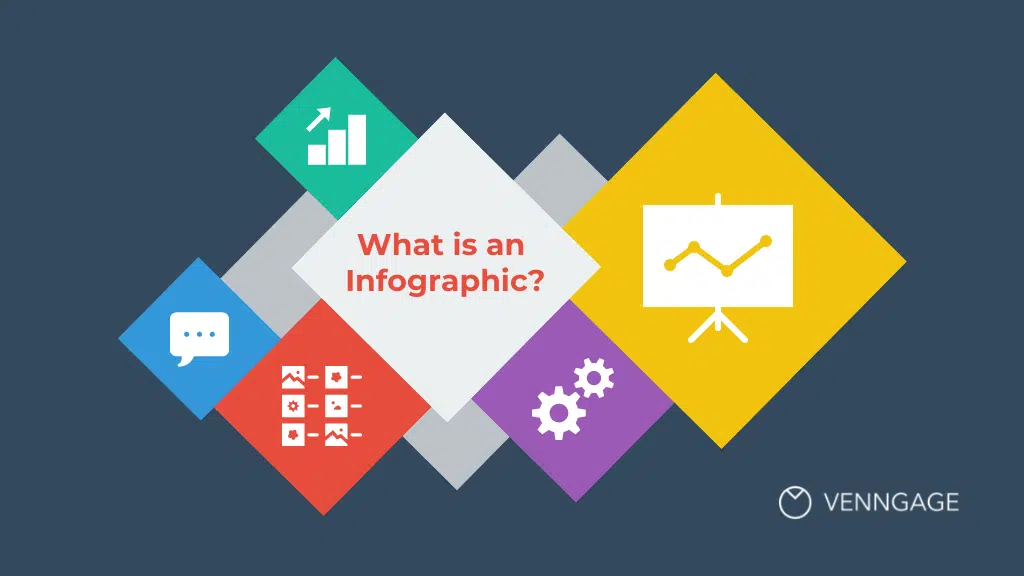
Infographics have become a popular and powerful tool for presenting information in a visually engaging and digestible way. As attention spans shorten and data overload becomes more prevalent, the ability to communicate complex ideas quickly and effectively has become paramount. Creating effective infographics can help you capture your audience’s attention, convey your message clearly, and make a lasting impact. Here are seven essential tips to help you design compelling infographics that leave a lasting impression: 1. Define Your Purpose and Audience Before you start creating an infographic, it’s crucial to define your purpose and identify your target audience. Clearly outline what message you want to convey and what action you want your audience to take after viewing the infographic. Understanding your audience’s interests, needs, and preferences will enable you to tailor your design to resonate with them effectively. 2. Keep it Simple and Focused The essence of a successful infographic lies in its simplicity. Avoid cramming excessive data or complex visuals into a single design. Focus on presenting one central idea or message per infographic. Choose the most relevant data points, statistics, or insights that support your message and leave out the rest. A clean and uncluttered design will help your audience grasp the information quickly and retain it better. 3. Choose an Eye-Catching Layout The layout of your infographic plays a crucial role in attracting and retaining your audience’s attention. Opt for a visually appealing and well-structured design that guides the viewer’s eye from top to bottom. Use a compelling headline and subheadings to break down the information into easily digestible sections. Incorporate icons, illustrations, and charts strategically to complement the content and make it visually engaging. 4. Color and Visual Hierarchy Color selection is essential in creating effective infographics. Choose a color palette that aligns with your brand and evokes the right emotions. Utilize contrasting colors to highlight key points or data, making it easier for your audience to differentiate between sections. Create a visual hierarchy by using varying font sizes and styles to emphasize important information. Ensure that the layout guides the viewer’s eyes in a logical flow to avoid confusion. 5. Storytelling with Data Infographics should tell a story and not just present data. Integrate storytelling elements to give context and meaning to the information you’re presenting. Use a combination of text and visuals to build a narrative that captivates your audience. A compelling narrative will not only keep your viewers engaged but also enhance their understanding and retention of the information. 6. Mobile-Friendly Design With the increasing use of smartphones and tablets, it’s essential to ensure your infographics are mobile-friendly. Test your designs on various devices to ensure they are easily readable and navigable. Avoid using small fonts or cramming too much content into a small space. A responsive design will enable you to reach a wider audience and enhance the overall user experience. 7. Cite Sources and Data Incorporating data and statistics into your infographics adds credibility and authority to your message. Always ensure you use accurate and up-to-date information from reliable sources. Include citations or references for the data you use to give credit and allow your audience to verify the information themselves. Transparency in data sources helps build trust with your audience and establishes you as a credible source of information. In conclusion, creating effective infographics requires a thoughtful approach that aligns with your purpose, audience, and brand. Keeping your design simple, focused, and visually appealing, along with incorporating storytelling elements and accurate data, will help you deliver a powerful message that resonates with your audience. By following these seven tips, you can create infographics that leave a lasting impact and elevate your communication strategy to new heights. So, get creative and start crafting infographics that communicate your ideas with clarity and style! WHAT’S OUT THERE: Top 10 tips for creating a successful infographic READ NEXT ON: 7 Ways to Incorporate Illustrations into Your Graphic Designs
Gwollu Defence Wall
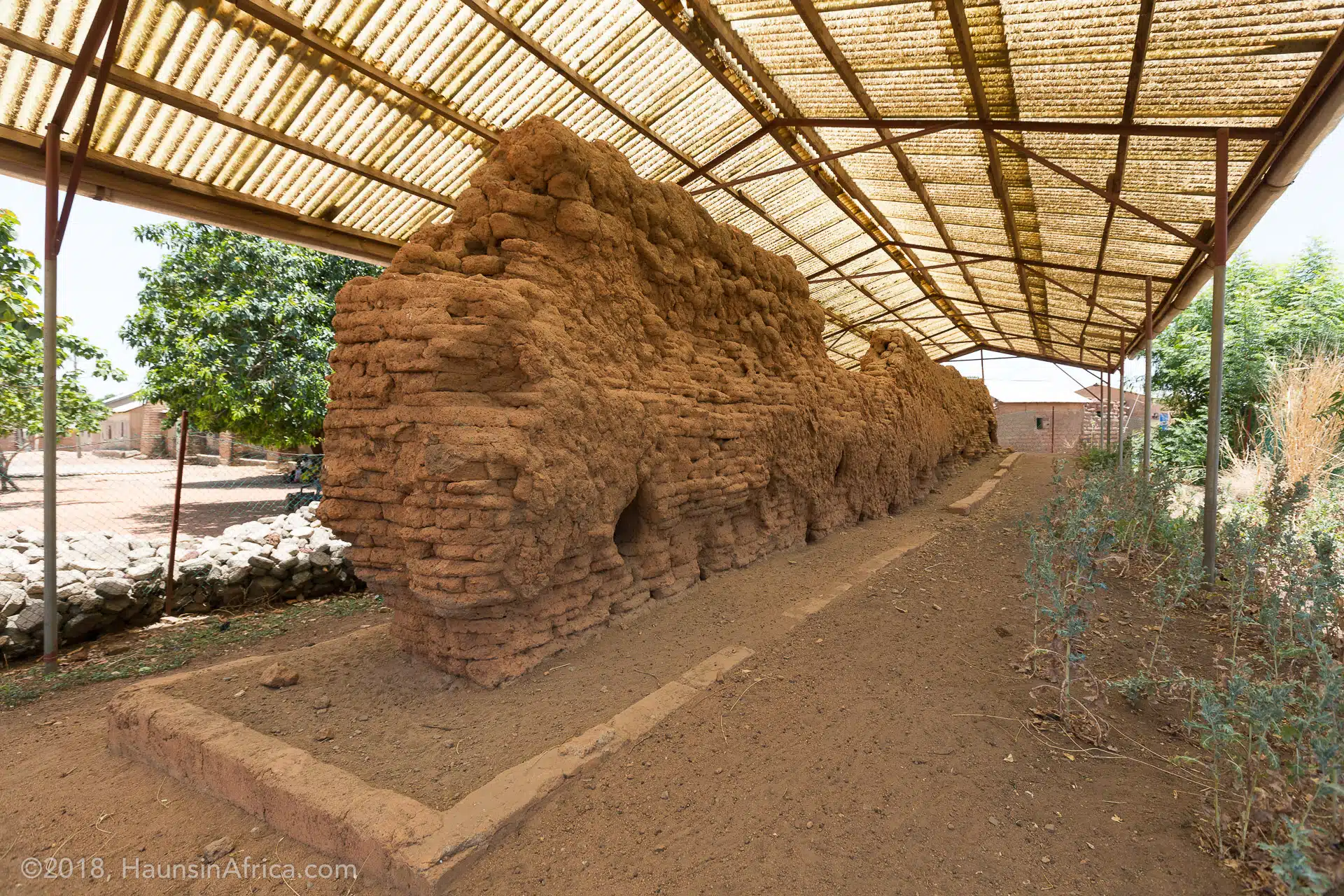
The Gwollu Defence Wall, located in the Upper West Region of Ghana near the Burkina Faso-Mali border, stands as a powerful reminder of the country’s tumultuous past and the resilience of its people against the horrors of the slave trade. This historic wall was constructed in the 19th century under the leadership of Gwollu Koro Limann, serving as a formidable defense against the brutal raids of slave traders and warlords. History of the Gwollu Defence Wall The 19th century was a dark period in Ghana’s history, marked by the heinous transatlantic slave trade that ravaged countless lives and communities. In response to the relentless attacks and raids carried out by infamous warlords such as Babatu and Samori, Gwollu Koro Limann, a visionary leader, took decisive action to protect his people and their way of life. Constructed over several years, the Gwollu Defence Wall https://en.wikipedia.org/wiki/Gwollu_Defence_Wallwas part of a larger network of fortifications built to safeguard the region from the scourge of slave traders. The wall served a twofold purpose: one segment encircled the homes of the community, providing a fortified defense against external threats, while the other section protected the valuable farmlands and vital bodies of water, ensuring the sustenance and survival of the people. The Tenacity of Gwollu Koro Limann Under the guidance and leadership of Gwollu Koro Limann, the construction of the wall was a formidable feat of engineering and determination. The wall’s design and construction were no simple task, requiring the collective efforts of the community. The project stretched over a span of 10 to 25 years for each section, highlighting the immense dedication and perseverance of the people of Gwollu in the face of adversity. Legacy of the Slave Trade The Gwollu Defence Wall stands as one of the many relics of the dark era of the slave trade. It bears witness to the harsh realities of history and serves as a poignant symbol of the resistance and resilience displayed by the people of Ghana during those trying times. While the walls were never completed, they served as a potent deterrent against the relentless slave traders who sought to exploit and devastate the lives of innocent individuals. Abandonment and the End of the Atlantic Slave Trade As the Atlantic slave trade was eventually abolished, the need for such extensive fortifications diminished. Though the walls were no longer fully necessary, local slave traders still posed a threat to the region. Despite the challenges, the people of Gwollu demonstrated remarkable strength and determination in preserving their culture and way of life. Preservation of the Gwollu Defence Wall Today, the Gwollu Defence Wall stands as a historic treasure and a testament to Ghana’s resilience and strength. It has been recognized as a significant cultural site and attracts visitors from around the world who seek to understand and pay homage to the nation’s past. READ NEXT ON: Salaga Slave Market
Melody Millicent Danquah, Ghana’s First Female Pilot

Melody Millicent Danquah (6 January 1937 – 18 March 2016) made history as the first female pilot in Ghana and one of the earliest in Africa. Hailing from Larteh Akuapem, she began her pioneering journey in aviation, following in the footsteps of Lotfia Elnadi, the first Egyptian woman and African to earn a pilot’s license in 1933. Educated at Methodist schools in Larteh and Wesley Girls High School in Cape Coast, Melody further honed her skills at the Government Secretarial School. In 1963, she was selected as one of the first three women to undergo pilot training in the Ghana Air Force. Successfully completing her training, she made her solo flight in a de Havilland Canada DHC-1 Chipmunk aircraft on 22 June 1964, becoming the first Ghanaian to fly solo. In 1965, she qualified as a pilot and received her Wings from the Minister of Defence, Kofi Baako. Melody’s flying career concluded in 1968, transitioning into administrative work in the Force until her retirement in 1984 due to health reasons. Her contributions were acknowledged with a Long Service award and The Efficiency Medal. Post-military service, Melody worked with the World Food Programme and the National Service Secretariat. At the age of 60, she obtained a Diploma in Bible Studies and Theology, embarking on a new journey as a preacher to military audiences. She later joined the board of directors for the Ghana Institute of Management and Public Administration. In 2006, she was honored with The Companion of the Order of the Volta by President John Kufuor for her courage and pioneering spirit. Melody’s remarkable achievements were acknowledged during the 2017 International Women’s Day celebrations, where she was lauded as an inspiration to women by Mrs. Rebeca Akufo-Addo, the first lady of Ghana. The “Melody,” an ultramodern building facility for the Psychiatry Department of the University of Ghana Medical School at Korle-Bu in Accra, bears her name as a tribute to her enduring legacy. This tribute is particularly meaningful as Melody experienced challenges with depression during and after her active service, making her an even more significant symbol of strength and resilience. READ NEXT ON: Felicia Abban, Ghana’s First Female Professional Photographer