Are Best Friends Really Necessary?
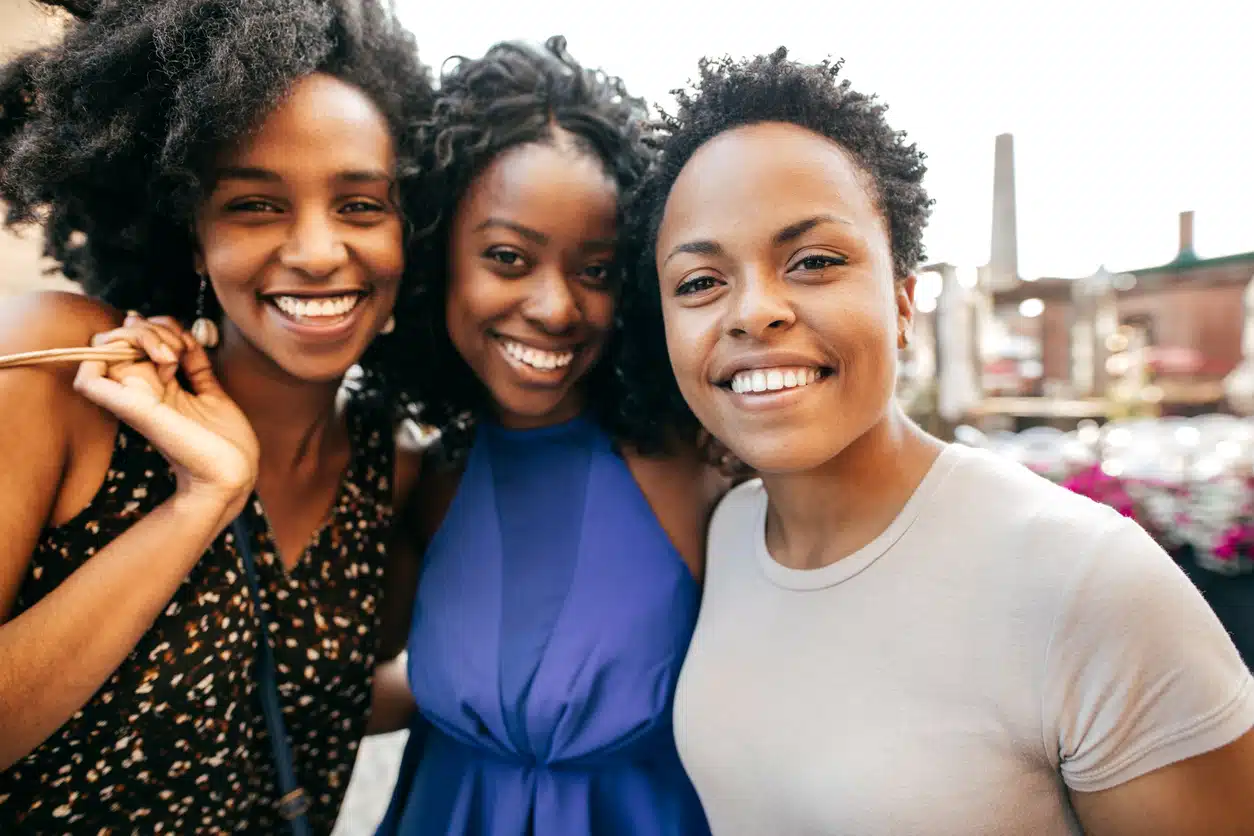
As humans, we all crave some form of companionship and social interaction, but the level and form of that interaction varies from person to person. Having a best friend can be a great source of comfort, support, and happiness, but it is not an absolute necessity for everyone. Some people may prefer to have several close friends, while others may choose to keep a larger social circle without any particular close bonds. It is important to understand and respect individual differences in social needs and preferences. While having a best friend is not necessary, studies have shown that having strong, healthy relationships with others can have a significant positive impact on our overall well-being. Friendships can provide emotional support, reduce stress levels, and improve mental health. Having someone to confide in and share life’s experiences with can also increase feelings of happiness and fulfillment. However, it is important to note that not all friendships are equal, and not all best friends are created equally. It is important to cultivate and maintain relationships that are healthy, positive, and supportive. Toxic or negative friendships can do more harm than good, and it is essential to recognize when it is time to let go of those relationships. Ultimately, the decision of whether or not to have a best friend is a personal one, and there is no right or wrong answer. It is important to prioritize relationships that bring us joy, comfort, and support, whether that means having a best friend, several close friends, or a larger social circle. What matters most is that we are able to form meaningful connections with others and find the social support we need to live happy, fulfilling lives. READ NEXT ON: Dealing with betrayal from a friend
Suntaa Beach Boxx

Located in the heart of one of the most picturesque beaches in the Greater Accra Region is Suntaa Beach Boxx, a beachfront community made up of carefully crafted and environmentally conscious modular cabins. The community is situated next to the small fishing community of Langma-Kokrobite, about an hour’s drive from the bustling city of Accra, Ghana. Suntaa Beach Boxx offers unparalleled private beach-front experiences with the primary goal of providing a serene home away from home with a panoramic view of the Atlantic Ocean, hence their motto “Ocean at your feet.” It is the perfect getaway spot to wind down and relax, away from the hustle and bustle of the city. The community boasts 12 Standard Camper Units, 1 Camper Deluxe, and 1 Duplex Cabin, each fitted with a kitchenette, a living room, and a private deck. The bedrooms are equipped with a queen size bed and wardrobe, a bathroom with shower, sink, and WC with hot water available. The kitchenette comes with a fridge, sink, cooktop, and other amenities to make meal preparation easy. The living area features a comfortable sofa, a TV stand, and a 49-inch smart TV with DSTV access. Each cabin is entirely self-service and private, with 24-hour security and WiFi access. The community provides a seamless connection with nature, with panoramic views of the Atlantic Ocean and direct access to the beach. Additionally, each cabin has a beachfront terrace with a private deck, perfect for watching the sunset or enjoying a quiet moment by the ocean. Suntaa Beach Boxx is an oasis of relaxation and comfort that offers the perfect blend of luxury and nature. If you’re looking for a unique and unforgettable beachfront experience, Suntaa Beach Boxx is waiting for you! READ NEXT ON: Vacationing during the showering season: Enjoying waterfalls in Ghana
Vacationing during the showering season: Enjoying waterfalls in Ghana

‘Raining seasons are the best!’ says our younger selves. It was always fun to sneak under the rains for a good drenching just before we are caught and placed under a ‘lockdown’ by our parents. Growing up, we gradually lose interest or ‘mature’ out of these fun moments as we try to maneuver our way through life. Once in a while, we hope to take a chill break from our monotonous work schedules to relax and recuperate. And doing this during the wet season usually doesn’t seem like a good idea. However, visiting a waterfall is one of the best locations to choose for a tour during the rainy season. This is due to the fact that in wet weather, a river or stream that is ordinarily a trickle might become a forest of water. Offering a better view and experience of the place. In Ghana, the heaviest rain in the South is from April to June. The lighter rain spans from September to October. Ghana is home to several major waterfalls that are popular tourist destinations, and there are many smaller waterfalls and cascades scattered through the mountainous terrain. Here is a list of places you could visit; Amedzofe Waterfall The Amedzofe waterfall is known for its cool and pleasant climate. The waterfall is located in a town called Amedzofe in the Volta region, a hub for many tourist sites. It is about a 3-hour drive from the capital city of Accra. The waterfall drops from a height of around 35 meters into a lovely pool at the bottom, where tourists can swim and relax. Picnic tables and benches have been made available in the surrounding area for tourists to sit and enjoy the view. Visitors must take a short trek through the lush forest to reach the waterfall, which gives stunning views of the surrounding hills and valleys. Ote Falls Ote Falls is a lesser-known tourist site in Ghana, but it is an excellent choice for anyone seeking a calm and serene vacation. The site is filled with a variety of fauna and vegetation. It’s best to go during the rainy season (April to October) when the waterfall is at its peak. It is advisable to wear sturdy hiking shoes and carry lots of water and sunscreen, as the hike can be steep and strenuous in places. Boti Waterfall Boti Waterfall is a popular tourist site in Ghana and is frequently included in tour packages of the Eastern Region. It takes about a 2-hour drive from Accra to get to the destination. The lower falls cascade around 30 meters into a refreshing pool, while the upper falls cascade down a series of steps and rocks. The waterfall is located in the Boti Forest Reserve, which is home to a diverse range of fauna and flora. Hiking through the forest leads to the waterfall, where visitors can swim, relax, and take in the view. The “Falls Festival” which takes place every August during the rainy season is one of Boti Waterfalls’ distinguishing features. Kintampo Falls Kintampo Falls is located in the Brong Ahafo region, around a 4-hour drive from Accra, Ghana’s capital city. It is a stunning waterfall on the Pumpum River, surrounded by a luxuriant tropical jungle. The waterfall is around 70 meters wide and falls from a height of approximately 25 meters into a big pool at the bottom, where tourists can swim and rest. To reach the waterfall, visitors must take a short walk down a well-maintained trail with steps and handrails. The area’s stunning flora and fauna can be admired along the trip. Wli Waterfall With a total height of approximately 80 meters (262 feet), the Wli waterfall is known as Ghana’s highest waterfall. Hiking through the lush forest for 45 minutes to an hour is normally required to reach the waterfalls. Beautiful scenery and the sounds of birds and other wildlife can be found along the journey. Visitors can swim in the cold pool at the base of the falls, snap photos, or simply relax and enjoy the natural surroundings once they arrive at the waterfall. Wli Waterfall is a popular attraction for both locals and visitors, and it is frequently included in Volta Region trip packages. Tagbo Waterfall Tagbo Waterfall is a beautiful waterfall in Liati Wote in the Volta Region. Surrounded by rainforest, the place provides scenic views for visitors.It is located close to Mount Afadja, the tallest mountain in Ghana. Fuller Falls This beautiful waterfall is located in Kintampo. Though with a comparatively shorter height, its scenic view is worth the visit. It is surrounded by a beautiful forest and offers a place for swimming and picnicking. Other comparatively smaller falls include Asenema Waterfall, Akaa Waterfall, and Tsenku Waterfall. Tips: Pack accordingly, Clothing should be fast drying, Wear comfortable hiking shoes, Luggage should withstand unexpected drenching, take along your sunscreen and repellent, and don’t forget to carry a camera along to capture all the beautiful memories you’ll make on your visit. READ NEXT ON: Keta Lagoon: Ghana’s Largest Coastal Lagoon
Asaadua Dance

Asaadua Dance is a vibrant and joyful recreational dance music that originated among the Akan people of Ghana. Its name is derived from the Asaa tree, which is known for its sweet fruits and is commonly found in the forest regions of Ghana. The dance’s name reflects the gay and pleasant nature of the dance, as it is meant to be an enjoyable and pleasurable experience for all who participate. This Akan dance is particularly popular in the Ashanti and Brong Ahafo regions of Ghana, and it features seven basic instrumental parts. These include the iron double bell known as the nnawuta, the hollow boat-shaped iron bell called the kete dawuro, the metal castanet known as frikviwa, the hollow gourd rattle with beads inside called the ntrowa, and three tamalin frame drums of high, medium, and low pitch. The nnawuta, which is also known as the gankogui among the Ewe people, is played with a wooden stick and produces both high and low tones. The dawuro, which is called toke among the Ewe, is struck with a metal rod and produces both open and muted sounds. The mute sounds are created by pressing the rod against the dawuro’s surface after a stroke, in the same manner as drum mute sounds. The frikyiwa is held in the hand and played with a circular metal ring, emitting a sharp and clear tone. The ntrowa, which is also held in the hand and played with a circular motion by rotating the wrist, has a softer sound than the axatse gourd rattle, which employs netted beads around its external surface. Finally, the tamalin consists of a rectangular wooden frame across which is stretched a gut head, with the large drum producing a lower pitch than the small drum. Each tamalin is struck with one hand and played with the other, and open resonant and closed or muted tones are sounded for each drum. Muted tones are higher in pitch than open tones. Asaadua is not just a dance but a way of life for the Akan people. It is often performed at community events, festivals, and other celebrations, and it is a reflection of the people’s cultural identity and heritage. The dance and its accompanying music continue to thrive in Ghana and around the world, providing a source of joy and inspiration for all who experience it. READ NEXT ON: The Bamaya Dance
History of Pope John Senior High School and Minor Seminary

Pope John Senior High School and Minor Seminary (formerly St John’s Seminary and College, or POJOSS) is an all-boys boarding school in Koforidua, Ghana. Founded in 1958 as a Catholic seminary for boys wishing to become priests, POJOSS offers courses in general arts, general science, business, and visual arts. Graduates take the West African Senior School Certificate Examination to gain entry to tertiary institutions. The school, with a student body of approximately 2,100 boys, has a rich history of producing successful alumni known as Pojoba or Daasebre. History In 1953, Bishop Joseph Oliver Bowers SVD visited the New Juabeng Traditional Area in Ghana for his first pastoral visit. During his discussions with the area’s chief, Nana Frempong Mposo II, the Roman Catholic Church mission acquired land at Effiduase in Koforidua. In 1955, Bishop Bowers decided to build a junior seminary for the Diocese of Accra on that land. The first buildings, including a classroom block and a combined Fathers’ residence and administrative block, were constructed by Fr. Jude SVD, Dr. Balduricus, and Dr. Lucian Orians. In 1957, the first Science Block was built by Dr. Damian Brockmann SVD, which was later replaced by Elsbend House, a dormitory named after the first headmaster. In 1958, Rev. Fr. Alphonse Elsbend was appointed as the first Headmaster and Seminary Rector, and the school’s chapel was constructed the same year. In 1958, with 14 seminarians and 31-day students, St. John’s Seminary and College opened under the leadership of 3 SVD priests and one Ghanaian lay teacher named Mr. Paul Ohene-Boakye. The school received electricity in June of the same year at a cost of 45 pounds. The first Speech and Prize-Giving Day was held on July 20, 1961, with 23 seminarians and 90-day students in attendance. Pius Kpeglo, the senior prefect of the seminary and school, left for Germany on a scholarship to study Philosophy and Theology at the Diocesan Seminary in Regensburg, after being successful in his G.C.E. exams. Initially established in 1958, St. John’s College was a private Catholic institution funded by the Catholic Diocese of Accra and student fees. However, due to the high operational costs, the second Headmaster, Father Fredrischs, sought approval from Bishop Bowers to integrate the school into the Public Education System of the Ministry of Education of Ghana. Thus, on September 1, 1968, St. John Seminary and College became a government-assisted secondary school under the Ghana Education Service. To avoid confusion with other Catholic schools named “St. John,” the school was renamed Pope John Secondary School and Junior Seminary, in memory of Pope John XXIII who had recently called the Second Vatican Council. The 2007 education reform in Ghana resulted in the school being renamed Pope John Senior High School and Minor Seminary. Notable Alumni Clergy Politics, Government, and Public Policy Law Enforcement Academia Corporate, Business, and Finance Arts and Entertainment READ NEXT ON: https://www.sophiaapenkro.com/history-of-accra-academy/
Amy Tetteh Wins 2023 World Art Day Challenge

Amy Tetteh, a self-taught multimedia artist, has won the 2023 World Art Day Painting and Textiles challenge organized by the Women’s Arts Institute Africa (wAiA) in Accra. The event was held on April 29, 2023, at the Airport residential area in Accra. Amy Tetteh, with over 10 years of experience in the visual arts, specializes in a wide range of creative endeavors, including illustrations for books, children’s books, posters, comic and cartoon drawings, character design, album covers, custom design, and merchandise. Her work caught the attention of the judges, who acknowledged that it met significant elements of painting and that she delivered on the theme of the challenge, “Symbiosis of feminine energy, the sun, and water.” The President of wAi Africa, Akwele Suma Glory, announced Amy Tetteh as the winner and commended her for her artistic talent and creativity. In presenting the award, Madam Franka-Maria, the founder of Antique Lemonade Concept Store, expressed her pride in Amy’s work and urged her to continue sharing her gifts with others. During her acceptance interview, Amy Tetteh revealed that the challenge’s theme resonated with her works’ themes and that she came into the competition determined to win. Though it was her first live painting, she was able to overcome her fears and produce an outstanding masterpiece. The judges of the competition, comprising Madam Akwele Suma Glory, President of wAi Africa, Joana Lekia Nelson, CEO of Craftsman Studio, and Madam Yaa Asabea Ntiri Owusu, CEO of ASA-YA-NTI Clothing, assessed the contestants based on their interpretation of the theme, purpose, technique, personal expression, creativity, and organization. Barbara Butler, a painter and professional nurse, emerged as the first runner-up, while Mabel Amoako, a graduate of Ghanatta College of Arts and Designs, came in as the second runner-up. The awards were presented by Mr. Robert Patrtick Andoh and Sylvia Aseidu, manager of Josie Cuppa Cappuccino, respectively. The competition also featured other talented artists such as Emmanuella Addico, Ruth Adjanor, Samoah Pokua Sandra, Sena Ahadji, Mensah Naa Korkor Rebecca, Agboli Christiana, Eunice Lamptey, Dorothy Kyeraah, Ahadji Makafui, who showcased their creative prowess. The younger artists, Nana Yaa Ntiri Owusu and Akosua Ntiri Owusu provided support to the contestants, while the coordinator of the challenge, Yaganoma Baatuolkuu, encouraged them to express their understanding of the theme on canvas. The challenge theme focused on the feminine energy of the sun and water, highlighting their symbiotic relationship in which the sun’s warmth and light provide nourishment for growth, while the water’s cool and reflective energy provides a calm and nurturing environment to promote growth. READ NEXT ON: Carlos Calony named Best Journalism Student at UniMAC Graduation
Dealing with betrayal from a friend

Betrayal from a friend can be one of the most difficult experiences to navigate. It can leave you feeling hurt, confused, and uncertain about the future of the relationship. However, it’s important to take a step back and focus on how you can move forward in a healthy way. The first step in dealing with betrayal is to acknowledge your feelings. It’s natural to feel hurt, angry, or even betrayed. Don’t try to push your emotions aside or pretend they don’t exist. Instead, allow yourself to feel them and process them in a healthy way. This could mean talking to a trusted friend or family member, journaling, or seeking the help of a therapist. It may also be helpful to talk to your friend about what happened. Be honest and direct about how their actions made you feel, and ask them to explain their behavior. Keep in mind that their perspective may be different from yours, and it’s important to try to see things from their point of view as well. This can help you gain a better understanding of what happened and how to move forward. If your friend’s actions were particularly hurtful, it may be necessary to set boundaries. This could mean taking a break from the friendship or setting specific limits on how you interact with your friend. Communicate these boundaries clearly and respectfully, and be prepared to enforce them if necessary. Remember that setting boundaries is not a sign of weakness, but rather a way to protect yourself and prioritize your own well-being. Dealing with betrayal can be a lonely experience, but it’s important to seek support from others. This could mean talking to a trusted friend, family member, or therapist. Talking about your feelings with someone you trust can help you process your emotions and find a path forward. It’s also important to practice self-care during this time. This could mean engaging in activities you enjoy, prioritizing sleep and exercise, or taking a break from social media. Forgiveness can be a powerful tool in healing from betrayal, but it’s important to remember that forgiveness doesn’t mean forgetting what happened or excusing your friend’s behavior. It means letting go of anger and resentment and moving forward with the relationship, if that’s what you choose to do. Forgiveness is a personal decision, and it’s okay if you’re not ready to forgive right away. While your friend’s betrayal may have been hurtful, it’s important to take responsibility for your own actions and emotions. Consider whether there were any patterns in the relationship that may have contributed to the betrayal, and think about how you can work on these patterns in the future. This can help you grow as a person and improve your relationships with others. Ultimately, the goal of dealing with betrayal is to move forward in a healthy way. This may mean ending the friendship, repairing the relationship, or finding closure and moving on. Whatever path you choose, focus on creating a positive and fulfilling life for yourself. Remember that healing takes time, and be patient and compassionate with yourself as you navigate this difficult experience. In conclusion, dealing with betrayal from a friend can be a painful and challenging experience. However, by acknowledging your feelings, talking to your friend, setting boundaries, seeking support, practicing self-care, forgiving, taking responsibility for your own actions, learning from the experience, and moving forward, you can heal and find a path forward. Remember that healing takes time, and be patient and kind to yourself as you work through this difficult time. READ NEXT ON: What it means: “Friends can make you or mar you”
10 Ways to Address Toxic Behaviors in the Workplace

Dealing with toxic behaviors in the workplace can be challenging for any organization. Not only can it negatively impact productivity and employee morale, but it can also damage the overall company culture. That’s why it’s crucial to have effective strategies in place to address these issues head-on. Here are ten ways to tackle toxic behaviors in the workplace: Firstly, it’s important to set clear expectations for your employees. By providing a code of conduct, employee handbooks, and training sessions, you can outline what is considered appropriate behavior in the workplace. This step is crucial as it can help reduce the chances of employees engaging in toxic behavior. Secondly, leaders and managers play an important role in creating a positive work environment. It’s important to lead by example and model the behavior you expect from your employees. If you engage in toxic behavior, it sends the wrong message to your team, and they are more likely to engage in such behavior as well. Thirdly, encourage open communication between your employees. Make it clear that employees can report toxic behavior incidents without fear of retaliation. By fostering a safe space for employees to speak up and address issues, you create an environment where toxic behavior can be identified and addressed before it escalates. Fourthly, it’s important to respond quickly to toxic behavior incidents. Gather evidence, investigate the incident, and take appropriate action. This shows employees that the organization takes such behavior seriously and will not tolerate it. Fifthly, provide support to victims of toxic behavior. Victims may feel unsupported and alone, so it’s crucial to provide access to resources such as counseling or an employee assistance program. This shows that the organization cares about the victim’s well-being and is committed to supporting them. Sixthly, provide training to employees on how to recognize and respond to toxic behavior. This training can include conflict resolution, emotional intelligence, and effective communication skills. This equips employees with the skills they need to navigate difficult situations and relationships in the workplace. Seventhly, foster a positive workplace culture that promotes collaboration, respect, and positivity. Celebrate successes, promote teamwork, and encourage employees to treat each other with kindness and empathy. By doing so, you can counteract toxic behavior and create a more inclusive and supportive workplace environment. Eighthly, implement a zero-tolerance policy for toxic behavior in the workplace. Make it clear that such behavior will not be tolerated, and there will be consequences for employees who engage in it. This sends a message to employees that the organization takes such behavior seriously and is committed to creating a safe and respectful workplace. Ninthly, hold employees accountable for their actions when incidents of toxic behavior occur. This can include disciplinary action such as verbal or written warnings or termination, depending on the severity of the behavior. This shows employees that their behavior has consequences, and the organization is committed to enforcing its policies. Lastly, continuously monitor and evaluate the effectiveness of your strategies to address toxic behavior in the workplace. Collect feedback from employees, analyze data on incident reports, and review the outcomes of disciplinary actions. This information can help make necessary changes and adjustments to your strategies as needed. In conclusion, addressing toxic behavior in the workplace requires a comprehensive approach. By setting clear expectations, leading by example, encouraging open communication, responding quickly, providing support to victims, providing training, fostering a positive workplace culture, implementing a zero-tolerance policy, holding employees accountable, and continuously monitoring and evaluating, organizations can create a safe, respectful, and productive workplace environment for all employees. Remember, tackling toxic behavior in the workplace is an ongoing process, and it’s crucial to stay vigilant and responsive to create a healthy and positive work environment. READ NEXT ON: Causes and Effects of Workplace Toxicity
How to Find the Right Influencer for Your Brand

Influencer marketing has become a popular strategy for brands to reach their target audience and promote their products or services. With the rise of social media platforms, influencers have become a key player in the marketing industry. However, finding the right influencer for your brand can be a challenging task. In this article, we will discuss how to find the right influencer for your brand. Define Your Brand’s Objectives and Target Audience Before you start looking for an influencer, you need to define your brand’s objectives and target audience. What are your goals for your influencer marketing campaign? Are you looking to increase brand awareness, drive traffic to your website, or increase sales? Knowing your objectives will help you identify the type of influencer you need. In addition to defining your objectives, you also need to know your target audience. Who are the people you want to reach with your influencer marketing campaign? What are their interests, demographics, and behaviors? Identifying your target audience will help you find an influencer who can effectively reach and engage with them. Research Influencers in Your Niche Once you have defined your brand’s objectives and target audience, you can start researching influencers in your niche. Look for influencers who are relevant to your industry or product. You can use social media platforms like Instagram and YouTube to find influencers who are popular in your niche. When researching influencers, look at their content and engagement rates. Do they post content that aligns with your brand’s values and message? Do they have a high engagement rate, indicating that their followers are active and engaged with their content? You should also look at their audience demographics to ensure that their followers match your target audience. Consider Micro-Influencers Micro-influencers are influencers who have a smaller following but are highly engaged with their audience. They typically have between 1,000 to 10,000 followers and are more affordable than larger influencers. Micro-influencers are a great option for brands with a smaller budget or those looking for a more targeted approach. Micro-influencers are also more likely to have a niche following, which can be beneficial for brands looking to target a specific audience. They often have a more personal relationship with their followers, which can result in higher engagement rates and a more authentic endorsement of your brand. Review Influencer’s Metrics and Analyze Their Authenticity When looking for influencers, it is important to review their metrics and analyze their authenticity. Metrics like follower count, engagement rate, and reach can give you an idea of an influencer’s potential reach and impact. However, it is important to look beyond the numbers and analyze the authenticity of their content and engagement. Look for influencers who have a genuine connection with their followers and who produce high-quality content that aligns with your brand’s values. You can also analyze their engagement to ensure that their followers are not fake or bought. Tools like Social Blade can help you analyze an influencer’s social media account and determine their authenticity. Engage with Potential Influencers Once you have identified potential influencers, it is important to engage with them. Reach out to them via email or social media and introduce yourself and your brand. Express your interest in working with them and provide them with a brief overview of your brand and the campaign you have in mind. When reaching out to influencers, it is important to personalize your message and show that you have taken the time to research their content and audience. You can also offer them incentives like free products or exclusive discounts to encourage them to work with you. Monitor and Measure Your Campaign Once you have found the right influencer for your brand and have launched your campaign, it is important to monitor and measure your results. Use tools like Google Analytics and social media analytics to track your campaign’s performance and measure its success. Monitor the engagement and reach of your influencer’s posts and track how they are driving traffic to your website or increasing sales. It is also important to monitor the sentiment of the comments and feedback received from your audience. Measuring the success of your campaign will help you determine the ROI of your influencer marketing strategy and identify areas for improvement. It will also help you determine whether the influencer you chose was the right fit for your brand and whether you should continue working with them in the future. In conclusion, finding the right influencer for your brand requires research, analysis, and engagement. By defining your brand’s objectives and target audience, researching influencers in your niche, considering micro-influencers, reviewing influencer metrics and authenticity, engaging with potential influencers, and monitoring and measuring your campaign’s success, you can find the perfect influencer to help you reach and engage with your target audience and achieve your marketing goals. READ NEXT ON: Breaking Down the Hierarchy of Influencers: Which Type Are You Following?
Beyond the Face: Betty Mould-Iddrisu

Betty Nah-Akuyea Mould-Iddrisu simply Betty Mould-Iddrisu is a Ghanaian politician and lawyer who served as Minister for Education in Ghana from 2011 to 2012, after previously holding the position of Attorney General and Minister for Justice from 2009 to 2011. She is a member of the National Democratic Congress and was the first woman to lead the Attorney General’s Office in Ghana. Prior to her political career, she worked as the Head of Legal and Constitutional Affairs at the Commonwealth Secretariat in London. Mould-Iddrisu was also considered a potential candidate for Vice President of Ghana on the National Democratic Congress ticket. Education Betty Mould-Iddrisu received her early education at the Ghana International School. For her secondary education, she attended Achimota School and Accra Academy. Betty Mould-Iddrisu later pursued her tertiary education at the University of Ghana, Legon, where she obtained a bachelor’s degree in law (L.L.B) between 1973 and 1976. She went on to obtain a Master’s Degree in Law from the prestigious London School of Economics in 1978. Career In 2003, Betty Mould-Iddrisu was appointed as the Director of the Legal and Constitutional Affairs Division of the Commonwealth Secretariat, which is an inter-governmental organization that is made up of 53 member states based in London. As the Director of the division, Mould-Iddrisu was responsible for managing a team of lawyers from diverse backgrounds and was in charge of the division’s budget and sourcing for extra-budgetary resources. During her tenure at the Secretariat, she oversaw the implementation of mandates in the area of transnational crime, counter-terrorism, and international humanitarian law. Some of her notable achievements include overseeing the implementation of the Secretariat’s programs on anti-corruption, asset recovery, and judicial ethics. Mould-Iddrisu also implemented various legal programs through judicial reforms, legislative drafting, and building capacity in the legal field in the Commonwealth. Mould-Iddrisu’s expertise in international law, constitutional law, and human rights has made her a sought-after advisor to heads of state, ministers, and politicians. She frequently gives high-level advice to governments and civil society organizations and organizes high-level ministerial and senior officials meetings. Additionally, she acted as the In-house Chief Legal Adviser to the Secretary-General and Secretariat and represented the Secretariat at tribunals and courts. As an accomplished legal scholar, Mould-Iddrisu also taught at the law faculty of the University of Ghana between 1990 and 2000, while she was fulfilling her duties at the Commonwealth Secretariat in London. During this time, she published various papers and articles on intellectual property. In 2006, Mould-Iddrisu headed the Secretariat Team of the Electoral Observer Group to the Ugandan Elections, demonstrating her commitment to democracy and good governance. Her leadership and expertise have been instrumental in advancing the legal and constitutional affairs of the Commonwealth Secretariat and its member states. Politics Betty Mould-Iddrisu was appointed as the Minister of Justice and Attorney General in Ghana in February 2009, making her the first female to be appointed to that role in the country’s history. She was sworn in by President John Evans Atta Mills, who was the President of the Republic of Ghana at that time. As the Minister of Justice and Attorney General, Mould-Iddrisu oversaw the country’s legal system and worked to promote justice and the rule of law in Ghana. She was responsible for leading the country’s legal team and advising the government on legal matters. During her tenure, she worked on various initiatives aimed at improving the justice system, including strengthening the capacity of the police, courts, and prisons. Mould-Iddrisu’s appointment as the first female Minister of Justice and Attorney General in Ghana’s history was a significant milestone for gender equality in the country. Her leadership and dedication to promoting justice and the rule of law have paved the way for other women to aspire to leadership roles in the legal profession and in government. READ NEXT ON: Beyond the Face: Amma Darko