Tanoboase Sacred Grove and Shrine

Tanoboase Sacred Grove and Shrine is a significant cultural and historical site located near the village of Tanoboase in the Techiman, Brong Ahafo region of Ghana. It holds great importance to the Bono people, as it is considered their cradle and traditional home. The grove is believed to house powerful Ashanti Gods, according to the Tanoboase community. It has also played a role in the Ashanti Wars, served as a hideout during the slave trade and inter-tribal conflicts, and remains a site for religious activities. The name “Tano” refers to several gods and originates from the Tano River. This sacred grove and shrine is one among many similar sites found throughout Ghana, contributing to the country’s rich cultural heritage. Within the grove, there is a rock shrine that houses the original brass pan and is divided into five compartments: the main entrance, durbar ground, hideout, watchtower, and stairs. The Tanoboase Sacred Grove and Shrine serves as an oasis that preserves biodiversity and embodies the cultural and religious knowledge systems of the Bono people. It has attracted attention from NGOs and scholars who recognize the importance of traditional beliefs and culture-based knowledge in addressing environmental and developmental challenges. This shift towards a more inclusive and bottom-up approach to development acknowledges the significance of local customs and practices. In 1996, the Tanoboase Grove was designated as a Community-Based Ecotourism Project (CBEP), aiming to promote sustainable tourism and community involvement. This initiative highlights the importance of preserving and showcasing the sacred grove’s natural and cultural heritage. Beliefs and practices associated with the Tano sacred grove and rock shrine are deeply rooted in the indigenous religion of the Bono people. They believe that the grove is not only the dwelling place of local gods and ancestral spirits but also hosts supernatural beings. Oral traditions have been passed down through generations, recounting the founding of the sacred grove. According to legend, the deity Taakora appeared to Afya Ankomah and provided instructions for the Bono people to live in the rock caves. The instructions included prohibitions against hunting or farming within the sacred grove, while the caves offered shelter, security, and hiding places for kings. The Tanoboase Sacred Grove and Shrine serves as a testament to the cultural, historical, and spiritual heritage of the Bono people. It stands as a living reminder of their connection to the land, their traditions, and their resilience in the face of challenges throughout history. By preserving and promoting this sacred site, Ghana celebrates its diverse cultural landscape and provides an opportunity for visitors to appreciate the significance of indigenous knowledge systems and the importance of sustainable practices. READ NEXT ON: Osu Castle: Unveiling the History and Legacy of Ghana’s Iconic Fortress
Why I Take Care of Street Children Through The Shrewd Foundation
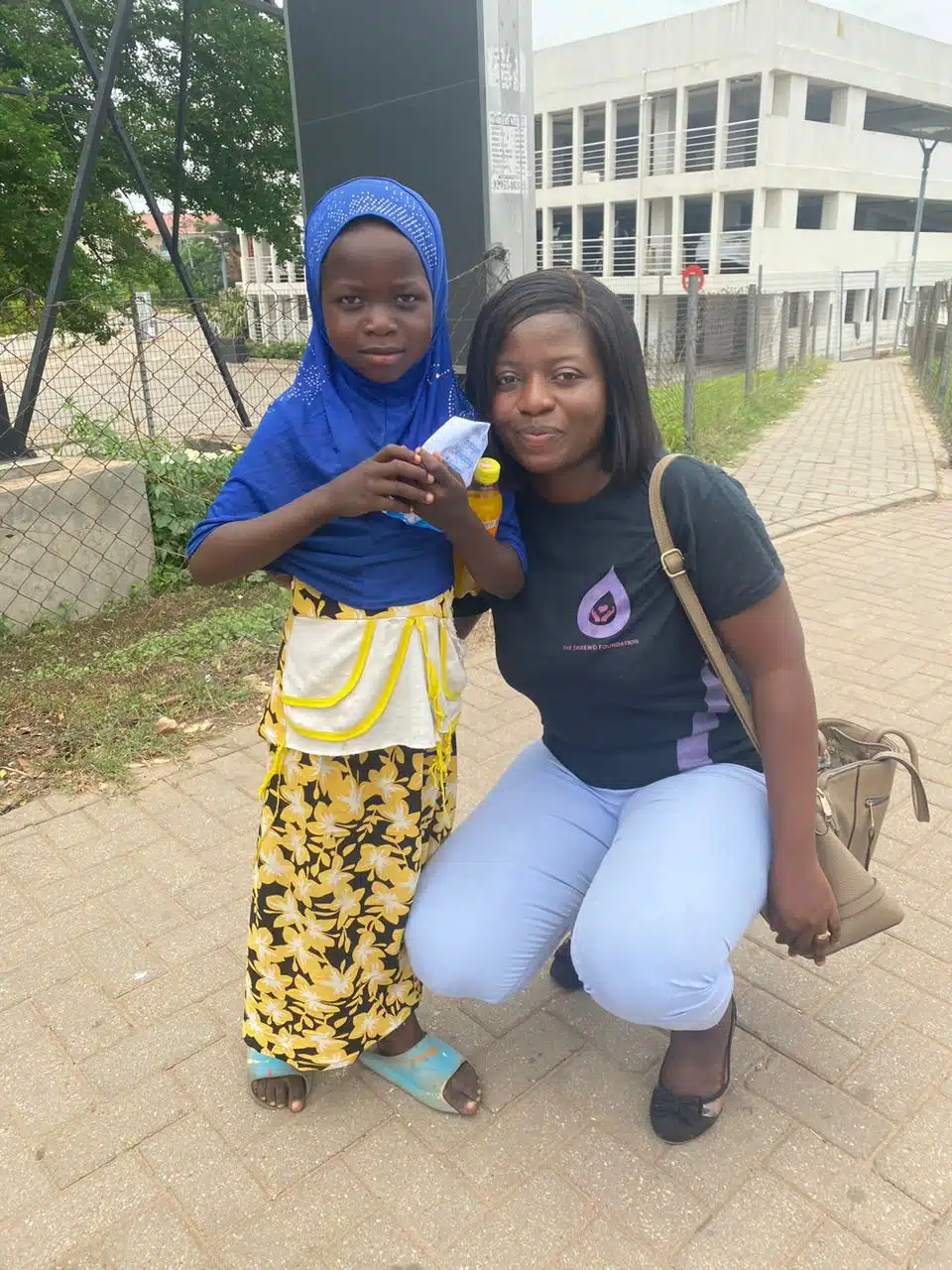
In a world where many children struggle to access basic necessities and face the harsh realities of life on the streets, organizations like The Shrewd Foundation play a vital role in providing care and support. As a passionate advocate for the welfare of street children, I have dedicated my time and resources to this cause. In this article, I will share my personal reasons for establishing The Shrewd Foundation and the impact it has had on the lives of these vulnerable children. Empathy and Compassion One of the primary reasons I take care of street children through The Shrewd Foundation is my deep sense of empathy and compassion. Witnessing the plight of these children, who often face neglect, abuse, and lack of access to education and healthcare, has stirred a strong desire within me to make a positive difference in their lives. Through The Shrewd Foundation, I can contribute to creating a more inclusive society where every child has an opportunity to thrive and fulfill their potential. Providing Basic Necessities Through The Shrewd Foundation, I have the opportunity to address the immediate needs of street children. Many of these children lack access to nutritious food, clean water, and proper shelter. The foundation works tirelessly to provide them with essential resources, ensuring their physical well-being is met. By supporting initiatives that focus on providing meals, healthcare, and temporary shelters, we can offer these children a chance at a healthier and safer life. Education and Skill Development Education is a powerful tool for empowering individuals and breaking the cycle of poverty. The Shrewd Foundation recognizes the importance of education in transforming the lives of street children. By supporting its educational programs, we can help these children acquire knowledge, develop skills, and increase their chances of securing a brighter future. Whether through formal education or vocational training, the foundation equips these children with the tools they need to build a sustainable livelihood and escape the hardships they face on the streets. Emotional and Psychological Support Street children often carry deep emotional scars resulting from their difficult circumstances. The Shrewd Foundation understands the importance of providing emotional and psychological support to help these children heal and regain their self-esteem. By offering counseling services, mentorship programs, and recreational activities, the foundation creates a safe space where children can express themselves, develop resilience, and rebuild their lives. Creating Sustainable Change The Shrewd Foundation’s holistic approach to caring for street children is what attracted me to their cause. They not only address the immediate needs of these children but also work towards creating sustainable change in their lives and communities. By advocating for policy reforms, raising awareness, and fostering community engagement, the foundation aims to create an environment where all children are protected, supported, and given equal opportunities to thrive. Supporting street children through the Shrewd Foundation has been a deeply fulfilling journey for me. By combining empathy, resources, and collective efforts, we can make a lasting impact on the lives of these vulnerable children, offering them hope and a chance at a brighter future. READ NEXT ON: Understanding the root causes of Child Streetism
5 Ways to Deal with a Toxic Boss or Co-worker

Dealing with a toxic boss or co-worker can be challenging and emotionally draining. Toxic individuals can create a hostile work environment, affecting your productivity, mental well-being, and job satisfaction. However, with the right strategies and mindset, you can effectively navigate these difficult situations and maintain your professional integrity. In this guide, we will explore practical approaches to handle toxic bosses or co-workers in a constructive manner. 1. Assess the situation Before taking any action, it is essential to assess the situation objectively. Determine the nature and extent of the toxicity, evaluate its impact on your work and personal life, and identify specific behaviors or patterns causing concern. Keep a record of incidents, including dates, times, and descriptions. This documentation will serve as evidence and provide clarity when discussing the matter with others, such as HR personnel or supervisors. 2. Focus on self-care Dealing with toxic individuals can take a toll on your mental and emotional well-being. Prioritize self-care to maintain your resilience and reduce stress. Engage in activities that bring you joy outside of work, such as exercise, hobbies, and spending time with loved ones. Practice stress-management techniques, such as meditation or deep breathing exercises. Taking care of yourself will provide the strength and clarity needed to handle challenging situations effectively. 3. Set boundaries Establishing clear boundaries is crucial when dealing with toxic bosses or co-workers. Communicate your limits assertively and professionally. Be firm in expressing what behaviors are unacceptable to you and request respectful treatment. Clearly define your roles and responsibilities to avoid being exploited or burdened with excessive work. Setting boundaries sends a signal that you value your well-being and expect to be treated with respect. 4. Seek support Reach out to trusted colleagues, friends, or mentors who can provide guidance and support during difficult times. Venting your frustrations or discussing the situation with a sympathetic listener can help relieve stress. Additionally, consider seeking advice from HR professionals or supervisors who can offer insights into company policies or potential courses of action. Remember, you don’t have to face toxic situations alone, and having a support system can make a significant difference. 5. Document and report incidents Document and report incidents (Approximately 100 words): If the toxic behavior persists or escalates despite your efforts, it may be necessary to report the incidents formally. Ensure you have gathered sufficient evidence, including your documented records of specific incidents. Follow your company’s policies and procedures for reporting workplace issues, such as submitting a complaint to HR or higher management. Keep in mind that reporting toxic behavior is crucial for maintaining a healthy work environment not only for yourself but also for others who may be experiencing similar challenges. Dealing with a toxic boss or co-worker requires resilience, self-care, and proactive steps. By assessing the situation, setting boundaries, seeking support, and taking appropriate action, you can protect your well-being and work towards fostering a healthier workplace environment. In conclusion, remember that your well-being and mental health should always be a priority. If the toxicity persists despite your efforts, it might be worth considering other career options where you can thrive and be surrounded by positive and supportive individuals. WHAT’S OUT THERE: 5 Types of Toxic Coworkers and How to Deal With Them READ NEXT ON: The impact of toxic workplaces on mental health
Beyond the Face: Ellen Hagan

Ellen Hagan is a remarkable Ghanaian entrepreneur, human resource practitioner, and the esteemed CEO of L’aine Services Limited, a company that has made its mark in the business world. With her impressive accomplishments, Ellen is truly an inspiration to many. Ellen’s educational journey began at the prestigious Wesley Girls High School in Cape Coast, located in the Central Region of Ghana. She then pursued her higher education at the esteemed University of Ghana, where she obtained her bachelor’s degree. Not one to rest on her laurels, Ellen went on to achieve her MBA from the Graduate School of the University of Leicester, further enhancing her knowledge and expertise in the field. Having a burning desire to transition from being an employee to becoming an employer, Ellen embarked on a journey to establish L’aine Services Limited. Through her vision and hard work, the company has become a renowned player in the industry. Additionally, Ellen co-founded the Legacy Leadership Girls School in Akuse, further showcasing her commitment to empowering young women and promoting education. Ellen’s impact extends beyond her own ventures. She actively partners with the counseling units of esteemed institutions such as the University of Ghana, Central University, and Ashesi University. Through these collaborations, she offers insightful presentations on various aspects of the corporate world, including internship programs and how to effectively manage them. Recognizing Ellen’s expertise and leadership qualities, she serves on several notable boards, including the University of Ghana Business School board and the Danish Sounding board. Her contributions to these organizations have been invaluable, reflecting her dedication to shaping and advancing business practices. Ellen’s achievements have been duly recognized through numerous prestigious awards. She was honored with the CIMG Marketing Woman of the Year award in 2011, highlighting her exceptional marketing acumen. Her strategic leadership skills were acknowledged at the World HRD Congress in India in the same year. Ellen’s significant impact on the business landscape earned her the title of Africa’s Most Influential Woman in Business in 2013, a testament to her enduring influence. In 2017, she was honored as The Ultimate Woman of the Year at the Emy Awards, and also received the Women Arising Entrepreneur of the Year award, further solidifying her position as a trailblazer in her field. Ellen Hagan’s journey exemplifies the power of determination, innovation, and hard work. Her dedication to personal growth, business success, and empowering others has made her a respected figure in the business community. With her indomitable spirit and commitment to excellence, Ellen continues to inspire aspiring entrepreneurs and professionals across Ghana and beyond. READ NEXT ON: Beyond the Face: Betty Mould-Iddrisu
Can honesty honestly be bad?

Can honesty honestly be bad? Well, let’s dive into this wacky question and explore the wild world of truthfulness. We all know that honesty is usually hailed as a virtuous quality, like eating your veggies or paying your taxes. But hold on to your hats because sometimes honesty can take a detour into the land of not-so-great consequences. Picture this: You’re about to give your honest opinion on your friend’s new hairstyle. You want to be truthful, right? But wait, before you blurt out your unfiltered thoughts, consider the impact. Sometimes, honesty needs a little sprinkle of tact and sensitivity. Being too brutally honest can turn your friendly gathering into a chaotic hair salon of hurt feelings and shattered self-esteem. So, think twice before you unleash your hair-raising honesty. And what about those times when honesty clashes with confidentiality? Imagine you’re entrusted with a secret, like your best friend’s surprise birthday party. You want to spill the beans, but you know it would ruin the surprise. In this case, a strategic omission of truth is necessary to protect the greater good. Remember, honesty doesn’t always mean revealing every little detail. It’s like being a secret agent, but instead of saving the world, you’re saving your friend’s birthday surprise. But wait, there’s more! Brace yourself for the twist where honesty goes rogue. Some folks out there use honesty as a weapon, like a sneaky ninja throwing truth bombs left and right. They claim they’re just being honest, but they’re actually on a mission to hurt, criticize, or spread juicy rumors. Beware of these truth manipulators! They’re like the pranksters of honesty, turning something good into a chaotic mess faster than you can say “fib.” Honesty can also put a weighty burden on our shoulders. Society often expects us to spill our guts about everything, like a reality show without the cameras. It’s like we’re living in a truth-centric world where withholding information is a sin. But guess what? It’s okay to keep some things to yourself. Your deep, dark secrets and embarrassing moments can be locked away in the vault of your mind, if that’s what you need to protect your sanity. Oh, and let’s not forget the wild world of cultural differences. What’s considered honest in one culture might be seen as downright rude in another. It’s like playing a game of “Truth or Dare” where the rules keep changing. So, be careful when honesty takes you on a global tour. You might accidentally offend someone when all you wanted was to keep it real. In the end, the question of whether honesty can be bad is like a funky dance move—it’s all about finding the right rhythm. Honesty, when mixed with a dash of tact, respect, and consideration for others, can be a groovy force for good. So, embrace the quirky nature of honesty, my friends, and remember to navigate this truth-filled world with a touch of humor and a sprinkle of kindness. WHAT’S OUT THERE: Honesty is the Best Policy? Not Always, Here are 11 Reasons Why READ NEXT ON: Are Best Friends Really Necessary?
Nancy Abudu Makes History as the Highest-Ranking Ghanaian American Judge in the US

Nancy Abudu, a prominent civil rights lawyer, has been officially confirmed to serve on the US Court of Appeals for the Eleventh Circuit, making history as the first Black woman to sit on the Atlanta-based court. After a confirmation vote of 49-47 on Thursday, Abudu’s appointment was solidified by the Senate, despite criticism from Republicans regarding her previous work at the Southern Poverty Law Center (SPLC), where she held positions such as deputy legal director and interim director for strategic litigation. Abudu had faced a lengthy wait of over a year for her confirmation vote, which was further delayed in recent months due to the absence of Senator Dianne Feinstein (D-Calif.) for health reasons. Notably, Abudu faced opposition from Senator Joe Manchin (D-W. Va.), marking a rare Democratic defection against one of President Joe Biden’s judicial nominees. With her extensive experience, Abudu, 48, has been actively involved in litigating voting rights cases across the Deep South, as well as on a national scale, working for both the SPLC and the American Civil Liberties Union (ACLU). Her legal efforts have centered around challenging felon disenfranchisement, voter ID and proof of citizenship laws, and advocating for stronger enforcement of federal voting-related laws in both federal and state courts. Abudu’s confirmation aligns with President Biden’s broader objective of enhancing diversity, both in terms of demographics and professional backgrounds, within the judiciary. As the daughter of Ghanaian immigrants, she is the fourth Black woman nominated by President Biden to serve on a federal appeals court, breaking new ground in a court that has never previously had a Black woman judge. Recognized as a highly capable advocate for civil rights, Abudu’s appointment is expected to bring a fresh and much-needed perspective to the Deep South bench. Her personal background as the child of immigrants, coupled with her identity as a Black woman, and her extensive involvement in complex justice issues, is regarded as a valuable asset by those who know her. Jennifer Ramo, a fellow graduate of Tulane Law School, attests to Abudu’s qualifications, affirming that she will contribute a unique perspective to the Eleventh Circuit. The Eleventh Circuit, which encompasses Georgia, Florida, and Alabama, will benefit from Abudu’s expertise and dedication as she assumes her role as a trailblazing Black woman in the Atlanta-based court. Her confirmation represents a significant step forward in promoting inclusivity and representation within the judiciary system. READ NEXT ON: Nigerian Robotics Engineer, Kemisola Bolarinwa Creates Life-Saving Smart Bra for Breast Cancer Detection
Background & History of Labone Senior High School

Labone Senior High School, popularly known as L-A Bone, is a renowned public senior high school located in the vibrant Labone neighborhood of the Greater Accra Region in Ghana. The school has gained recognition for its active participation in various academic, athletic, music, and cultural activities, making it a well-respected institution in the country. The school’s history dates back to 1949 when six visionary leaders identified the necessity for an educational institution to cater to the educational needs of the young people residing in the Osu and La areas, as well as the surrounding communities. In response to this need, a private school was established in the Ako Adjei Area. With Ghana gaining independence, the first president of the country, Kwame Nkrumah, recognized the importance of widespread access to education for the rapid development of the nation. To achieve this vision, the Ghana Educational Trust was established during the first republic. The trust was responsible for constructing school buildings across the country, including Labone Senior High School. As a result, the school was relocated to its present site, opposite the Labone S.D.A Church. Labone Senior High School has since become widely renowned for its commitment to academic excellence and the holistic development of its students. The school has consistently demonstrated exceptional performance in various academic competitions, notably the National Science and Maths Quiz, where its students showcase their intellectual prowess and problem-solving abilities. Beyond academics, Labone Senior High School excels in athletic endeavors, with its students participating and achieving success in inter-school competitions. The school’s athletes demonstrate their skills and compete with dedication, bringing honor to the institution. Moreover, Labone Senior High School has a vibrant music and cultural scene. Students are encouraged to explore their artistic talents and engage in cultural activities such as traditional dance, drama, and music performances. These activities promote cultural preservation, creativity, and self-expression among the students. Labone Senior High School has nurtured and produced many notable alumni who have gone on to excel in various fields, making significant contributions to society. The school’s commitment to providing quality education and fostering all-round development has played a vital role in shaping the lives and futures of its students. The Crest of Labone Senior High School – composition, meaning, and symbolism The crest of Labone Senior High School was expertly designed by Nii Amon Kotei, a distinguished senior citizen and recipient of a national award. Notably, Kotei also played a key role in designing the Ghana coat of arms. The crest features a shield divided into four quarters, with a sturdy fishing rope running both horizontally and vertically across it. Each of the four quarters of the crest carries a symbolic motif that represents significant values: The crest of Labone Senior High School is a visual representation of the school’s core values and serves as a constant reminder to students of the principles they should embody. It encapsulates the ideals of seizing opportunities, valuing education, embracing hard work, and being productive members of society. The thoughtful design of the crest by Nii Amon Kotei reflects the school’s commitment to excellence, character development, and the holistic growth of its students. It stands as a proud symbol of Labone Senior High School’s identity and heritage, representing the aspirations and achievements of its academic community. READ NEXT ON: Background & History of St. Monica’s Senior High School
The Apatampa Dance

Apatampa Dance is a dance performed by the Fanti people of Ghana, known for its rich cultural significance and vibrant movements. The origins of the dance can be traced back to a captivating story that has been passed down through generations. Historically, it is believed that the name “Apatampa” originated from an incident long ago. According to the legend, a fearsome giant would often attack and kill Fanti men during the night, causing fear and turmoil among the community. One fateful night, as the giant was engaged in a fierce battle with the last remaining man, a woman appeared on the scene. She gracefully danced with such elegance and precision that it caught the attention of everyone around. Her mesmerizing performance managed to distract the fight, bringing a temporary peace to the chaos. In the Fante language, this act of separating the fight was described as “apata ampa,” which translates to “separate the fight.” Over time, this phrase became synonymous with the dance, giving it the name “Apatampa.” Instruments play a crucial role in the performance of the Apatampa dance, contributing to the rhythmic and melodic elements of the dance. The primary instrument is a large rectangular plywood board, on which the drummers strike the open surface with their palms. The resonant and pulsating beats created by the drummers set the pace and provide the foundation for the dancers’ movements. The drums produce deep and powerful sounds that reverberate throughout the performance space, adding a sense of energy and intensity. Another significant instrument used in the Apatampa dance is the pitch metal whistle, locally known as “aben.” The aben adds a distinctive melodic element to the dance. Its piercing sound cuts through the drumming, creating a contrast and providing a sense of musicality to the performance. The whistle player skillfully blends their notes with the drummers’ beats, creating a harmonious and captivating musical composition. Additionally, the Apatampa dance incorporates the use of castanets, locally known as “afrikyiwa.” Castanets are percussion instruments consisting of two small concave shells made of wood or other materials. The dancers hold the castanets in their hands and manipulate them by snapping the shells together. The rhythmic clacking sound produced by the castanets adds a layer of percussive texture to the music, enhancing the overall auditory experience of the dance. The performance of the Apatampa dance is a sight to behold. The dancers begin by making a distinct beat by hitting both thighs with their hands twice, followed by clapping their hands on the third beat. They then proceed to beat their chests twice, creating the fourth and fifth beats. The dancers execute these rhythmic movements with a cheerful demeanor and a smile, radiating joy and enthusiasm. Their movements are characterized by foot shuffling, swaying, spinning, and other agile gestures, all performed in sync with the beats of the drums and the melodic accents of the whistle. The Apatampa dance is not only a form of entertainment but also a cultural expression that celebrates the traditions and heritage of the Fanti people. It is often performed during special occasions, festivals, and community gatherings. The dance serves as a unifying force, bringing people together and reinforcing the sense of identity and pride among the Fanti community. The Apatampa dance is an integral part of the Fanti culture in Ghana. Rooted in a captivating legend, the dance showcases the agility, creativity, and musicality of the Fanti people. With the drumming, pitch metal whistle, and castanets creating a vibrant musical backdrop, the dancers’ lively movements captivate the audience, preserving the cultural heritage and traditions of the Fanti people for generations to come. Photo Credit: akyinbakollectionz READ NEXT ON: Bima Music & Dance
10 Strategies for Working with Influencers

Influencer marketing has become an integral part of many successful marketing campaigns. Working with influencers can significantly boost brand awareness, reach a wider audience, and drive engagement. However, working with influencers requires careful planning and execution. To maximize the effectiveness of your influencer partnerships, here are 10 strategies to consider. 1. Set Clear Objectives Before approaching influencers, define your campaign objectives. Whether it’s increasing brand visibility, driving sales, or launching a new product, having clear goals will help you select the right influencers and measure success accurately. 2. Identify the Right Influencers Research and identify influencers whose values align with your brand. Look for influencers with a relevant niche, an engaged audience, and an authentic voice. Quality over quantity is crucial when choosing influencers for your campaign. 3. Establish Genuine Relationships Building genuine relationships with influencers is key to successful collaborations. Take the time to understand their content, engage with their posts, and provide value before pitching any partnership. A strong foundation of trust and mutual understanding will yield better results. 4. Offer Unique Value To attract influencers, offer them something unique and valuable. It could be exclusive access to new products, invitations to events, or custom discount codes for their followers. Providing incentives demonstrates your commitment to the partnership and encourages influencers to promote your brand passionately. 5. Be Transparent and Authentic Transparency is essential when working with influencers. Clearly communicate your expectations, campaign guidelines, and any legal or disclosure requirements. Encourage influencers to be authentic in their content creation, ensuring that their audience recognizes the genuine nature of the partnership. 6. Collaborate on Creative Briefs Involve influencers in the creative process by collaborating on briefs and content ideas. Leverage their expertise to create authentic and engaging content that resonates with their audience. Encourage them to infuse their unique style and storytelling abilities into the campaign. 7. Leverage Different Content Formats Explore various content formats to leverage the full potential of influencer collaborations. From Instagram posts and Stories to YouTube videos and blog features, diversifying the content types can reach different segments of the influencer’s audience and keep the campaign fresh. 8. Track and Measure Performance Use tracking tools and unique links to measure the impact of your influencer campaigns accurately. Monitor key performance indicators such as engagement, reach, conversions, and sales to evaluate the effectiveness of your partnerships. Analyze the data and optimize future collaborations based on insights gathered. 9. Foster Long-Term Partnerships While one-off influencer collaborations can be beneficial, nurturing long-term relationships can yield even better results. Establish ongoing partnerships with influencers who consistently align with your brand values and have a genuine interest in your products or services. Long-term partnerships build trust, deepen audience connections, and provide consistent exposure. 10. Engage with Influencer Content influencer content goes live, actively engage with it by liking, commenting, and sharing. Show appreciation for their efforts and amplify their content through your brand’s social media channels. By engaging with influencers, you foster stronger relationships and extend the reach of your campaign. Working with influencers requires a thoughtful approach and strategic execution. By setting clear objectives, identifying the right influencers, establishing genuine relationships, and offering unique value, you can create successful influencer partnerships. Being transparent, collaborating on creative briefs, and leveraging various content formats are essential elements. Tracking performance, fostering long-term relationships, and engaging with influencer content further enhance the effectiveness of your campaigns. Implementing these ten strategies will help you maximize the impact of influencer marketing and achieve your marketing goals. WHAT’S OUT THERE: 10 Ways To Maximize Your Influencer Marketing Efforts READ NEXT ON: 6 Benefits of Using Influencers in Your Digital Marketing Strategy
Nigerian Robotics Engineer, Kemisola Bolarinwa Creates Life-Saving Smart Bra for Breast Cancer Detection

This is Nigerian Robotics Engineer, Kemisola Bolarinwa, a visionary innovator who has made significant contributions to the field of healthcare technology. From a young age, Bolarinwa demonstrated a natural aptitude for innovation, which led to her involvement in creating a transistor radio during a high school competition, an experience that ignited her passion for engineering. After completing her secondary education, Bolarinwa pursued a degree in Electrical and Electronics Engineering at the University of Ado-Ekiti. While her formal education provided a solid foundation, her true expertise in self-driven innovations emerged through self-study and practical application. Bolarinwa’s personal journey towards cancer prevention and treatment was profoundly influenced by a tragic event in 2017 when she lost one of her beloved aunts to breast cancer. This heartbreaking loss served as a catalyst for her dedication to finding a solution to the issue of late detection in breast cancer cases. In 2019, Bolarinwa assembled a multidisciplinary team of experts consisting of a femwear specialist, an IT professional, an embedding hardware specialist, an AI specialist, a software developer, and an oncologist. United by their shared mission, they embarked on an ambitious journey to develop a groundbreaking solution to combat the challenges associated with the early detection of breast cancer. After years of extensive research and development, in 2021, Kemisola and her team successfully created a functional prototype of a revolutionary smart bra. This innovative bra incorporates advanced sensors capable of scanning the breast tissue for abnormalities, thereby enabling early detection of potential signs of breast cancer. By leveraging cutting-edge technology, the smart bra has the potential to save countless lives globally by detecting breast cancer at its earliest stages, when treatment outcomes are most favorable. Kemisola Bolarinwa, as the Founder of Nextwear Technologies, has not only contributed significantly to the field of medical technology but has also become an inspiring figure for aspiring engineers, particularly women in STEM fields. Her groundbreaking invention serves as a testament to her unwavering dedication, ingenuity, and commitment to making a positive impact on the world. Through her remarkable achievements, Kemisola Bolarinwa has positioned herself as a pioneer in the fight against breast cancer, revolutionizing the way it is detected and treated. Her work not only showcases the potential of Nigerian innovators but also demonstrates the power of technology in addressing critical healthcare challenges and saving lives on a global scale. READ NEXT ON: Rev. (Mrs.) Angela Carmen Appiah Makes History as First Female President of IoD-Gh