Impactful Social Media Graphics: The Power of Visual Storytelling

In today’s digital age, social media has become an integral part of our lives. Whether it’s scrolling through our feeds, sharing moments, or connecting with others, social media has revolutionized the way we communicate and interact. Amidst the sea of content, one thing stands out and grabs our attention: impactful social media graphics. Through the power of visual storytelling, these graphics have the ability to captivate, engage, and leave a lasting impression on the viewers. Visual storytelling is an art form that combines compelling visuals with a narrative structure to evoke emotions, convey messages, and communicate ideas effectively. In the context of social media, where attention spans are short and competition for engagement is fierce, the role of impactful graphics becomes even more critical. A well-crafted social media graphic can cut through the noise, make a brand stand out, and leave a lasting impact on the audience. The power of visual storytelling lies in its ability to convey complex ideas and messages in a concise and visually appealing manner. Humans are naturally drawn to visuals, and research has shown that we process visual information faster and retain it better than textual content. By leveraging this innate preference, social media graphics have the potential to communicate messages more effectively and efficiently than plain text alone. When creating impactful social media graphics, it’s crucial to understand the target audience and tailor the visuals to resonate with their interests, values, and aspirations. By using elements such as colors, imagery, and typography that align with the audience’s preferences, designers can create an instant connection and evoke the desired emotional response. For example, a fitness brand targeting a young and active audience may use vibrant colors, dynamic imagery, and energetic typography to convey a sense of vitality and motivation. Another key aspect of visual storytelling is the narrative structure. A powerful social media graphic should have a clear beginning, middle, and end, leading the viewer on a visual journey that unfolds a story or conveys a message. This could be achieved through the use of sequential images, visual metaphors, or even a single impactful image that tells a story on its own. By structuring the graphic in a narrative format, designers can engage the audience, create curiosity, and leave them with a memorable experience. The choice of visuals in social media graphics plays a crucial role in capturing attention and eliciting emotional responses. High-quality and visually striking images or illustrations can instantly grab the viewer’s attention and pique their curiosity. When selecting visuals, it’s important to consider factors such as relevance, authenticity, and uniqueness. By using visuals that align with the brand’s identity and values, designers can establish a consistent and recognizable visual language that resonates with the audience. Typography is another powerful tool in visual storytelling. The choice of fonts, sizes, and styles can convey different moods, attitudes, and personalities. Bold and attention-grabbing typography can be used to emphasize key messages or calls to action, while elegant and sophisticated typography can convey a sense of luxury or professionalism. By combining typography with visuals, designers can create a harmonious and visually appealing composition that enhances the overall impact of the social media graphic. In addition to aesthetics, social media graphics should also be designed with usability and functionality in mind. With the rise of mobile usage, it’s crucial to optimize graphics for different screen sizes and resolutions to ensure a seamless viewing experience across devices. Elements such as text legibility, image resolution, and responsive design should be taken into consideration to deliver a visually pleasing and accessible graphic to all users. The power of impactful social media graphics goes beyond mere aesthetics. It can shape brand perception, increase engagement, and drive actions. When done right, social media graphics have the potential to create a sense of connection, build trust, and leave a lasting impression on the audience. Whether it’s through evoking emotions, communicating messages, or telling stories, visual storytelling has become an indispensable tool for brands and marketers to cut through the digital clutter and make an impact in the social media landscape. In conclusion, impactful social media graphics harness the power of visual storytelling to captivate and engage the audience. By combining compelling visuals, narrative structure, and strategic design choices, designers can create graphics that convey messages effectively, evoke emotions, and leave a lasting impression. With the ever-increasing competition for attention on social media, mastering the art of visual storytelling is essential for brands and marketers to stand out, connect with their audience, and drive meaningful engagement. So, embrace the power of visual storytelling and unlock the potential of impactful social media graphics. WHAT’S OUT THERE: The Power of Visual Storytelling READ NEXT ON: 10 Benefits of Social Media Contests, Giveaways, and Promotions
Ghanaian Teen innovator Mustapha Diyaol-Haqq wins $600,000 for developing Agric App

Mustapha Diyaol-Haqq, the co-founder of Okuafo Foundation, recognized the challenges faced by small farm owners in rural Africa and their need for technological solutions to improve agricultural practices. Determined to make a difference, he turned to his smartphone and developed the Okuafo AI application, leveraging the power of Artificial Intelligence (AI) to address these challenges effectively. One of the key features of the Okuafo AI application is its ability to operate without requiring an internet connection. This is particularly crucial in rural areas where internet access may be limited or unreliable. By eliminating the need for a constant internet connection, the app ensures that farmers can access its valuable resources and functionality anytime, anywhere. The primary purpose of the Okuafo AI application is to assist farmers in diagnosing diseases in their crops at an early stage. By leveraging AI algorithms and machine learning techniques, the app analyzes images of crops provided by farmers and identifies potential diseases or other issues affecting the plants. Early detection allows farmers to take prompt action, implementing appropriate treatments or preventive measures to minimize crop losses. Since its launch in 2018, the Okuafo AI application has already made a significant impact on the agricultural sector in Ghana, Nigeria, Togo, and Burkina Faso. Over 30,000 farmers have benefitted from the app, experiencing a remarkable 50% increase in their harvest yields while reducing crop losses. This improvement in productivity and profitability directly contributes to the livelihoods of small farm owners and the overall agricultural sustainability in the region. The recognition for Mustapha Diyaol-Haqq’s and Okuafo Foundation’s innovative work came when the Okuafo AI application won the Zayed Sustainability Prize in the food category. The Zayed Sustainability Prize is a prestigious global award presented by the United Arab Emirates (UAE) to honor leaders who have made significant contributions in promoting sustainability and implementing innovative solutions across communities worldwide. As a result of winning the prize, the Okuafo Foundation received $600,000 in funding. This substantial financial support allows the foundation to further enhance and expand their existing solution, making it even more effective and accessible to a greater number of farmers. Additionally, the funds enable the Okuafo Foundation to embark on other sustainability projects, fostering their mission of driving positive change and sustainable development in agriculture and related sectors. READ NEXT ON: Nana Aba Acquaah-Harrison: A Trailblazer in Computer Science Engineering
10 Benefits of Social Media Contests, Giveaways, and Promotions

Social media contests, giveaways, and promotions are not just a passing trend but have become an integral part of many brands’ social media strategies. They offer a range of benefits that contribute to brand growth, engagement, and customer loyalty. Let’s explore the importance of these initiatives in more detail: Increased brand awareness Contests, giveaways, and promotions have the potential to generate significant buzz and attract attention to your brand. By creating exciting and shareable content, you can reach a broader audience beyond your existing followers. Participants who enter, share, or engage with your content expose their friends and followers to your brand, leading to increased visibility and brand recognition. Audience engagement and interaction These initiatives provide opportunities for active participation and interaction with your audience. Whether it’s commenting on a post, sharing content, or submitting entries, contests and giveaways encourage people to engage with your brand in a fun and interactive way. This interaction builds stronger relationships, fosters a sense of community, and creates a positive association with your brand. Expanded reach and follower growth Contests and giveaways often require participants to share or tag friends, which can help you expand your reach to new audiences. As participants share your content or invite their friends to enter, you gain exposure to potential customers who may not have been aware of your brand before. This can lead to an increase in followers and a broader reach for your future marketing efforts. User-generated content (UGC) Contests and promotions often encourage users to create and share content related to your brand. Whether it’s submitting photos, videos, or testimonials, UGC provides authentic and relatable content that showcases your brand in a positive light. This type of content acts as social proof, building trust and credibility among your audience. Data collection and audience insights Contests and promotions present an opportunity to collect valuable data about your audience. When participants enter, you can ask them to provide their email addresses, demographic information, or preferences. This data helps you better understand your target audience, personalize your marketing efforts, and make data-driven decisions. It also allows you to build a qualified leads database for future marketing campaigns. Product or service promotion Contests, giveaways, and promotions offer an effective way to showcase your products or services. By featuring them as prizes or offering exclusive discounts, you create excitement and incentivize people to engage with your brand. This can drive sales, increase conversions, and introduce potential customers to your offerings. Social media buzz and virality Well-executed contests and giveaways can generate buzz and go viral on social media. When participants share their excitement, experiences, or entries, it creates a ripple effect, attracting more participants and amplifying your brand’s visibility. Viral campaigns can result in a significant increase in engagement, followers, and brand exposure. Customer loyalty and brand advocacy Rewarding your existing customers with exclusive contests or giveaways fosters customer loyalty. It shows appreciation for their support and encourages them to become brand advocates. Satisfied customers who win or receive special treatment are more likely to share their positive experiences with others, leading to word-of-mouth marketing and increased brand advocacy. Competitive advantage By offering unique and engaging contests, giveaways, or promotions, you can differentiate your brand from competitors. It demonstrates your creativity, innovation, and commitment to providing value to your audience. Unique initiatives that align with your brand’s values and resonate with your target audience give you a competitive edge and help you stand out in a crowded social media landscape. Measurable results and ROI Social media platforms provide analytics tools that allow you to track and measure the performance of your contests, giveaways, and promotions. You can evaluate metrics such as engagement rates, reach, impressions, click-throughs, and conversions. By setting clear objectives and monitoring these metrics, you can assess the impact of your initiatives, optimize your strategies, and calculate the return on investment (ROI). In conclusion, social media contests, giveaways, and promotions offer numerous advantages for brands. They help increase brand awareness, drive engagement, expand your reach, foster customer loyalty, and provide valuable data and insights. When executed strategically, these initiatives can create a positive brand image, boost customer acquisition, and contribute to long-term business growth. WHAT’S OUT THERE: The Benefits of Social Media Contests and Giveaways for Business Growth READ NEXT ON: Community Engagement and Management in Social Media Marketing
Beyond the Face: Akosua Sakyi-Agyekum, the shoemaker

Akosua Sakyi-Agyekum is a determined and ambitious entrepreneur who serves as the Chief Executive Officer of Nuesa Shoes, a prominent footwear company. With eight years of experience in the shoemaking industry, Akosua has showcased her expertise in producing a wide range of footwear, including shoes, slippers, sandals, and more. Akosua’s journey began after she completed her BSc in Chemical Engineering from the prestigious Kwame Nkrumah University of Science and Technology (KNUST). Despite her academic background, she faced challenges in finding suitable job opportunities. However, rather than being discouraged, Akosua decided to take matters into her own hands and ventured into the entrepreneurial path. In the early stages of her business, Akosua encountered difficulties in acquiring support and guidance to enhance her skills in the art of shoemaking. She had to overcome various obstacles and learn through trial and error. Additionally, she faced challenges in assembling a qualified team of individuals who shared her passion for creating high-quality footwear. Nevertheless, Akosua’s determination and perseverance allowed her to overcome these hurdles and establish Nuesa Shoes as a reputable brand in the industry. She focused on delivering products of exceptional craftsmanship, combining style and comfort in each design. The company gained recognition for its commitment to using quality materials and implementing innovative techniques in shoemaking. Looking ahead, Akosua has set ambitious goals for Nuesa Shoes. Over the next five years, she aspires to position the company as one of Africa’s most renowned footwear brands. With a strategic vision and a strong commitment to excellence, Akosua aims to expand Nuesa Shoes’ presence across the continent, capturing the attention and admiration of customers with their unique and stylish designs. Akosua’s passion for the art of shoemaking, coupled with her entrepreneurial spirit and determination, continues to drive her and her team towards achieving their vision of establishing Nuesa Shoes as a leading African footwear brand. READ NEXT ON: Beyond the Face: Nathan Kwabena Anokye Adisi
Fashion and Culture

Fashion and culture are two intertwined aspects of human society that have influenced each other throughout history. Fashion serves as a means of self-expression, reflecting the values, beliefs, and aspirations of individuals and communities. It is a dynamic and ever-evolving industry that not only shapes our personal style but also plays a significant role in shaping cultural identities and societal norms. Culture, on the other hand, encompasses the customs, traditions, beliefs, and social practices of a particular group of people. It encompasses various elements such as language, religion, art, music, and fashion. Culture provides a framework within which individuals navigate their lives and establish connections with others. Fashion, as an integral part of culture, reflects and reinforces these cultural elements, creating a visual language that transcends boundaries and communicates shared meanings. Throughout history, fashion has been a powerful tool for cultural expression. Different cultures have distinctive styles of clothing, accessories, and grooming practices that are reflective of their values and traditions. For example, traditional Japanese clothing like kimono represents elegance, simplicity, and respect for tradition. In contrast, vibrant colors, intricate patterns, and embellishments characterize the traditional clothing of various African cultures, representing their rich heritage and storytelling traditions. Similarly, the traditional attire of Indian culture, such as the saree or sherwani, reflects the country’s diverse regional identities and ancient traditions. Fashion also plays a pivotal role in constructing and challenging gender norms within a culture. It is often used as a means of expressing and subverting societal expectations around masculinity and femininity. Over the years, there have been significant shifts in fashion that have challenged and redefined gender roles. For instance, the rise of androgynous fashion in the 20th century blurred the lines between traditionally male and female clothing, promoting a more inclusive and fluid understanding of gender identity. Today, fashion brands increasingly embrace gender-neutral collections, acknowledging the diversity of identities and challenging the binary notion of gender. Fashion is not limited to clothing; it extends to hairstyles, body modifications, and even the use of makeup. These elements, too, are deeply rooted in culture and can convey specific messages and meanings. For example, traditional Maasai tribes in East Africa are known for their distinctive beadwork, elaborate hairstyles, and stretched earlobes. These adornments symbolize cultural pride, beauty, and social status within their community. Similarly, in ancient civilizations like Egypt and China, makeup and hairstyles were used as markers of social status, with elaborate hairstyles and cosmetics reserved for the elite. Fashion also serves as a reflection of social and political movements. Throughout history, clothing has been used as a powerful medium for protest and rebellion, allowing individuals to express their discontent and challenge the status quo. The counterculture movements of the 1960s, for example, were characterized by their rejection of mainstream fashion and the embrace of alternative styles that represented their anti-establishment values. Similarly, in recent years, fashion has become a platform for advocating social justice and sustainability, with many brands using their influence to raise awareness about important issues such as body positivity, diversity, and environmental impact. Furthermore, the globalization of fashion has resulted in the exchange and fusion of diverse cultural influences. Different cultural elements and aesthetics are constantly being borrowed, reinterpreted, and integrated into new fashion trends. This cross-pollination of cultures has led to a rich tapestry of styles and designs, enabling individuals to express their unique identities and create eclectic fashion statements. However, it is crucial to approach cultural appropriation with sensitivity and respect, recognizing the historical and social significance of the borrowed elements and giving credit to their origins. In conclusion, fashion and culture are intrinsically linked, with fashion serving as a medium through which cultural identities, values, and traditions are expressed, challenged, and celebrated. From traditional attire to contemporary trends, fashion reflects the diverse tapestry of human experiences and provides a visual language that transcends borders. It has the power to shape societal norms, challenge gender roles, and act as a vehicle for social and political change. By understanding and embracing the cultural dimensions of fashion, we can foster a more inclusive and respectful global fashion community that appreciates the richness of diverse cultures. WHAT’S OUT THERE: How Fashion Meets Culture READ NEXT ON: Historical Evolution of Fashion
Luxury Beach Resort

The Luxury Beach Resort located in Bortianor, Accra, is truly a hidden gem and stands out as one of the finest private beaches in the city. As soon as visitors step onto the resort grounds, they are enveloped in an atmosphere of luxury and tranquility. The main draw of this beach resort is undoubtedly its private beach. Offering exclusivity and privacy, it provides an idyllic setting for guests to bask in the beauty of nature and the soothing sounds of the ocean. The beach is meticulously maintained, ensuring a clean and pristine environment for visitors to enjoy. Soft, powdery sand invites barefoot walks along the shoreline, while the crystal-clear water beckons for a refreshing swim. Palm trees sway gently in the coastal breeze, creating a picturesque backdrop that adds to the overall charm of the resort. For couples seeking a romantic getaway, the luxury beach resort is a dream destination. Whether it’s strolling hand in hand along the beach, watching the sunset together, or enjoying a candlelit dinner by the shore, the resort offers a perfect ambiance for creating cherished memories with a loved one. The serenity of the private beach provides an intimate setting for couples to reconnect and indulge in quality time away from the hustle and bustle of daily life. Families will also find the resort to be an ideal choice for a memorable vacation. The resort’s facilities cater to the needs of all family members, ensuring that everyone has a fantastic time. Children can build sandcastles on the beach, splash around in the gentle waves, or engage in a variety of fun-filled activities organized by the resort. Parents can relax and unwind, knowing that their children are entertained and safe in this secure environment. The resort’s attentive staff is always on hand to provide excellent service and assist with any special requirements or requests. Individuals looking for a peaceful beachfront experience will find solace in the luxury beach resort. It offers a haven of tranquility where guests can escape the stresses of everyday life and immerse themselves in the soothing ambiance of the ocean. Whether it’s lounging in a comfortable beach chair, enjoying a refreshing drink by the water’s edge, or simply taking in the breathtaking views, the resort provides the perfect setting for relaxation and rejuvenation. Aside from its pristine beach, the luxury beach resort boasts excellent facilities and services. Guests can enjoy access to top-notch amenities, including well-appointed accommodations, fine dining restaurants offering delectable cuisine, a spa for indulgent treatments, and recreational activities to cater to various interests. The resort’s attentive staff ensures that every need is met, delivering personalized service and creating a memorable experience for each guest. READ NEXT ON: Cocoloko Beach
Beyond the Face: Nathan Kwabena Anokye Adisi

Nathan Kwabena Anokye Adisi, popularly known as Bola Ray, is a prominent Ghanaian radio and television personality, as well as an accomplished entrepreneur. Born on 1 March 1977 to Gladys Adisi, he has made significant contributions to the media industry in Ghana, serving as the CEO of the EIB Network Group since 2014 and also as the CEO of Empire Entertainment. Bola Ray’s journey in the media industry began during his time as a student at the University of Ghana. He started his career at Top Radio and hosted the show “Top City Jam.” His talent and charisma caught the attention of BBC Radio, making him the first African and Ghanaian to host “Top of the Pops.” This opportunity helped solidify his reputation as a skilled presenter and opened doors for greater success. In 2003, Bola Ray joined Joy FM, one of Ghana’s leading radio stations, where he hosted the Drive Time Show for an impressive 11 years. Under his stewardship, the show became the most influential drive time program on radio in Ghana. During this period, he also co-hosted the live musical show “Music Music” on TV3, alongside Stacy Amoateng. The program featured live performances by top Ghanaian musicians, showcasing their hit songs and captivating audiences across the country. Bola Ray’s influence in the media industry continued to grow as he co-founded the EIB Network Group. With the acquisition of GHOne Television and several Ghanaian radio stations, he became the CEO of the conglomerate. His leadership and vision have played a pivotal role in shaping the success of the network. Additionally, Bola Ray hosted the popular celebrity interview program, “Starr Chat,” on Starr FM, one of EIB Network Group’s radio stations. Through this show, he has had the opportunity to interview prominent Ghanaian political figures, businessmen, clergy, foreign ambassadors to Ghana, and academics, providing a platform for in-depth conversations. Not limited to radio and television, Bola Ray also expanded his horizons into television production. He became the presenter of “Revealed With Bola Ray,” a TV program that focuses on luxury and lifestyle. The show airs on GHOne Television, offering viewers a glimpse into the world of luxury, fashion, and high-end living. Bola Ray’s achievements extend beyond his media career. He has also pursued higher education to enhance his knowledge and skills. He obtained a Diploma in Public Administration from the University of Ghana Business School and a Bachelor of Science Degree in Business Administration from Central University. In 2015, he furthered his education by earning an MBA in Global Business and Sustainability from the Catholic University of the Sacred Heart of Milan (ALTIS) and the Catholic Institute of Business and Technology (CIBT). Throughout his career, Bola Ray has exhibited remarkable professionalism, versatility, and a deep passion for the media industry. His contributions have had a significant impact, not only on the entertainment landscape but also on the promotion of Ghanaian talent and the growth of the media sector as a whole. As a well-respected figure in Ghanaian media, Bola Ray’s journey serves as an inspiration to aspiring broadcasters and entrepreneurs. His dedication, hard work, and innovative thinking have propelled him to great heights, establishing him as one of the most influential personalities in Ghana’s media industry. READ NEXT ON: Beyond the Face: Jackie Appiah
Historical Evolution of Fashion

The historical evolution of fashion is a fascinating journey that spans centuries, reflecting the ever-changing tastes, beliefs, and social dynamics of different eras and cultures. From ancient civilizations to modern times, fashion has served as a powerful means of self-expression and a reflection of societal values. Let’s explore the significant milestones and transformations that have shaped the world of fashion throughout history. Ancient Civilizations Fashion as Status and Symbolism Fashion has existed since the earliest civilizations, with ancient Egyptians, Greeks, and Romans placing great importance on clothing and adornment. In these societies, fashion was closely tied to social status, and elaborate garments, jewelry, and accessories were reserved for the wealthy and influential. Clothing styles and materials also symbolized cultural and religious beliefs, with specific colors and patterns representing different gods or social roles. Middle Ages: Ornate Elegance and Sumptuary Laws The Middle Ages witnessed the dominance of the feudal system, which greatly influenced fashion. Clothing was used to signify one’s place in society, and sumptuary laws dictated what individuals could wear based on their social class. Noble classes adorned themselves with opulent fabrics, intricate embroidery, and accessories, while peasants wore simpler, utilitarian attire. Renaissance: The Birth of Individuality The Renaissance period marked a significant shift in fashion, with a focus on individualism, humanism, and artistic expression. Influenced by the rediscovery of classical art and literature, clothing styles became more elaborate, emphasizing the natural contours of the body. Elaborate garments, ruffs, corsets, and codpieces were fashionable among the aristocracy, while fashion-conscious individuals embraced luxurious fabrics, such as silk and velvet. 18th and 19th Centuries: Changing Silhouettes and Industrial Revolution The 18th century witnessed a departure from the ornate styles of the Renaissance, as simpler, more natural silhouettes gained popularity. Corsets and panniers gave way to flowing dresses with empire waists, influenced by neoclassical ideals. The Industrial Revolution in the 19th century brought mechanization to the textile industry, making fashionable clothing more accessible to the masses. Fashion magazines emerged, showcasing the latest trends and fueling consumerism. 20th Century: Rapid Change and Cultural Shifts The 20th century saw fashion evolve at an unprecedented pace, with distinct trends emerging in each decade. From the flapper dresses of the 1920s to the glamorous Hollywood-inspired fashion of the 1930s and 1940s, clothing became more liberated and expressive. The post-war period brought a revolution in fashion with Christian Dior’s “New Look,” characterized by cinched waists and voluminous skirts. The latter half of the 20th century witnessed countercultural movements influencing fashion, such as the mod styles of the 1960s, the bohemian aesthetic of the 1970s, and the punk and grunge movements of the 1980s and 1990s. Fashion became a means of rebellion and self-identity for the younger generation. 21st Century: Globalization and Sustainable Fashion The 21st century has been marked by globalization, rapid technological advancements, and increased awareness of sustainability. Fashion has become more accessible through online platforms and fast-fashion brands. However, concerns about the environmental and social impact of the fashion industry have led to the rise of sustainable and ethical fashion movements. Today, fashion is an ever-evolving art form, influenced by a wide range of factors, including cultural diversity, technological innovations, and changing social values. It continues to serve as a powerful tool for self-expression, cultural identity, and societal commentary, reflecting the dynamic nature of human civilization. The historical evolution of fashion highlights the intertwining relationship between clothing and society, showcasing the ways in which fashion has mirrored and shaped the world around us. By studying its rich history, we gain insights into the fascinating tapestry of human culture and creativity. WHAT’S OUT THERE: Fashion History, Evolution, & Timeline READ NEXT ON: Makeup Tips For The Workplace
Nana Aba Acquaah-Harrison: A Trailblazer in Computer Science Engineering
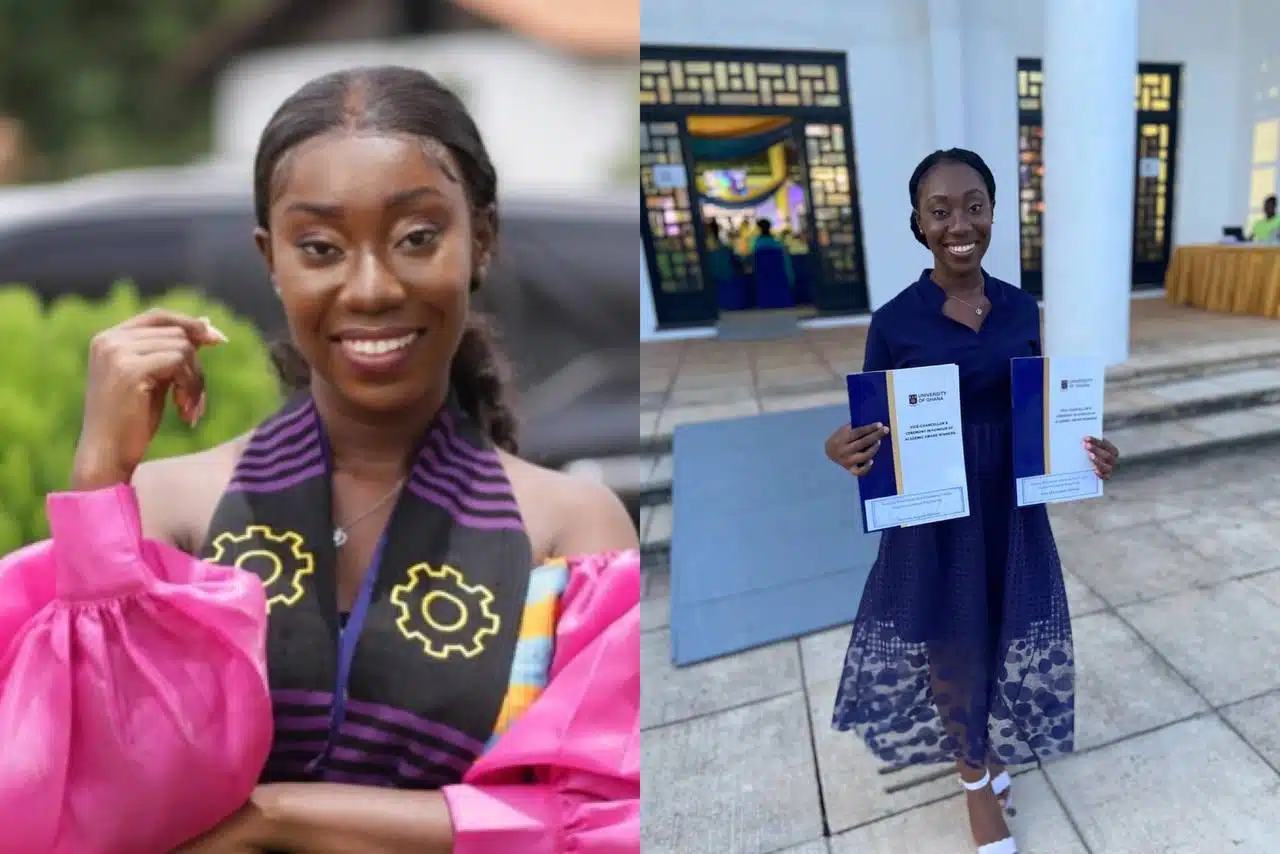
Nana Aba Acquaah-Harrison, an exceptional individual, has made remarkable strides in the field of Computer Science Engineering. With a BSc in Computer Science Engineering from the University of Ghana, her achievements and accolades exemplify her dedication and perseverance. In 2022, Nana Aba Acquaah-Harrison received numerous prestigious awards that acknowledged her exceptional talent and hard work. Notably, she was honored as the Vodafone Best Graduating Female in Computer Engineering and the Ericsson Best Graduating Female in Computer Engineering. These accolades highlight her outstanding accomplishments and position her as a role model for aspiring female engineers. Additionally, she earned First Class Honours in Computer Engineering, showcasing her academic brilliance and commitment to excellence. Beyond her academic achievements, Nana Aba Acquaah-Harrison’s accomplishments extend to other areas. She was awarded the General Electric Prize for Best Female in Level 200 Computer Engineering, further affirming her competence and expertise in her field. Moreover, she was included in the Deans Honour List, recognizing her consistent academic performance and unwavering dedication to her studies. Reflecting on her journey, Nana Aba Acquaah-Harrison shares the challenges she faced during her senior high school years, which initially led her to have low self-expectations. However, her admission to study engineering at the University of Ghana provided her with an opportunity for growth and transformation. Despite doubts from others, she remained resolute, confidently declaring, “Yes, I can do it.” Upon entering a male-dominated class, Nana Aba Acquaah-Harrison initially felt discouraged. Nevertheless, she discovered that some of her male peers became her greatest sources of support. Their encouragement and assistance played a crucial role in her success, challenging gender disparities in the field and showcasing the power of unity and collaboration. Nana Aba Acquaah-Harrison attributes her achievements to her unwavering determination, consistency, and the remarkable support systems she had in place. She recognizes the significance of these factors in propelling her forward and expresses gratitude for the favor of God that she has experienced throughout her journey. Prior to pursuing her university education, Nana Aba Acquaah-Harrison attended Wesley Girls Senior High School, a renowned institution known for its commitment to excellence in education. Nana Aba Acquaah-Harrison’s journey serves as an inspiration to others, particularly young women interested in pursuing careers in engineering. Her accomplishments underscore the importance of self-belief, resilience, and the support of a nurturing community. With her exceptional talent and determination, Nana Aba Acquaah-Harrison is poised to make significant contributions to the field of Computer Science Engineering, paving the way for future generations of aspiring engineers. RAED NEXT ON: From Undergrads to Lifelong Love: Kwame and Mavis Ntim’s Enduring Story
Community Engagement and Management in Social Media Marketing

Community engagement and management play a crucial role in social media marketing. With the rise of social media platforms as powerful marketing tools, businesses have the opportunity to connect with their target audience on a more personal and interactive level. By actively engaging with the community and effectively managing their online presence, companies can build brand loyalty, increase customer satisfaction, and drive business growth. In this article, we will explore the importance of community engagement and management in social media marketing and provide practical tips for successful implementation. One of the primary reasons community engagement is essential in social media marketing is that it fosters a sense of belonging and connection among customers. Social media platforms provide a space for individuals to come together, share experiences, and engage with brands. By actively participating in these conversations, businesses can build relationships, establish trust, and create a community around their brand. Engaging with customers in a meaningful way demonstrates that the company values their opinions, listens to their feedback, and is committed to providing a positive customer experience. Effective community management involves monitoring social media platforms for mentions, comments, and messages related to the brand. By promptly responding to customer inquiries, addressing concerns, and acknowledging positive feedback, companies can show that they are attentive and dedicated to their customers’ needs. This level of responsiveness not only enhances customer satisfaction but also builds a positive brand image and encourages customer loyalty. Furthermore, community engagement allows businesses to gain valuable insights into their target audience. By actively participating in conversations and monitoring discussions related to their industry, companies can understand their customers’ preferences, needs, and pain points. This information can be used to tailor marketing strategies, develop new products or services, and improve overall customer satisfaction. Social media platforms also offer businesses an opportunity to showcase their expertise and provide value-added content to their community. By sharing informative and relevant content, companies can position themselves as industry leaders and trusted sources of information. This helps to build credibility and authority within the community, further strengthening the brand’s reputation. To effectively engage and manage their online communities, businesses should consider implementing the following strategies: Active Listening Regularly monitor social media platforms for mentions, comments, and messages related to the brand. Use social listening tools to track keywords and hashtags relevant to the industry. This allows companies to stay informed about customer sentiments, trends, and opportunities for engagement. Prompt and Personalized Responses Respond to customer inquiries, comments, and messages in a timely manner. Personalize the responses to show that the company values each customer’s individual concerns. This level of attentiveness helps to build trust and loyalty among the community. Encourage User-Generated Content Encourage customers to share their experiences, stories, and photos related to the brand. This not only increases engagement but also provides valuable social proof and user-generated content that can be leveraged in marketing campaigns. Create Engaging Content Develop high-quality and engaging content that resonates with the target audience. Use a mix of formats such as videos, images, infographics, and blog posts to cater to different preferences. Encourage community members to share, like, and comment on the content to boost reach and visibility. Organize Contests and Giveaways Run contests and giveaways to incentivize community participation. This encourages users to actively engage with the brand, share their experiences, and invite others to join the community. Build Relationships with Influencers Collaborate with influencers and industry experts to expand reach and credibility. Engage with them in conversations and leverage their networks to reach a wider audience. This can be done through sponsored content, guest blogging, or influencer takeovers. Measure and Analyze Results Regularly monitor key metrics such as engagement rate, reach, and sentiment analysis to assess the effectiveness of community engagement efforts. Use these insights to refine strategies and optimize future campaigns. In conclusion, community engagement and management are integral components of social media marketing. By actively engaging with their target audience, businesses can build strong relationships, enhance brand loyalty, and drive business growth. Through effective community management practices, companies can listen to customer feedback, address concerns, and provide valuable content, thereby creating a positive brand image and fostering a thriving online community. Implementing the strategies mentioned above will help businesses leverage the power of social media platforms to their advantage and establish a strong presence in the digital landscape. WHAT’S OUT THERE: The complete guide to social media community management READ NEXT ON: Future of Influencer Marketing in Digital Marketing