Big Joe Organic Waakye Receives International Recognition

Big Joe Waakye, an organic food business based in Ghana, was recently recognized at the 2023 Global Tamil Economic Development Achievement Awards held at the House of Commons in the United Kingdom (UK). The World Tamil Organization, UK, a registered charity organization, organized the event to acknowledge growing businesses worldwide and commend them for their contributions to economic growth. Among the businesses invited to participate in the initiative were Kingdom Exim Group of Companies UK, SSIf City, Nammuravgal Tamil Nadu India, Aram Legal Limited, UK, Big Joe Organic Waakye, Ghana, and the Oxford Centre for Religion and Public Life. Expressing his gratitude, Mr. Lan Tabalor Okwei, the Chief Executive Officer of Big Joe Waakye, thanked the organizers for recognizing his company as a promising upcoming business in the organic food industry. He emphasized their commitment to promoting the health needs of people through their organic food offerings. In an interview with the Ghana News Agency, Mr. Okwei shared that he was invited as a special guest to the event, representing the young entrepreneurial spirit in Ghana. He highlighted how his business leverages technology to make a positive impact by selling and delivering food to customers in various locations. The recognition received by Big Joe Waakye was attributed to their consistent service quality and customer feedback. Mr. Okwei emphasized their focus on meeting customer demands and constantly improving their services. Through word-of-mouth referrals and active presence on social media platforms, the company expanded its reach and successfully extended its services to clients in the UK. Mr. Okwei acknowledged the power of social media in expanding their market. He explained how social media publicity helps them reach a wider audience in a shorter period of time, facilitating their business growth and enabling them to connect with a larger customer base. The recognition at the Global Tamil Economic Development Achievement Awards serves as a testament to the efforts and dedication of Big Joe Waakye in providing organic food options and contributing to the economic growth of the region. READ NEXT ON: Ghana’s Prince Gyasi chosen to create 2024 Pirelli Calendar
Ghanaian Snack: Kelewele

No exploration of traditional Ghanaian cuisine would be comprehensive without highlighting the mouthwatering delight known as Kelewele. This delectable side dish has garnered a devoted following among locals and visitors alike, winning over even those who may not typically enjoy spicy foods. Often found being sold as a popular snack or accompanying dish throughout the vibrant streets of Accra, Kelewele is a true culinary gem. The preparation of Kelewele begins with ripe plantains that are cut into bite-sized pieces. These plantain morsels are then immersed in a flavorful marinade that consists of a harmonious blend of peppers, ginger, and garlic. This combination infuses the plantains with a medley of tantalizing aromas and robust flavors, resulting in a sensory experience that is both fragrant and satisfying. Once marinated, the plantains are fried to perfection, transforming them into irresistibly crispy morsels of goodness. The sizzle of the frying pan releases an enticing aroma that lingers in the air, tempting all nearby with its irresistible allure. As the plantains cook, they take on a rich golden color, further enhancing their visual appeal. The magic of Kelewele lies in its harmonious balance of flavors. The natural sweetness of the plantains serves as a delightful contrast to the bold and spicy marinade. Each bite offers a symphony of taste sensations, with the tangy, slightly sour notes from the marinade complementing the inherent sweetness of the plantains. It is this unique combination of flavors that makes Kelewele an extraordinary culinary experience. While this spiced fried plantain is often enjoyed as a standalone snack, it also makes a delightful side dish that pairs well with a variety of main courses. Whether accompanying grilled meats, hearty stews, or even served alongside other traditional Ghanaian dishes, Kelewele adds a burst of flavor and texture that elevates any meal. Beyond its delectable taste, Kelewele holds cultural significance in Ghana. It is deeply intertwined with the country’s vibrant street food culture, where locals and visitors alike gather to indulge in a diverse array of culinary delights. From bustling food markets to roadside stalls, the aroma of Kelewele wafts through the air, enticing passersby with its enticing allure. Just to let you know, Kelewele is an irresistible delight that captures the essence of traditional Ghanaian cuisine. Its crispy texture, bold flavors, and delightful combination of sweet and spicy make it a beloved dish among Ghanaians. So, whether you find yourself strolling through the vibrant streets of Accra or trying your hand at recreating Ghanaian flavors in your own kitchen, be sure to savor the irresistible pleasure of Kelewele. READ NEXT ON: Ghanaian Cuisine: Aprapransa
History of Ghana National Science and Maths Quiz

The National Science and Maths Quiz is an annual competition in Ghana that focuses on science and mathematics knowledge among senior high school students. The quiz, produced by Primetime Limited, has been running since 1993 with the objective of promoting the study of sciences and mathematics while fostering healthy academic competition among schools. Initially sponsored by Unilever’s “Brillant Soap,” the quiz is commonly referred to as “Brilla” by those who have experienced the secondary school system in Ghana. It is one of the few academic events that brings together secondary schools from across the country. The National Science and Maths Quiz holds the distinction of being the longest-running educational program on Ghanaian television, broadcasted on GTV during the quiz season every Saturday at 11 am and Wednesdays at 4 pm. The idea for the quiz program originated in 1993 when Kwaku Mensa-Bonsu, the managing director of Primetime, was playing tennis with Professors Marian Ewurama Addy and Ebenezer Kweku Awotwe. A question about birds standing on live electric wires sparked Mensa-Bonsu’s curiosity, leading him to conceive the idea of a science and mathematics quiz. The inaugural quiz involved 32 schools divided into the Northern and Southern Sectors, with the winners from each sector competing in Accra for the national championship. Prempeh College emerged as the winner of the maiden edition. In 1997, the geographical sector system was abolished, and Opoku Ware School and Prempeh College from the northern sector made it to the finals, with Opoku Ware School winning its first trophy. The tournament officially became known as the National Science & Maths Quiz in 1998 after losing its original sponsorship from Brillant Soap. The Ghana Education Service, through the Conference of Heads of Assisted Secondary Schools (CHASS), took up the sponsorship of the program in 2012. Over the years, the number of participating schools has increased, reaching 135 schools from all parts of Ghana since 2014. The selection process involves regional and zonal competitions, with 108 schools joining 27 seeded schools at the National Championships. The quiz has provided a platform for students to showcase their knowledge and skills in science and mathematics, fostering a love for these subjects. The National Science and Maths Quiz has seen notable personalities serve as quiz mistresses, starting with Professor Marian Ewurama Addy from 1993 to 2000. Dr. Eureka Emefa Adomako took over from 2001 to 2005, followed by Dr. Elsie Effah Kaufmann in 2006, who has injected her unique style and occasional humor into the program. Dr. Kaufmann is supported by a team of consultants from the University of Ghana. Presbyterian Boys’ Secondary School (PRESEC-Legon) holds the record for the most successful school in the quiz, reaching the finals 11 times and winning the competition seven times. Achimota School is the only coeducational school to have won the competition, while an all-girls’ school is yet to claim the title. Since its inception, only 11 schools in Ghana have emerged as winners. In 2021, Primetime Limited introduced the STEM Festival, comprising Mentorship Sessions and the Sci-Tech Fair, including the Sci-Tech Innovation Challenge and an Exhibition open to various educational institutions and tech firms. The National Science and Maths Quiz has become a prestigious platform for promoting scientific and mathematical knowledge, encouraging academic excellence, and fostering healthy competition among Ghana’s senior high schools. READ NEXT ON: Background & History of St. Monica’s Senior High School
5 Major Roles of Leadership Communication in Crisis Management

Effective leadership communication plays a pivotal role in crisis management, providing guidance, reassurance, and direction during times of uncertainty. In this article, we will explore five major roles of leadership communication in crisis management. 1. Providing Clear and Timely Information During a crisis, people seek reliable information to understand the situation and make informed decisions. Leaders must communicate clearly and promptly, providing updates on the crisis, its impact, and the actions being taken. By delivering accurate information in a timely manner, leaders can help manage fear, prevent misinformation, and maintain trust among those affected. 2. Establishing a Sense of Direction and Purpose In times of crisis, people often feel lost or overwhelmed. Effective leadership communication helps establish a sense of direction and purpose. Leaders articulate a clear vision, goals, and strategies, providing a roadmap for navigating through the crisis. By outlining a plan and communicating it effectively, leaders inspire confidence, motivate individuals and teams, and foster a collective sense of purpose. 3. Demonstrating Empathy and Support Crisis situations can be emotionally challenging for those affected. Leaders must display empathy and support through their communication. By acknowledging the difficulties people are facing, validating their emotions, and offering assistance, leaders show that they genuinely care. This fosters a supportive environment, boosts morale, and strengthens relationships, enabling individuals and teams to cope more effectively with the crisis. 4. Building Trust and Credibility Trust is essential in crisis management. Leaders must communicate with transparency, honesty, and integrity to build trust and credibility. By being open about challenges, sharing progress, and admitting mistakes, leaders demonstrate their commitment to the well-being of those affected. Trustworthy communication fosters cooperation, encourages collaboration, and ensures that individuals and teams remain engaged and committed to overcoming the crisis together. 5. Facilitating Collaboration and Coordination In a crisis, effective communication is crucial for coordinating efforts and facilitating collaboration. Leaders must foster an environment where information flows freely and individuals and teams can communicate openly. By encouraging dialogue, active listening, and information sharing, leaders enable collective problem-solving, ensure efficient resource allocation, and promote synergy among different stakeholders. This enhances coordination, minimizes confusion, and maximizes the effectiveness of crisis management efforts. In conclusion, leadership communication plays a critical role in crisis management. By providing clear and timely information, establishing direction and purpose, demonstrating empathy and support, building trust and credibility, and facilitating collaboration and coordination, leaders can navigate through crises effectively. Effective leadership communication not only helps manage the immediate challenges but also fosters resilience, instills confidence, and strengthens relationships for future crisis situations. WHAT’S OUT THERE: 5 Leadership Skills to Best Manage a Crisis READ NEXT ON: Understanding the Impact of Poor Communication in Crisis Management
5 Clever Uses of Negative Space in Graphic Design

Negative space in Graphic Design, also referred to as white space, is an integral aspect of graphic design. It encompasses the unoccupied or unmarked areas within a design composition. Although it may initially appear contradictory to intentionally leave empty space, negative space holds significant importance in the world of graphic design. Its purpose goes beyond mere emptiness, as it serves to establish balance, amplify visual impact, and facilitate effective message communication. In this article, we will delve into five ingenious applications of negative space in graphic design. By exploring these creative uses, we can gain a deeper appreciation for the versatility and power that negative space wields in the realm of visual communication. 1. Creating Optical Illusions Negative space can be cleverly utilized to create optical illusions that captivate the viewer’s attention. By strategically placing elements and utilizing negative space, designers can make two-dimensional designs appear three-dimensional. This technique not only adds depth to the design but also engages the viewer’s imagination. An excellent example of this is the FedEx logo, where the negative space between the “E” and the “x” forms an arrow, symbolizing speed and precision. 2. Defining Shapes and Objects Negative space can be used to define shapes and objects within a design. By manipulating the surrounding negative space, designers can guide the viewer’s perception and make the intended shapes or objects more apparent. This technique is particularly useful in logo design, where simplicity and clarity are essential. The iconic Nike “Swoosh” logo is a classic example of how negative space is utilized to define the shape of a checkmark, creating a recognizable and memorable symbol. 3. Enhancing Typography Negative space can significantly impact the legibility and visual impact of typography. By allowing sufficient breathing space around letters and words, designers can improve readability and make the text more visually appealing. Negative space can also be cleverly incorporated within the letters themselves, creating unique and eye-catching typographic designs. This technique is commonly seen in logo designs and posters, where the negative space within the letters adds an extra layer of meaning and creativity. 4. Conveying Hidden Messages Negative space can be ingeniously utilized to convey hidden messages or additional meanings within a design. By manipulating the negative space, designers can hide symbols or create subtle visual cues that reveal themselves upon closer examination. One famous example is the Tour de France logo, where the letters “R” and “N” create the silhouette of a cyclist, emphasizing the event’s nature. These hidden messages add an element of intrigue and reward observant viewers. 5. Establishing Balance and Harmony Negative space plays a vital role in establishing balance and harmony within a design. It helps to distribute elements effectively, allowing them to breathe and preventing overcrowding. By carefully considering the negative space, designers can create a sense of equilibrium and ensure that the design feels visually pleasing and well-proportioned. This principle is particularly evident in minimalist designs, where the strategic use of negative space creates an elegant and sophisticated aesthetic. In conclusion, negative space is a powerful tool in the arsenal of graphic designers. Its clever use can create optical illusions, define shapes and objects, enhance typography, convey hidden messages, and establish balance and harmony within a design. By leveraging the potential of negative space, designers can create visually compelling and impactful designs that leave a lasting impression on viewers. So, the next time you embark on a graphic design project, don’t forget to embrace the power of negative space and let it work its magic. WHAT’S OUT THERE: 50 mesmerising designs that make the most of negative space READ NEXT ON: 6 Techniques for Creating Visual Hierarchy in Design
Demystifying Africa’s Tech Lag

Africa’s Tech Lag raises important questions about the continent’s journey towards technological advancement. Despite the immense potential and talent that exists within Africa, there are several factors that have contributed to its delayed progress in the tech sector. In this article, we will explore ten key reasons that shed light on Africa’s tech lag. By understanding these factors, we can gain valuable insights into the challenges Africa faces and begin to identify strategies and opportunities for bridging the gap and unlocking Africa’s full potential in the tech industry. 1. Infrastructure Challenges A major hurdle faced by Africa in adopting advanced technology is inadequate infrastructure. Insufficient access to reliable electricity, limited internet connectivity, and underdeveloped transportation networks hinder the seamless integration of tech solutions across the continent. 2. Digital Divide Africa’s tech growth is hampered by a significant digital divide, with a large portion of the population lacking access to digital devices and internet services. This disparity creates barriers in terms of digital literacy, limiting the potential for widespread adoption of tech-driven solutions. 3. Limited Funding Opportunities Access to funding remains a challenge for African tech entrepreneurs. Investors often perceive higher risks in African markets, resulting in limited financial resources available for start-ups and innovation. This scarcity of funding affects research and development, product scalability, and overall tech ecosystem growth. 4. Educational System The state of education in Africa plays a crucial role in the continent’s tech development. Inadequate technology-focused curricula, a shortage of skilled instructors, and limited access to quality education prevent the nurturing of a tech-savvy workforce capable of driving innovation. 5. Brain Drain The phenomenon of brain drain, where talented individuals migrate to developed countries, poses a significant challenge for Africa’s tech sector. The loss of skilled professionals deprives the continent of critical expertise and hampers local tech advancements. 6. Regulatory Environment Challenging regulatory frameworks and bureaucratic processes often create obstacles for tech companies and start-ups. Complex licensing procedures, inconsistent policies, and a lack of legal protection for intellectual property discourage tech innovation and investment. 7. Limited Research and Development Insufficient investment in research and development (R&D) hampers the creation of groundbreaking tech solutions in Africa. The lack of R&D facilities and funding restricts the capacity for homegrown innovation and delays technological breakthroughs. 8. Socioeconomic Factors Poverty, unemployment, and income inequality can hinder the adoption and affordability of technology for many Africans. Limited purchasing power restricts market demand for tech products and services, which, in turn, affects the incentives for tech companies to invest in the continent. 9. Limited Collaboration and Ecosystem The absence of a robust tech ecosystem, including incubators, accelerators, and collaborative networks, hinders the growth of the African tech sector. Encouraging collaboration between academia, government, industry, and entrepreneurs is crucial for fostering innovation and creating an enabling environment for tech advancement. 10. Perception and Awareness Misconceptions and negative perceptions about Africa often overshadow the continent’s potential in the tech sector. A lack of global awareness about African tech innovations hinders investment, partnerships, and opportunities for collaboration with international tech giants. While Africa faces several challenges in catching up with global tech advancements, it is crucial to view them as opportunities for growth and development. Addressing infrastructure gaps, investing in education and research, fostering an enabling regulatory environment, and encouraging collaboration are key steps to unlock Africa’s untapped potential in the tech sector. By tackling these barriers head-on, Africa can position itself as a global leader in innovation, driving socio-economic transformation and improving the lives of its people. WHAT’S OUT THERE:4 Reasons Why Africa Is Lagging Behind the World In Technology READ NEXT ON: Rethinking African Politics: Challenging stereotypes and promoting positive change
Alice Annum, First Ghanaian Female Athlete

Alice Annum, a trailblazing athlete from Ghana, holds a significant place in the history of Ghanaian and African female athletes. She proudly represented Ghana at three consecutive Olympic Games, leaving an indelible mark on the track and field events. Born with incredible speed and talent, Alice Annum became a pioneer for women’s athletics in Ghana. Her athletic journey began in the 1960s, and she made her Olympic debut in 1964 at the Games held in Tokyo, Japan. At the young age of 19, she became the first Ghanaian woman to compete in the Olympics. Alice’s speed and agility earned her the nickname “Baby Jet,” a moniker that would later be adopted by another Ghanaian sporting icon, Asamoah Gyan, due to his swift performance on the football field. Alice Annum’s exceptional skills were not limited to the Olympics. She showcased her prowess at various international competitions. In the 1970 Commonwealth Games held in Edinburgh, Scotland, Alice won a silver medal, further solidifying her position as a remarkable athlete. Her performances continued to dazzle spectators, and at the 1974 edition of the Commonwealth Games in Christchurch, New Zealand, she secured a bronze medal. Her triumphs were not confined to the Commonwealth Games alone. Alice Annum left an indomitable mark on the African sports stage as well. In the 1965 All Africa Games held in Congo Brazzaville, she claimed the gold medal in the Long Jump event, displaying her versatility in different athletic disciplines. Furthermore, at the 1973 All Africa Games in Lagos, Nigeria, Alice exhibited her remarkable speed by securing gold medals in both the 100-meter and 200-meter races. Alice Annum’s achievements and impact on Ghanaian and African sports cannot be overstated. As the first Ghanaian woman to represent her nation at the Olympics, she shattered barriers and blazed a trail for future generations of female athletes. Her success not only inspired fellow athletes but also raised the profile of women’s sports in Ghana. Today, at the age of 74, Alice Annum’s legacy continues to resonate within the sporting community. Her dedication, hard work, and exceptional talent have left an enduring mark on Ghana’s sporting history. She is a true symbol of perseverance and excellence, an inspiration to all aspiring athletes, particularly women, who dream of making their mark on the world stage. Alice Annum’s contributions to sports in Ghana should be celebrated and recognized, as she remains a beacon of inspiration for future generations of athletes. Her pioneering spirit and remarkable achievements have forever etched her name in the annals of Ghanaian sports history. READ NEXT ON: Yaa Asantewaa: A Defiant Queen’s Legacy
10 Ways to Recognize Signs of Depression in Students

Due to the recent incident at KNUST, where a student attempted to take his life, I feel compelled to dedicate my time this month to shed light on the topic of depression. Depression is a serious mental health condition that can affect anyone, including students. Recognizing the signs of depression in students is crucial for early intervention and support. By being aware of these signs, we can better understand and assist those who may be silently struggling. In this article, we will explore ten ways to recognize signs of depression in students. 1. Persistent sadness or low mood One of the primary indicators of depression is a prolonged period of sadness or persistent low mood that lasts for weeks or months. Students may appear visibly down or express feelings of hopelessness. 2. Withdrawal from social activities Depressed students may gradually withdraw from social interactions, isolating themselves from friends, family, and extracurricular activities they once enjoyed. 3. Changes in sleep patterns Keep an eye out for significant changes in sleep patterns, such as insomnia or excessive sleep. Depressed students may struggle with falling asleep or experience difficulties in staying asleep throughout the night. 4. Loss of interest or pleasure Notice if a student loses interest in activities they previously found pleasurable or engaging. They may no longer participate in hobbies, sports, or academic pursuits that used to bring them joy. 5. Fatigue and lack of energy Depression can cause persistent fatigue and a lack of energy. Students may appear lethargic, lacking motivation, and find it challenging to concentrate or complete tasks. 6. Significant weight changes Be attentive to noticeable fluctuations in weight. Depressed students may experience significant weight loss or weight gain without any apparent medical cause. 7. Irritability or agitation Depression can manifest as irritability, frequent mood swings, or a general sense of restlessness. Students may become easily frustrated, agitated, or exhibit angry outbursts. 8. Poor academic performance Watch for a decline in academic performance. Depression can affect a student’s ability to concentrate, remember information, and complete assignments, resulting in a significant drop in grades. 9. Self-destructive behaviors Pay attention to any signs of self-destructive behaviors, such as self-harm, substance abuse, or engaging in risky activities. These behaviors can be indicators of underlying depression. 10. Expressions of hopelessness or thoughts of suicide Take any mention of hopelessness, worthlessness, or thoughts of suicide seriously. Depressed students may make statements like “I feel like giving up” or “I just want it all to end.” These are urgent signs requiring immediate attention and intervention. It is important to note that while these signs may suggest depression, it is essential to consult with a mental health professional for an accurate diagnosis. If you notice any of these signs in a student, approach them with care, empathy, and understanding. Encourage open dialogue and assure them that they are not alone. Educate yourself and others about available resources, such as school counselors, mental health services, or helplines, that can provide the necessary support. By recognizing the signs of depression in students, we can create a safer and more supportive environment. Together, let’s break the stigma surrounding mental health and foster a community where students feel comfortable seeking help and receiving the support they need to overcome depression and thrive academically and emotionally. READ NEXT ON: 5 Steps To Achieving Mental Health
Need a Tech Guru? iCann Technologies is here for you
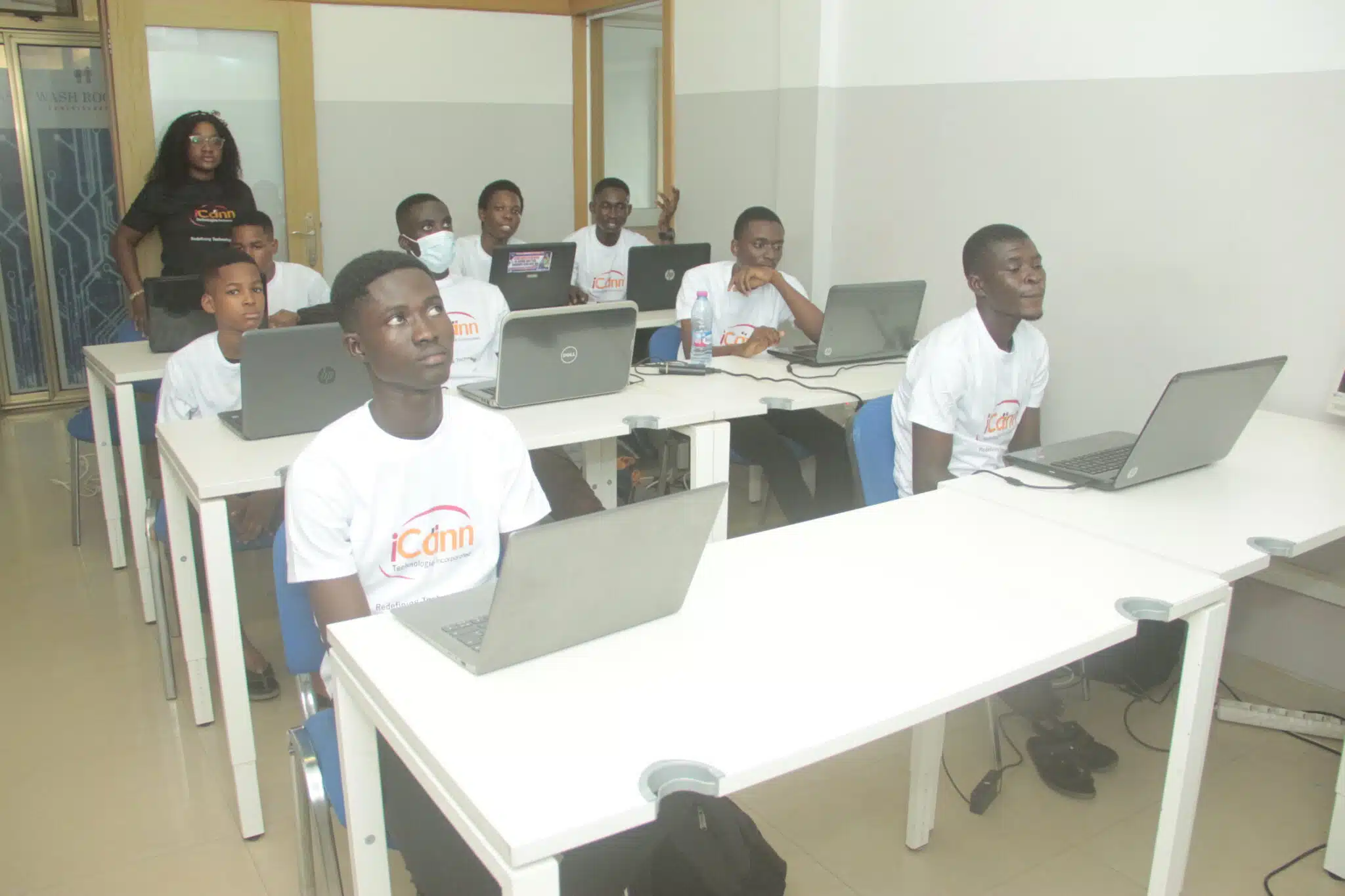
Welcome to iCann Technologies, where tech dreams become reality! At iCann Technologies, they’re all about providing the coolest tech services in town. Think of them as your team of tech superheroes, ready to save the day for your business or organization. And guess what, when it comes to graphics! Their graphic designers will make your brand shine like never before. Imagine eye-catching flyers that turn heads and t-shirt designs that make people ask, “Where did you get that?!” Their graphics team is all about taking your brand to the next level and leaving a lasting impression. Get ready for some serious “wow” moments! But wait, there’s more! Their web development and software team is all set to make your online presence sparkle like a supernova. They create sleek and stylish websites that will make your competitors green with envy. Whether you’re selling products or showcasing your company, their talented web developers have the skills to make it happen. But that’s not all! At iCann Technologies, they’re not just about delivering awesome services; they’re also passionate about nurturing talent. Their training programs are like magic schools for future software wizards. They have produced a bunch of certified brilliant developers who are ready to conquer the tech world. Join them and unleash your inner tech genius! Mark your calendars because iCann Technologies has some exciting events lined up. Their web development courses will blow your mind and equip you with all the skills you need to thrive in the digital landscape. And for all you creative souls out there, their graphics design tutorials will unleash your artistic superpowers. Get ready to bring your ideas to life in the most amazing way! Don’t just take my word for it, explore the testimonials and success stories from their satisfied clients. They are a testament to iCann Technologies’ ability to turn tech dreams into reality. With iCann Technologies, you can trust that your brand and business are in capable hands. As a Brand Consultant, I can personally attest to the exceptional services provided by iCann Technologies. Having tried and tested their offerings for all my brand needs, I can confidently say that iCann Technologies delivers outstanding results. From their website development expertise to their graphics design and software development capabilities, they have consistently exceeded my expectations. The iCann team’s commitment to excellence, professionalism, and innovation shines through in every project they undertake. If you’re seeking a trusted partner to transform your brand and unlock its full potential, I highly recommend experiencing the power of technology with iCann Technologies. They are the real deal! NEXT: Find out more about TwoCents and why you should sign-up.
Ghana’s Prince Gyasi chosen to create 2024 Pirelli Calendar

Prince Gyasi, a talented Ghanaian photographer known for his hyper-real style, has been chosen to create the highly anticipated Pirelli calendar. With a strong commitment to representation and culture, Gyasi has revealed that a portion of the project will be based in his home country. Gyasi’s distinctive visual aesthetic is influenced by his experience with synaesthesia, a condition that intertwines the senses. In his case, he associates colors with words, resulting in vibrant and captivating compositions. From aquamarine to “Wednesday,” his work is infused with an explosion of hues that evoke a sense of life and energy. Considered a visual artist first and foremost, Gyasi initially ventured into the world of photography more freely when he acquired an iPhone at the age of 16. Prior to that, he nurtured his passion by experimenting with disposable cameras during his childhood. Since then, his talent has taken him around the world, exhibiting his captivating imagery in countries such as Japan, Brazil, and France. The Pirelli Calendar, often referred to as “The Cal,” is a highly regarded annual publication that not only showcases the featured talent but also highlights the creative vision of the chosen photographer. Originating in 1964, the calendar is published by the U.K. subsidiary of the renowned Italian tire manufacturing company, Pirelli. Throughout its history, the Pirelli Calendar has earned a reputation for its careful selection of photographers and models, presenting glamour photography that has captivated audiences from the 1980s to the 2010s. Now, for the highly anticipated 2024 edition, the responsibility of crafting this iconic calendar has been entrusted to the self-taught Ghanaian prodigy, Prince Gyasi. This appointment not only recognizes Gyasi’s immense talent but also signals a significant shift towards embracing diversity and promoting underrepresented voices in the world of art and fashion. By inviting Gyasi to lead this project, Pirelli demonstrates its commitment to breaking boundaries and showcasing a more inclusive and culturally rich perspective. As fans eagerly await the release of the 2024 Pirelli Calendar, there is no doubt that Prince Gyasi’s distinctive style, rooted in his Ghanaian heritage and inspired by his unique synesthetic experiences, will captivate audiences and leave an indelible mark on this iconic publication. Through his lens, the world will witness a celebration of culture, representation, and the boundless creativity that emerges when diverse perspectives are given a platform. READ NEXT ON: Former Chairperson of National Commission for Civic Education, Josephine Nkrumah, Honored with Law Doctorate