Experience A Cultural Escapade At The Kumasi Culture Center

The Kumasi Culture Center is a vibrant and buzzing hub of Ghanaian culture that offers visitors an unrivaled opportunity to explore the richness and diversity of Ghana’s cultural heritage. As a recent visitor to the Center, I was struck by the variety of exhibits and activities available, all of which emphasized the depth and complexity of Ghanaian culture. The sheer volume of artwork and antiques on display was striking. There was no shortage of magnificent art to savor from handmade wood carvings to vibrant tapestries and intricate beadwork. A comprehensive insight into the numerous facets of Ghanaian culture was featured in the Center’s exhibits on indigenous farming practices, tribal customs, and religious rituals. Beyond the exhibits, the Center gives visitors the chance to engage with artists and artisans alike. I witnessed first-hand crafters at work producing handmade crafts using traditional techniques that have been passed down through generations. I even observed an expert miniaturist paint ancient household implements. His patience and attention to detail enthralled me. I also saw a live performance of Adowa, a traditional dance of the Ashanti people passed down for centuries from one generation to another. It was evident that this dance was significant to the audience who had gathered to watch the dance from their cheering and smiling faces. The dancers moved gracefully and were adorned with vibrant costumes and dazzling beads/jewelry. History of the Kumasi Culture Center The idea for the Center was first proposed in the 1960s by the Ghanaian government as part of its commitment to promoting Ghana’s culture and identity. The idea was to create a cultural hub that would reflect the country’s diverse cultural heritage, bring people together, and foster national unity. It was believed that the Kumasi Cultural Center would catalyze the promotion and development of Ghanaian arts and culture. The Kumasi Cultural Center was officially opened in 1980 by then-president Hilla Limann. The center covers an area of about 10 acres and comprises several facilities, including an amphitheater, a museum, an exhibition hall, a library, a craft village, and a restaurant. The center provides a platform for artists and cultural practitioners to showcase their talents and promote Ghana’s cultural heritage. The amphitheater is the most significant facility within the Kumasi Cultural Center. It can seat up to 5,000 people and serves as the primary venue for cultural performances and events, including music and dance shows, plays, and festivals. The amphitheater has hosted numerous cultural events that have attracted both local and international visitors. These events have contributed to the promotion of Ghana’s culture and have generated revenue for the center. The museum, located within the Kumasi Cultural Center, is home to a collection of traditional Ghanaian artifacts, such as masks, sculptures, textiles, and musical instruments. The museum serves as a valuable resource for researchers, scholars, and students who are interested in Ghana’s cultural heritage. The exhibition hall, also located within the center, is used to showcase contemporary Ghanaian art and host temporary exhibitions. The craft village, located within the Kumasi Cultural Center, is a market where visitors can purchase handmade crafts and souvenirs made by local artisans. The craft village provides a platform for artisans to showcase their work and promote their crafts. The restaurant, located within the center, serves traditional Ghanaian dishes and provides a space for visitors to relax and socialize. Anyone interested in exploring Ghanaian culture should not miss the Kumasi Culture Center which is a treasure trove of this country’s rich heritage. Overall, my visit was a transformative experience that left me with a newfound appreciation for Ghana’s rich cultural legacy. I would recommend this destination to anyone seeking to deepen their awareness of West African culture and I look forward to returning myself in the future. READ NEXT ON: Kumasi in a Day: A Whirlwind Tour of Ghana’s Cultural Heartland
Kumasi in a Day: A Whirlwind Tour of Ghana’s Cultural Heartland

Kumasi, a bustling city in Ghana’s Ashanti region, is renowned for its colorful marketplaces, rich cultural heritage, and friendly locals. There are several places to see and things to do in Kumasi, even if you just have one day to spend there. Here is a guide to touring Kumasi in a day. Start your day with a visit to the Manhyia Palace Museum, the official residence of the Ashanti king. The museum is a fantastic resource for learning about the Ashanti people’s history and culture. The Ashanti traditions and customs will be highlighted through antiques, images, and other items. Expert guides provide more information on the background and the significance of the palace and the Ashanti empire. Afterward, proceed to the Kumasi Central Market, one of West Africa’s largest open-air markets. With sellers offering everything from traditional costumes to fresh fruit, the market is a hive of activity. The vibrant stalls and lively environment create a memorable sensory experience. Make sure to try some of the regional treats, such as kelewele (hot fried plantains) and bofrot (doughnuts). Next, take a short stroll to the neighboring Kejetia Bus Terminal to board a tro-tro (local minibus) headed for the Okomfo Anokye Sword Site. The fabled priest Okomfo Anokye is claimed to have buried a sword at this location, which is said to have held the Ashanti kingdom together. Visitors may now see the sword up close because it is now enclosed in a glass enclosure. Then take a taxi/tro-tro from the sword site to the Kumasi Culture Center, an ideal location to purchase souvenirs. This facility serves as a one-stop shop for all arts and crafts-related needs. Observe artists at work producing exquisite products like kente cloth, brass sculptures, and wooden carvings. For lunch, get authentic Ghanaian food at the Bush Canteen restaurant adjacent to the Culture Center. The menu features dishes such as banku (fermented corn and cassava dough), fufu (mashed cassava and plantains), and soup made with goat meat or fish. Wash it all down with some refreshing native beverages such as sobolo (hibiscus tea) or palm wine. End your tour by visiting Lake Bosomtwe, an idyllic setting for swimming and fishing whose surroundings are dotted with little towns and guesthouses. Go for a stroll along the lake’s picturesque shore or hire a boat to go sailing on the crystal-clear waters or even play ball at the water banks. This charming location has something for everyone to create unforgettable memories that will last a lifetime. Kumasi is a city that is bursting with culture and history, and a single day is hardly enough to get a taste of its rich culture and history. However, even a brief visit to Kumasi can leave a lasting impression on anyone eager to experience the vibrant energy of this city. Whether you’re a history buff, a shopaholic, or simply looking for a peaceful escape, Kumasi has something for everyone. Are you visiting Kumasi anytime soon? READ NEXT ON: Bobiri Forest Reserve and Butterfly Sanctuary
Discovering serenity and introspection: The St. Mary Sanctuary Grotto in Kumasi

St. Mary Sanctuary Grotto is a stunning place of worship in Kumasi, the second-largest city in Ghana. The Sanctuary is a grotto-like underground chapel that offers a tranquil and pleasant setting for guests to pray and meditate. The Grotto is adorned with beautiful and intricate carvings, murals, and sculptures that depict various biblical stories and characters. These include Moses with the Tablets containing the 10 Commandments, the Holy Family, Archangel Michael, the Crucifix, and the ascension of Jesus Christ. In the Sanctuary are various depictions of the 4 mysteries of the Holy Prayers, the Stations of the Cross, and the Sorrows of the Virgin Mary. The centerpiece of the sanctuary is a statue of the Virgin Mary, encircled by candles and flowers, adding to the peaceful ambiance of the space. There is also a temple built atop the hail with the most beautiful altar. St. Mary Sanctuary Grotto is a popular destination for Catholic pilgrims and tourists seeking a serene setting for prayer and reflection. The chapel can accommodate up to 500 people and offers regular services throughout the week. Father Andrew Campbell, a Catholic priest, built the grotto in 1974, inspired by the Lourdes Grotto in France. He aimed to offer the locals a tranquil retreat or peaceful sanctuary to build their faith and find solace in difficult times. Today, the Grotto is a revered religious and cultural landmark in Kumasi, drawing visitors across Ghana and beyond. Whether you are a devout Catholic or simply seeking a moment of quiet contemplation, the sanctuary offers a unique and profound experience that is not to be missed. In my time of stress, confusion, and contemplation of my future, I found peace and reflection, a valuable balm for my soul. I humbly urge everyone traveling to Kumasi to visit the sanctuary to experience its unique beauty and serenity. Direction to the St. Mary Sanctuary Grotto The Grotto is located in the heart of Kumasi, just a few minutes’ drive from the city center. Here are the directions to the grotto: Alternatively, you can take a taxi or a tro-tro (local minibus) from the city center to the grotto. Many drivers and conductors are familiar with the location and can drop you off at the entrance. READ NEXT ON: Kwame Nkrumah Mausoleum and Memorial Park
Ghana Hosts the 3rd AAA Conference

The African Arbitration Association (AAA), established in 2018 is a non-governmental pan-African organization aimed at developing the practice of International Dispute Resolution mainly through arbitration. They do this by providing access to information/technical knowledge, enhancing awareness of arbitration activities, facilitating member coordination, and recognizing great contributions to the development of International Arbitration and Alternative Dispute Resolution (ADR) in general. The first AAA conference took place in 2019 in Kigali. However, Covid ensured that the second conference was done virtually and a year behind schedule. This year, Ghana had the honor of hosting the 3rd AAA Conference from 3rd to 5th November 2022 at the Mövenpick Ambassador Hotel, Accra. The theme ‘Africanisation of International Dispute Resolutions’ brought together professional arbitrators, students aspiring to become Arbitrators, lawyers or non-lawyers alike looking to explore arbitration as a dispute resolution mechanism, and over 45 speakers and keynote speaker, Chief Olusegun Obasanjo, Former President of the Federal Republic of Nigeria. The 3-day event commenced with a captivating opening ceremony. There was a beautiful display of Ghanaian cultural dances by the Ghana Dance Ensemble, a welcome address by Chief Bayo Ojo, president of AAA whose 3-year presidency ended with this conference, a Keynote address, a launch of SOAS 2022 Arbitration in Africa Survey, and a cocktail reception. Friday and Saturday saw active informative panel discussions divided into 8 sessions. Then the conference ended with an award ceremony and a Gala night. There was distribution of awards to both individuals and institutions who had promoted arbitration in Africa. The Gala night where participants were beautifully dressed in black and gold, ate and danced the night away to music provided by the National Symphony Orchestra and the live band. READ NEXT ON: Brilliant Legon Student Creates An Automated Twitter Bot That Estimates E-levy Charges
CIArb Successfully Launches A Chapter In Ghana

The Chartered Institute of Arbitrators (CIArb), through its Nigerian Branch, officially inaugurated a Ghana Chapter on Tuesday, 1 November 2022. Justice Nene Abayateye Ofoe Amagatcher delivered the keynote address. He recounted to the audience how Chief Christopher Adebayo Ojo and many others, including himself, had originally wanted to start this back in 2011. He discussed several instances where varied efforts made by numerous people to bring CIArb to Ghana had been derailed. He expressed his intense satisfaction at witnessing the realization of this dream even if it takes more than a decade. As a non-profit association of Alternative Disputes Resolution (ADR) specialists, CIArb has 42 branches spread throughout all continents over 150 jurisdictions with more than 17,000 professionals and 10,000 students as members. The Nigerian branch has four chapters including Abuja, Port Harcourt, Ibadan, and the recently opened Ghana chapters. The Ghana Chapter as stated in Rule 15.3 of Regulations of the CIArb, 2019 is necessary to promote and represent CIArb throughout Ghana, provide localized networking opportunities and also conduct technical activities, training courses, and assessments on behalf of the Nigerian Branch. The launch which took place at the Holiday Inn, Accra Airport Hotel began promptly at 9:00 am. The ceremony had distinguished personalities such as the keynote speaker, His Lordship, Justice Amegatcher, the Deputy Attorney-General of Ghana, Hon Diana Asonaba Dapaah, the Chairman of CIArb Nigerian branch, Chief J.A . Akingbola Akinola, the President of the African Arbitration Association (AfAA) Chief Bayo Ojo, and many ADR professionals and students. It is this writer’s hope that someday, the Ghana chapter would attain the title of the branch with chapters located in all sixteen regions of Ghana. That she someday lives in a world where ADR mechanisms such as arbi8tratin would no longer be referred to as alternative but as primary and preferred as stated new chair of the interim steering Committee, Nania Owusu-Ankomah(Mrs) stated at the inauguration. Until then, this inauguration is a step in the right direction and a beacon of hope to all ADR practitioners in Ghana. READ NEXT ON: Students at KNUST create a healthcare app for the hearing- and speech-impaired
ROAD USER LAWS 101: 5 Traffic Crimes relating to Zebra Crossings
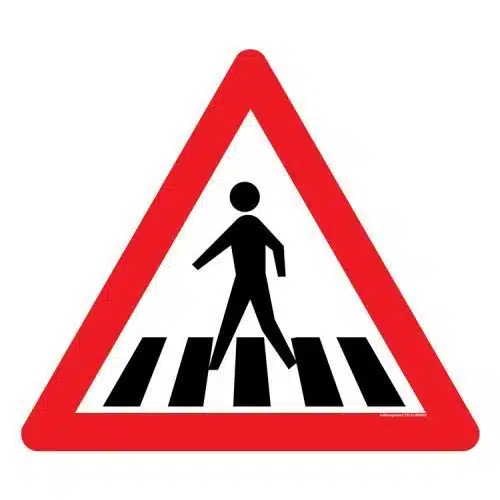
A Zebra Crossing is a type of pedestrian crossing. Pedestrian is derived from the Latin word ‘foot’. It describes people utilizing the street by walking or running as long as they are not traveling in a vehicle, motorcycle, or bicycle. In Ghana, pedestrian crossing popularly called ‘Zebra Crossing’ is defined as a marked section of a road where pedestrians can cross the road safely designated by appropriate road traffic signs. Laws that govern pedestrian usage of roads began with the promulgation of the Kansas City ordinance in 1912. The first legislation in Ghana to directly mention pedestrian crossing was the Road Traffic Offences Regulation, 1974 (LI 952). Currently, Road Traffic Regulation, 2012 (LI 2180) governs pedestrian crossing. Zebra Crossings Regulations Always remember that the pedestrian has the right of way over an approaching motor vehicle at the pedestrian crossing. Also, 1 penalty point equals GHc 12.00. READ NEXT ON: Meditation and mindfulness practices