The African Natural Hair

The African Natural Hair movement has a rich historical background that is deeply rooted in African civilization. From the 1940s until today, Africans have been known for their Afro-textured hair, which differs from the smooth texture of Europeans. Historically, hairstyles could indicate a person’s family background, tribe, and social status in African civilizations. However, during colonial rule, many Africans were forced to adopt European hairstyles and standards of beauty. This led to the widespread use of relaxers and other chemical treatments to straighten hair. After colonial rule, Africans dispersed across the globe due to the slave trade, and the natural hair movement began to gain momentum in the 1960s as a way to reclaim cultural identity and resist Eurocentric beauty standards. Today, the natural hair movement is experiencing a resurgence in popularity as more and more African women are embracing their hair texture and opting for chemical-free hair care methods. In Ghana, for example, the craze for natural afro-textured hair is on the rise, and women are experimenting with different ways to style and flaunt their natural hair. As more people embrace their natural hair, there is a renewed sense of pride in African heritage and cultural identity. The natural hair movement is not just a fashion statement but also a form of resistance against the beauty standards that have been imposed on black women for centuries. It is a celebration of diversity, individuality, and self-love. READ NEXT ON: 5 steps to achieving mental health
Dr. Vanessa Mensah-Kabu, Ghana’s youngest Medical Doctor ever at age 22.

Dr. Vanessa Aseye Mensah-Kabu is a Ghanaian medical doctor who graduated from DaLian Medical University in China. She made history in May 2015 when she was inducted as the youngest medical doctor in Ghana at the age of 22. In addition to her medical degree, Dr. Mensah-Kabu is also an alumnus of Holy Child Senior High School. After completing her medical degree, she started her work in horsemanship at Korle-bu Teaching Hospital, 37 Military Hospital, and Legon Hospital. Dr. Mensah-Kabu is currently a medical officer with the West African Rescue Association, where she attends to patients and manages diseases. She has been practicing medicine for over five years now, and her passion for health education and awareness is evident in her various initiatives and media projects. Aside from her medical career, Dr. Mensah-Kabu is also a model and fashionista. Her interests in fashion and modeling have allowed her to stand out from her peers, and she uses her platform to promote health education and awareness. Dr. Mensah-Kabu is married to Capt. Davison Mensah-Kabu, an army officer in the Ghana Armed Forces. Her achievements at a young age serve as an inspiration to young girls in Ghana and beyond, and she is proof that hard work and dedication can lead to great success. In her own words, “with my passion and drive to ensure health is understood by all through education, creating awareness through various initiatives and the media, coupled with my passion in other ventures such as fashion and modelling, I would say I stand out from the lot.” Dr. Vanessa Aseye Mensah-Kabu is a shining example of a young woman who has excelled in both her personal and professional life. Find more beautiful pictures of her on her Instagram page: https://www.instagram.com/its_yeeyee/?hl=en READ NEXT ON: Dr. Joyce Rosalind Aryee, an inspiration to the young
Dr. Joyce Rosalind Aryee, an inspiration to the young

Dr. Joyce Rosalind Aryee (born 27 March 1947) is a Ghanaian former politician, business executive, and minister. Aryee is recognized for having served Ghana for more than 40 years in both the public and private sectors. From 2001 to 2011, she served as the chief executive officer of the Ghana Chamber of Mines and was the first woman in Africa to have held that role. She has also held political roles in Ghana from the early years of the PNDC government. She is currently the executive director of Salt and Light Ministries, a para-church organization. She is an Honorary Council Member of the Ghana Association of Restructuring and Insolvency Advisors. Born to a Fante mother and a Ga father, Joyce is the second of four children. During her early years, she lived with her family in North Suntreso, Kumasi where she started her early years of education at Methodist Primary School and Methodist Middle School. She later went to Achimota School and graduated in 1969 from the University of Ghana, Legon with a Bachelor of Arts (BA) Degree in English. During her study at the University of Ghana, she took a job (during holidays) at West Africa Examination Council in the Test Development and Research Office (TDRO). Also, she worked at the Ghana Museums and Monument Board with the administration. From 1976 to 1981, she worked as a Public Relations Officer at the then-newly established Environmental Protection Council. Later moved to the Ghana Standards Board (currently Ghana Standards Authority) as Public Relations Officer. From 1982 to 1985, Aryee was appointed by the ex-president of Ghana Jerry John Rawlings as the secretary of information for the PNDC. From 1985 to 1987 she was Minister of Education and from 1987–88 Minister of Local Government. From 1988 to 2001 she was Minister of Democracy in the Office of the Prime Minister, and from 1993 to 2001 a Member of the National Defence Council. In 2006, Aryee was given the Second Highest State Award, the Companion of the Order of the Volta in recognition of her service to the nation. She is also the recipient of the Chartered Institute of Marketing, Ghana (CIMG), Marketing Woman of the Year Award for 2007, and the African Leadership on Centre for Economic Development’s African Female Business Leader of the Year Award for 2009. She was also awarded 2012 the Honorary Award of the Year, as well as was one of the pioneers and pillars of gospel music, at the Adom FM Ghana Gospel Industry Awards (GGIA) (2nd Edition). Joyce Aryee was also honored in mining and public service at the maiden edition of the Women in Excellence award in 2011 and was nominated as the “2011 Woman of the Year” by the American Biographical Institute (ABI). She was the first female to receive the Inspirational Woman Award at the Ghana UK Based Achievement (GUBA) Awards 2015 for creating change, which paved the way for women. Again, she won an award as the Public Relations Personality of the Year in 2014 from the Institute of Public Relations Ghana and was mentioned in the list of 100 Global Inspiration Women in Mining in the world. Aryee is an Honorary Fellow of the Ghana Institution of Engineers and received an Honorary Doctorate from the University of Mines and Technology in recognition of her immense contributions to the growth of the mining industry. Achimota School named their 17th dormitory, ‘Rev Joyce R. Aryee House’ after her, in honor of her selfless service to the nation and commitment as well as contribution to her alma mater. READ NEXT ON: Rosamond Asiamah Nkansah, First Woman to be Enlisted Into the Ghana Police Service
History of Prempeh College

Prempeh College as an educational institution is a product of a fruitful collaboration between the Kumasi Traditional Council, the Presbyterian and Methodist churches in the then Gold Coast, and the Colonial Central Government. Until 1949 when Prempeh College was founded, there was not a single government-assisted or recognized secondary school in Ashanti and the Northern Sector of the country. Students from these areas who were desirous of pursuing Secondary Education had to travel to the south to attend schools like Achimota, Accra Academy, Mfantsipim School, Adisadel College, St Augustine’s College, and PRESEC at Krobo Odumasi. The Colonial Government sought to correct this imbalance in the early 1940s by inviting the Presbyterian and Methodist Churches, which had proven experience in running institutions of learning to start a Secondary School for boys. After some delays caused by the Second World War, the final decision to open a school for boys in Kumasi was taken in 1948. Prempeh College, therefore, was founded to fill a void that had existed in Secondary Education for residents of Ashanti and the Northern Sector of the Country. Temporary accommodation was found for the Students on the premises of the 52nd Military Hospital. The Asantehene, Otumfuo Osei-Agyeman Prempeh II, who had taken a personal interest in the formation of the school donated the land which forms the present site of the school. The name Prempeh College was suggested by Major C.O. Butler, the then Chief Commissioner for Ashanti. The Ashanti colors of green and gold were adopted by the school. The first Headmaster, Rev. S. N. Pearson presented the school crest which incorporated the school colors and depicted the Ashanti stool as well as a cross, representing the role of the church. The original motto: “Oman pa fa pem ne suban pa” was changed to “suban ne nimdeɛ” in 1964. The School was opened on 3rd February 1949 with the arrival of 50 students, and its formal opening ceremony was attended by many dignitaries, including The Asantehene, Otumfuo Osei-Agyemang Prempeh II, Major C. O. Butler, Church Leaders, Chiefs and members of the Kumasi Traditional Council. The Asantehene maintained a keen interest in the school and was a frequent attendant at the School’s Speech and Prize-Giving Days. The first Headmaster, Rev. S. N. Pearson in his four-year term set the trailblazing by making discipline and academic work his principal occupation. He also started to replace the old buildings of the former 52nd Military Hospital. His successors continued to build on the solid foundation laid. Special mention is made of Dr. T. A. Osae, the first African headmaster who brought the work of his predecessors to fruition and built on it. Under him Prempeh was placed on a high pedestal, beating key schools academically for ten consecutive years, producing more students for medical schools than any other School, and becoming Champions in Athletics. Old Students (Amanfoﬤ) has instituted an annual Pearson – Osae Memorial Lecture in honor of these main pivots of Prempeh College’s success story. The invaluable contributions of all other headmasters, which cannot be recounted for time and space, have kept Prempeh in the limelight as one of the top second-cycle institutions in the country. Today the success story of Prempeh College has made it a school of choice for boys across the country. The vision and dreams of the Monarch and the others have become a reality and today alumni of the school are serving in many positions of responsibility in and outside the country. They have distinguished themselves as academics, politicians, doctors, lawyers, teachers, engineers, architects, traditional rulers, and officers in the security services. The school looks into the future with hope and will continue to make the sky the limit. Notable Alumni of Prempeh College READ NEXT ON: History of the Zebra Boys (Adisadel College)
Rosemond Asiamah Nkansah, First Woman to be Enlisted Into the Ghana Police Service

Rosemond Asiamah Nkansah was a Ghanaian trailblazer in law enforcement who made history as the first woman to be enlisted in the Ghana Police Service. Born on January 13, 1930, in Ghana, she attended Wesley Girls High School in Cape Coast, where she obtained a Senior Cambridge and Teacher’s Certificate ‘A.’ After teaching briefly, she joined the Ghana Police Service, then the Gold Coast Police Force, in 1952. Before her enlistment, the police force had been male-dominated since its establishment in 1894. Asiamah’s enlistment marked a significant milestone for Ghana, and her appointment brought about a vital shift in the treatment of women in the police force. Her appointment was due to the approval of Dr. Kwame Nkrumah, the then Leader of Government Business, who saw the need for the inclusion of women in the Police Force. After three months of intensive training, Asiamah and 11 other female recruits were enlisted on September 1, 1952, with a primary responsibility to handle issues and problems affecting women, children, and juveniles who were either victim of crime, missing, or had allegedly engaged in some form of crime. As the leader of the first-ever squad of policewomen, Asiamah was only 22 years old at the time, and her squad was tasked with a critical responsibility. However, it was a time when policewomen were not allowed to marry or get pregnant, and any who did were forced to resign. Nonetheless, Asiamah felt that it was unfair and against the rights of women to restrict them from getting married and giving birth while their male counterparts were allowed to marry and spend time with their families. Therefore, before her resignation, she petitioned the government to allow policewomen to marry and have children and also to reinstate those who resigned to raise families. Her petition was accepted, and the condition that prevented women from serving long on the force, due to marriage and pregnancy, was abolished. This opened the door for more women to join the police force, and Asiamah’s contribution and advocacy for women’s rights and inclusion will always be remembered in the history of the Ghana Police Service. She resigned on May 16, 1958, after five years and nine months in active service, wanting to marry and start a family of her own. After her resignation, Asiamah taught at St. John’s Grammar School from 1961 to 1964 as a professional teacher because of her certification before being enlisted in the Gold Coast Police Force. She then joined the Ghana Broadcasting Corporation in 1965 and headed the School broadcasting programs for a year. Asiamah retired from active service in 1999 to focus primarily on writing books. She wrote several books and also translated words in her book “Octagon” into foreign and local languages. Asiamah’s advocacy and activism for women’s rights and inclusion continue to inspire many women in Ghana and beyond. Her contribution and legacy will always be remembered in the history of the Ghana Police Service, and she will remain a role model for women in law enforcement and beyond. Asiamah passed away on February 20, 2021, at the age of 91, but her remarkable story and legacy will continue to inspire generations to come. READ NEXT ON : Madam Akua Kuenyehia, retired ICC judge and former First Vice-president of the Court
Meet Madam Akua Kuenyehia, retired ICC judge and former First Vice-president of the Court

Akua Kuenyehia is a distinguished Ghanaian academic and lawyer with a notable career spanning several decades. She served as a judge of the International Criminal Court (ICC) from 2003 to 2015, where she was elected as the First Vice-president of the Court and President of the Appeals Division. Notably, she was one of only three female African judges at the ICC. Prior to her appointment at the ICC, Kuenyehia worked as a Barrister and Solicitor at the Supreme Court of Ghana and as a Law lecturer. Her advocacy for women and human rights was also evident through her representation of Ghana on the United Nations Convention on the Elimination of All Forms of Discrimination against Women (CEDAW) committee in 2003. Kuenyehia has received numerous accolades for her contributions to law and academia. She is an Honorary Fellow of Somerville College, and a member of the Crimes Against Humanity Initiative Advisory Council, a project of the Whitney R. Harris World Law Institute at Washington University School of Law in St. Louis. Additionally, she has spent most of her professional career teaching at the University of Ghana, where she served as Dean of Law, and as a visiting professor at other institutions including Leiden University and Temple University. Currently, Kuenyehia serves as President of Mountcrest University College, Ghana. She was born in Akropong, Akuapem in Ghana, and obtained her first degree from the Faculty of Law, University of Ghana, Legon. She then went on to earn a BCL from Somerville College, Oxford University, where she became the first female to be appointed as a law professor at the University of Ghana. Kuenyehia has extensive experience as a solicitor, advocate, and law teacher, and was Dean of the Faculty of Law of the University of Ghana for seven years before her election to the ICC. Her pioneering work advocating for equal opportunity, justice, and development for women in Ghana and around the world is reflected in her co-authorship of a textbook on Women and Law in Sub-Saharan Africa, published in August 2003, which is currently the only comprehensive textbook on the subject. The Akua Kuenyehia Foundation The Akua Kuenyehia Foundation (AKF) is a Ghana-based not-for-profit organization founded by the children of H.E Judge Akua Kuenyehia, first Vice-President of the International Criminal Court in The Hague, Netherlands, in her honor. It is a private foundation committed to the development and empowerment, through formal education, of women in Ghana. The overarching purpose is to nurture and develop a passion for knowledge in Ghanaian girls, especially those from underprivileged backgrounds, and a zeal for service to society by enriching the lives of these young women through educational scholarships and mentorship programs. Learn more about the foundation: https://akuakuenyehiafoundation.org/ READ NEXT PIECE ON: Identical Ghanaian Twins inducted as Pharmacist and Medical Doctor
History of Adisadel College
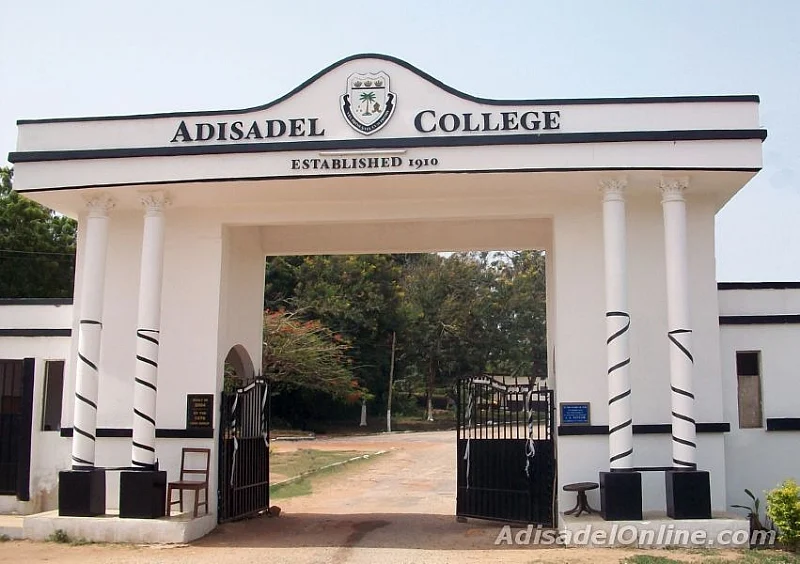
Adisadel College, known as “ADISCO”, is a historic boys’ boarding school located in Cape Coast, Ghana. It was founded in 1910 by the Right Reverend Nathaniel Temple Hamlyn, then Anglican Bishop of Accra, with the aim of establishing a grammar school to provide education for the sons of Anglicans in the colony and also serve as a training ground for the clergy. The school was initially located at Topp Yard, near Christ Church School in the vicinity of Cape Coast Castle, with an initial enrollment of 29 boys. Over the years, Adisadel College has grown in size and reputation. In 1935, the school had expanded to accommodate approximately 200 pupils, and in 1950, the school buildings were extended by Maxwell Fry and Jane Drew. By the time of the school’s Golden Jubilee in 1960, student enrollment had risen to 545. Today, Adisadel College is one of the most famous institutions of learning in sub-Saharan Africa and the second-oldest secondary school in Ghana, after its arch-rival Mfantsipim School, which was established by the Methodist Church in 1876. The school has produced several prominent figures in Ghanaian society, including politicians, business leaders, and academics. As of 2010, Adisadel College had over 1500 boarding students and 93 teachers, marking its centenary anniversary. The school has a strong academic tradition and offers a wide range of subjects, including science, arts, and business studies. It also has an excellent sports program, with a track record of producing talented athletes in sports such as soccer, hockey, and athletics. The competitive nature of Adisadel students can be found in the school motto “Vel Primus, Vel Cum Primis”, a Latin phrase which translates “Either the first or with the first. Adisadel College has a strong alumni network, and former students are known as “Old SANTAS.” The school is an important part of the cultural and educational landscape of Ghana and continues to uphold its tradition of academic excellence and service to the community. Notable Alumni of Adisadel College READ NEXT ON: The Humble Beginning of Wesley Girls’ High School
Homowo Festival celebrated by the Gas

The Homowo festival is a significant harvest celebration that is deeply rooted in the culture and traditions of the Ga people in Ghana. This festival is celebrated annually in the month of August, before the onset of the rainy season, and is observed by various towns and communities in the Greater Accra region where the Ga people reside. The origin of Homowo is traced back to the pre-colonial era when the Ga people experienced a severe famine as a result of the failure of seasonal rains, which led to crop failure and widespread hunger. However, when the rains finally returned, the Ga people celebrated this renewal of life by creating the Homowo festival. The name Homowo is derived from the Ga language, with “Homo” meaning “hunger” and “woo” meaning “to hoot or jeer.” Thus, the festival signifies “to hoot at hunger,” and celebrates the triumph over hunger and famine. The festival starts with the planting of crops such as maize and yam, which are used in preparing the traditional dish known as Kpokpoi or Kpekple. This dish is made from maize flour, mixed with palm oil and fish, and is eaten with palm nut soup. During this period, noise-making is prohibited to ensure that the crops mature properly. It is believed that any noise made during this period will hinder the growth and development of the crops. As the festival progresses, various towns and communities hold their own celebrations, with the climax of the festival being celebrated in Gamashie. The festivities include traditional dances such as the Kpanlogo dance, which is a popular dance form among the Ga people. The dance is characterized by energetic movements and is usually accompanied by drumming and chanting. In addition to the Kpanlogo dance, the Homowo festival also features merrymaking, face painting, singing, and chanting. Traditional leaders and family heads also sprinkle the Kpokpoi in their family house, while others sprinkle it around the town. The celebration usually involves a lot of traffic and roads are often blocked off to accommodate the festival. Some of the towns that celebrate the Homowo festival include La, Teshie, Teshie Nungua, Osu, Ga-Mashie, Tema, Prampram, and Ningo. Although the festival is primarily a Ga tradition, people from other ethnic groups are also welcome to join in the celebrations. The festival has become an integral part of Ghanaian culture and is widely celebrated across the country. READ NEXT ON : Asogli Yam Festival
The Humble Beginning of Wesley Girls’ High School
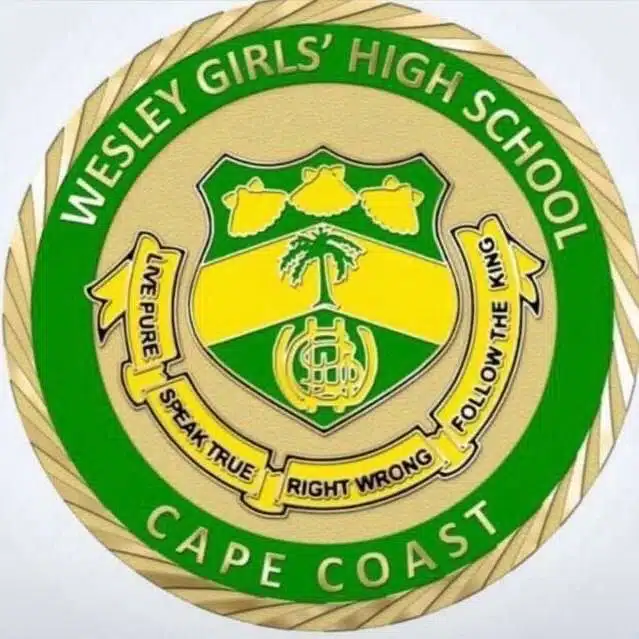
Founded in 1836 by Mrs. Harriet Wrigley, the wife of the 2nd Methodist Missionary to the Gold Coast, Wesley Girls’ High School began with 25 girls and aimed to provide them with basic training in housekeeping and Catechism, as well as education in writing, reading, sewing, and religious studies. Classes were initially held at the Manse, in the Standfast Hall near the Victoria Park in Cape Coast. However, Mrs. Wrigley passed away just five months after the school’s founding. It wasn’t until 1837 that Mrs. Elizabeth Waldron assumed leadership and ran the school for 43 years, laying a solid foundation for what would later become the Wesleyan Girls’ School and Training Home. Students at the school quickly became known for their values of fortitude, integrity, and truthfulness. The school’s high academic standards led the Methodist church to provide funding for higher education for girls, and in 1884, Rev. W.M. Cannell started the Secondary section of the school with 20 girls while serving as the Headmaster of Mfantsipim School. However, funding shortages led to intermittent closures of the school’s primary and secondary sections, and at one point, it had to team up with Mfantsipim as a co-educational Secondary School under a new name, the Collegiate School. By 1900, the school was independent again, with Mrs. H.J. Ellis serving as Headmistress. Sister Evelyn Bellamy, a deaconess, then headed the school from 1914 to 1943 and made significant contributions to its constructive work and able leadership. During her tenure, Dr. Kwegyri Aggrey famously stated that “to educate a boy is to educate an individual, but to educate a girl is to educate a family” when he visited the school on June 8, 1925. In 1951, the Secondary School section was permanently separated from the primary when Miss Olive Compton moved it to its current location at Kakumdo. Miss Compton conceptualized the school as H.M.S. Excellence and had the school designed to reflect this. The High School continued to excel, while the primary section struggled to regain its former glory. Today, Wesley Girls’ High School remains one of the best girls’ schools in Ghana, known for its academic excellence and all-around outstanding performance. Live Pure, Speak True, Right Wrong, Follow The King NOTABLE ALUMNI OF WESLEY GIRLS’ HIGH SCHOOL READ NEXT ON : History of Presbyterian Boys’ Secondary School (PRESEC)
Explore the highest waterfall in West Africa; Wli Waterfalls

Wli Waterfalls, situated in the Hohoe municipality of the Volta Region of Ghana, is the highest waterfall in Ghana and the tallest in West Africa. The locals refer to it as Agumatsa waterfalls, which translates to “Allow Me to Flow.” The falls consist of a lower and an upper fall. A trek through the Agumatsa wildlife sanctuary is an opportunity to observe a vast array of wildlife such as fruit bats, butterflies, birds, monkeys, and baboons. The Wli Waterfalls provide an astonishing view and is around 280 kilometers from the capital, Accra. It’s a great place to visit at any time of the year, particularly from April to October when the falls are more audible. Most tourists are attracted to the lower falls, while others seeking adventure can explore the upper falls. There are several things to do when visiting the Waterfalls, including a hike with a tour guide, a walk through the Agumatsa Wildlife Sanctuary, or a visit to the village ostrich farm – a new project with an NGO to create sustainable jobs through the sale of eggs. To all tourists If you’re looking for a beautiful and adventurous destination to visit in Ghana, Wli Waterfalls is a great place to consider. Located in the Hohoe municipality of the Volta Region, Wli Waterfalls is the highest waterfall in Ghana and the tallest in West Africa. Here are some reasons why you should visit: Direction to Wli Waterfalls READ NEXT ON : Paradise in Kintampo