Beyond the Face: Nana Aba Anamoah

Nana Aba Anamoah, known by her birth name Rosemond Nana Aba McEwan-Anamoah, is a prominent figure in the Ghanaian media landscape. Born on June 19, 1980, she has made a significant impact as a media personality and has gained recognition for her contributions to journalism and broadcasting. With a passion for both media and football, Nana Aba Anamoah has established herself as a multi-talented individual with a wide range of accomplishments. During her time at TV3, Nana Aba Anamoah played a pivotal role as a news presenter and also hosted popular shows like The Divas Show. Her dynamic on-screen presence and ability to engage with viewers made her a beloved figure in households across Ghana. However, she didn’t limit herself to just presenting news; her talents extended to hosting various programs that resonated with audiences from different walks of life. In her current role, Nana Aba Anamoah holds the esteemed position of General Manager at both GHOne TV and Starr 103.5 FM. Her influence and expertise are evident as she oversees the operations of these prominent media outlets. With her wealth of experience and deep understanding of the industry, Nana Aba Anamoah continues to shape the media landscape in Ghana. Nana Aba Anamoah’s impact isn’t confined to the media realm alone. She is also recognized for her advocacy efforts in women’s football in Ghana. As an ambassador for women’s football, she has championed the cause and worked to elevate the visibility and support for women’s involvement in the sport. Her dedication to this cause serves as an inspiration to aspiring female athletes across the country. Beyond her advocacy work, Nana Aba Anamoah is actively engaged in the world of Ghanaian football. She serves as a member of the Women’s Premier League committee, contributing her insights to the development and growth of women’s football in the nation. Her passion for the sport extends beyond advocacy, as she is an avid supporter of both Manchester United and Accra Great Olympics. Her enthusiasm for football reflects her commitment to promoting sports and fostering a sense of unity and community among fans. Nana Aba Anamoah’s educational background is equally impressive. She attended Ghana National College and pursued studies in Development Finance at the University of Ghana Business School. Seeking to enhance her leadership skills, she also took part in Executive Education programs, including one focused on 21st Century Leadership at the prestigious Harvard Kennedy School, which is part of Harvard University. The recognition of Nana Aba Anamoah’s contributions comes in the form of various awards and honors. She has been acknowledged as the TV Personality of the Year at the RTP Awards in both 2017 and 2019, a testament to her enduring impact on the media industry. The Glitz Africa Awards in 2018 celebrated her as the Female TV Personality, further solidifying her position as a role model for aspiring media professionals. Her achievements extend beyond her on-screen presence. Nana Aba Anamoah has been repeatedly honored as the TV News Anchor of the Year in multiple years, showcasing her consistent excellence in journalism. Additionally, she received the TV Development Show Host of the Year award at the RTP Awards in 2018, highlighting her versatility in hosting engaging and informative programs. In 2019, Nana Aba Anamoah’s outstanding contributions were acknowledged with Excellence in Media Honors at the prestigious Ghana Women of the Year Honors event. This recognition serves as a testament to her dedication to her craft and her impact on shaping the media landscape in Ghana. Nana Aba Anamoah’s life is a testament to the transformative power of determination, passion, and hard work. Her journey from a news presenter to a General Manager, an advocate for women’s football, and an influential voice in Ghanaian football showcases her multifaceted talents and unwavering commitment to making a positive difference in various spheres. Read next about Sam Jonah
Don’t Stay in a Job Just to Help Others: It’s Your Turn to Shine!

Have you ever found yourself in a job because you wanted to help someone out or help others? That’s kind-hearted of you, but it’s important to also think about what’s best for you. Let’s chat about why staying in a job just to do someone a favor might not be the best choice for your own journey. The “Helping” Trap Imagine you’re wearing shoes that don’t fit well. Staying in a job just to help someone might feel a bit like that. Sure, it’s nice to lend a hand, but your job should also make you happy and excited. If it doesn’t match what you like to do, you might miss out on awesome opportunities. Your Awesome Strengths Did you know you have superpowers? Well, not the flying kind, but unique talents that only you have. Staying in a job that doesn’t fit your talents is like a superhero not using their powers. Your job is your chance to shine and show the world what you’re good at. Feeling Tired and Unhappy Imagine doing something that doesn’t make you happy. It’s like having a backpack full of heavy rocks. Staying in a job just for others can make you tired and unhappy. It’s better to find a job that feels exciting and makes you feel light and happy. Smart Moves for You Remember, your career journey is like a puzzle, and you’re the one putting the pieces together. Helping others is wonderful, but your happiness matters too. Finding a job that fits you well is like finding the perfect puzzle piece. So, go out there, chase your dreams, and show the world your special talents! You can also read on : How to Overcome Your Obsession with Helping Others READ NEXT ON: The Sneaky Extra Role Game: When Companies Take Advantage of Employees
Kezia Asiedua Sanie becomes youngest Board member for Head of State Awards Scheme
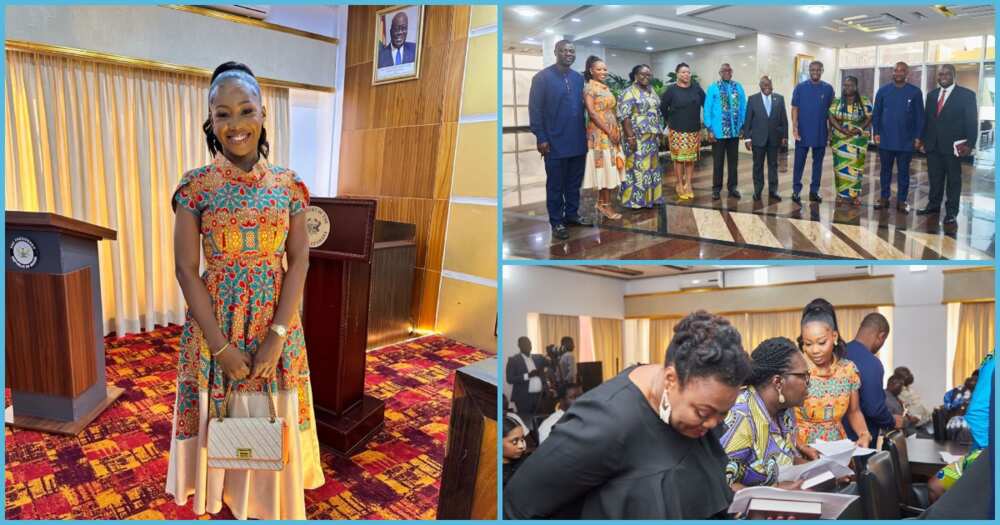
Kezia Asiedua Sanie, a 23-year-old aspiring lawyer and visionary social entrepreneur, founder and president of For The Future (FTF) Ghana, an NGO dedicated to addressing child poverty and educational inequalities, was recently sworn in as a member of the Board of Trustees for the Head of State Awards Scheme. This event took place on August 11, 2023, at the Jubilee House, with President Nana Addo Dankwah Akuffo-Addo officiating the ceremony. The Head of State Award Scheme (HosA) is a prominent youth development program empowering individuals aged 14-24 to discover their potential and purpose. It transcends formal education boundaries, recognizing the remarkable abilities of young people and enabling them to cultivate hidden talents, foster leadership skills, and make a positive impact in their communities. The Board of Trustees plays a pivotal role in overseeing the Scheme’s operations, maintaining its sustainability, and ensuring adherence to its mission. Kezia Sanie’s appointment as a Trustee is a testament to her dedication and passion for driving change among the youth. Her role signifies a fresh perspective, contributing to discussions and strategies that shape the Scheme’s direction. With her commitment to quality education and social equity, Kezia’s involvement aligns perfectly with the Scheme’s inclusive approach, offering young individuals the opportunity to discover their purpose and create positive change in society. President Akufo-Addo emphasized the Scheme’s significance in bridging the skills gap among young Ghanaians, enabling them to become well-rounded citizens and contribute to the nation’s development. As the youngest Trustee, Kezia embodies the belief that every child deserves access to quality learning opportunities. Her role is pivotal in steering the Scheme towards creating avenues for exploration, innovation, and creative solutions to societal challenges, fostering the growth of Ghana’s future leaders. As a Trustee, Kezia contributes directly to a program that resonates with her values and goals, enabling her to advocate for quality education and address inequalities. Her appointment reflects a commitment to positive change and demonstrates that young leaders have the power to shape the future of Ghana and beyond. READ NEXT ON: GLEIF Board Welcomes Ghanaian Tech Leader Angela Kyerematen-Jimoh
Ghanaian Cuisine: Konkonte
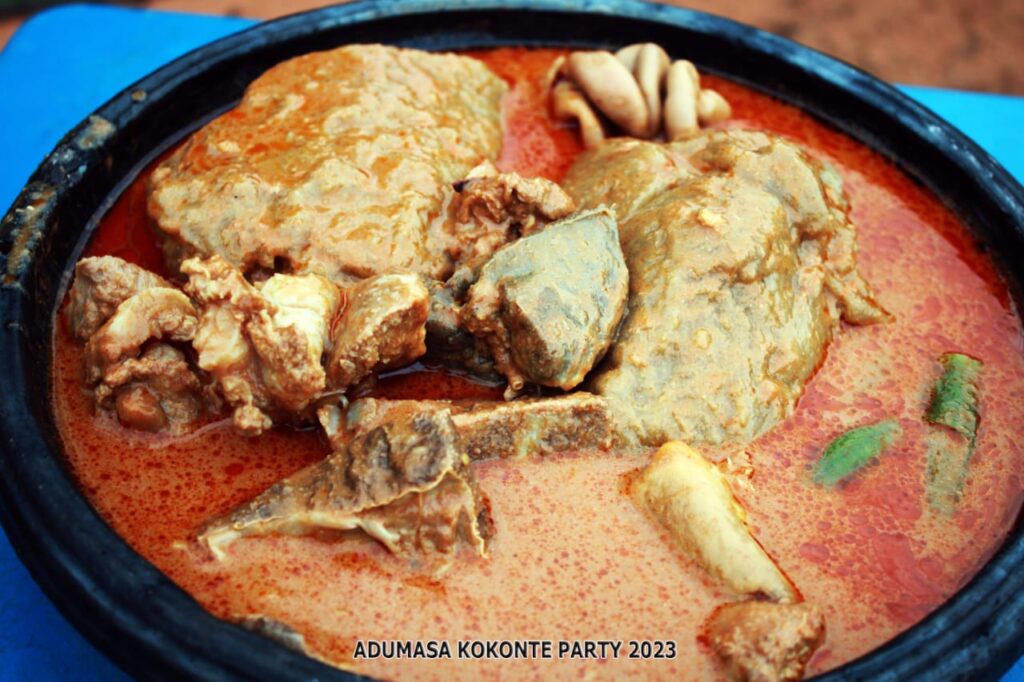
Ghanaian Cuisine: Konkonte, also known as “abeti3,” “lapiiwa,” “lapelawa,” or “face the wall,” is a staple food popular among different ethnic groups like the Ga, Akan, and Hausa. This dish comes in shades of brown, grey, and deep green, depending on the ethnic group preparing it. Made from dried cassava or yam, kokonte is a traditional Ghanaian dish often accompanied by soups made from palm nut or groundnuts. Its English name, “brown fufu,” closely resembles tapioca, a Brazilian delicacy, and is widely enjoyed in the Volta Region of Ghana. Kokonte is a straightforward dish crafted from dried and pounded cassava or manioc root, which transforms into a brownish appearance during preparation. This dish plays a significant role in the culinary culture of the Akans and other ethnic groups within the Kwa languages. The final appearance of konkonte varies based on the type of cassava used and the extent of drying. It generally exhibits shades of brown and even chocolate-brown hues. This color resembles the top school uniform worn by students across many parts of Ghana. The process of preparing konkonte begins with obtaining cassava from farms or local markets. Cassava is widely consumed due to its affordability, making it a staple in Ghanaian diets. To make the dish, cassava is peeled, washed, and cut into chips, which are then sun-dried before being ground into powder. The drying process affects the appearance of the cassava chips and, consequently, the final dish. Farmers in Ghana employ various drying methods, with natural sun drying being the preferred option. Cassava chips left undried for extended periods can develop a brownish-like algae on their surfaces, which affects the appearance and taste of the konkonte. To transform the dried chips into powder, they are pounded or ground. The resulting powder is then mixed with either room temperature or hot water. The mixture is stirred over heat until it thickens, after which it’s kneaded and cooked further. The consistency can be adjusted by adding more hot water if needed. For serving, there are two common methods. In the first, a portion of konkonte is placed in a wet bowl, its edges drawn to the middle to create a smooth base for pouring soup over. Alternatively, some people scoop a portion into a bowl and pour soup over it. Kokonte holds cultural significance in Ghana’s culinary heritage, reflecting the resourcefulness and creativity of its people in transforming simple ingredients into a satisfying and flavorful dish. NEXT CUISINE: Ghanaian Snack: Roasted Plantain (Kofi Brokeman)
Why Ghana’s Capital City Changed from Cape Coast to Accra
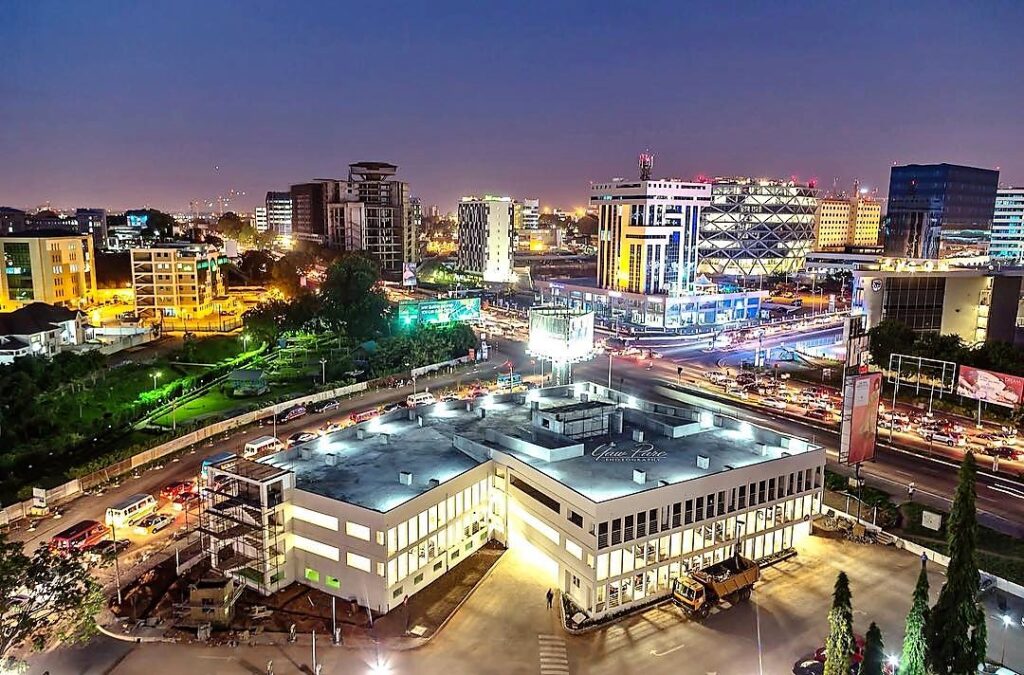
One of Ghana’s most historic cities, Cape Coast, situated on the Gulf of Guinea, played a pivotal role in the transatlantic slave trade and was originally known as Carbo Corso, a distorted version of “Corsican Cape.” It served as the inaugural capital of the Gold Coast. Starting from the 16th century, Cape Coast became a stronghold for various European nations, including the Dutch, Portuguese, Swedish, and eventually the British. It evolved into a crucial center for trade, particularly in slaves and valuable resources such as gold, with the Europeans leaving a lasting architectural legacy through lodges, forts, and other structures. Cape Coast was not only a strategic base for European operations but also a significant hub for Asante traders, a vital port, and the British commercial and administrative capital. The Cape Coast Castle, initially constructed by the Swedish and later seized by the British in 1663, served as the administrative headquarters for the Gold Coast Colony and emerged as an educational center, hosting pioneering schools like the Philip Quaque Boys’ school. However, Cape Coast lost its status as the Gold Coast’s first capital in 1877 when Accra assumed the role of the administrative capital under British colonial rule. During the British presence in Cape Coast, the controversial window tax was introduced, attempting to generate revenue based on the number of windows in each household. This measure faced strong opposition from the local population, leading to the relocation of the seat of government to Accra. Accra, which officially became a city on June 29, 1961, under Ghana’s first President Dr. Kwame Nkrumah, replaced Cape Coast as the new colonial administration center. Over the years, Accra has experienced rapid growth and transformation into a prosperous trading and educational hub, serving as the commercial and economic center of Ghana. The city’s development, marked by the establishment of railways and municipal councils, has positioned Accra as one of the fastest-growing cities in Africa since the pre-colonial era. READ NEXT ON: History of Kotoka International Airport
7 Tips to Ace Office Chit-Chat for Corporate Success

Effective office chit-chat might seem like small talk, but it holds the power to shape your corporate journey. These seemingly casual conversations can significantly impact your relationships, professional growth, and overall success within the corporate world. To master the art of office chit-chat and leverage it for corporate success, consider these seven essential tips. 1. Be Genuine and Authentic Authenticity is key in any conversation, and office chit-chat is no exception. Be yourself and let your genuine personality shine through. People appreciate sincerity, and building trust through authentic interactions can lay a strong foundation for lasting professional relationships. 2. Listen Actively Engage in active listening during office chit-chats. Pay attention to what others are saying, ask follow-up questions, and show genuine interest in their experiences. Active listening not only helps you gather valuable information but also demonstrates respect and consideration for your colleagues. 3. Choose Relevant Topics When engaging in office chit-chat, choose topics that are relevant to the workplace and the people you’re conversing with. Discuss industry trends, current projects, or shared interests. This ensures that your conversations contribute to your professional growth and foster connections. 4. Practice Empathy Empathy is a powerful tool in any form of communication. Put yourself in the shoes of your colleagues, understand their perspectives, and show empathy towards their challenges or achievements. Demonstrating empathy creates a supportive and collaborative atmosphere. 5. Stay Positive and Constructive Maintain a positive tone during your chit-chats. Avoid dwelling on negative aspects or gossip. Instead, focus on highlighting accomplishments, sharing solutions to challenges, and celebrating successes. A positive attitude can enhance your reputation and create a favorable impression. 6. Polish Your Small Talk Skills Mastering the art of small talk can open doors to meaningful connections. Learn to initiate conversations with open-ended questions, use humor appropriately, and smoothly transition between topics. Small talk can serve as an icebreaker, leading to deeper conversations and rapport-building. 7. Respect Boundaries and Time While office chit-chat can be enjoyable, be mindful of others’ time and boundaries. Gauge the receptiveness of your colleagues and be respectful of their work schedules. Avoid interrupting important tasks and choose appropriate moments for casual conversations. Understanding the significance of office chit-chat in the corporate landscape is crucial. These seemingly casual exchanges contribute to team building, networking, and personal growth. By applying these seven tips, you can transform your office chit-chat from idle chatter into a valuable tool for advancing your career. Ultimately, acing office chit-chat isn’t just about mastering the art of conversation. It’s about forging connections, building relationships, and fostering a positive work environment. Embrace these tips, and you’ll find yourself not only excelling in the art of chit-chat but also reaping the rewards of enhanced corporate success. WHAT OUT THERE: The Awkward but Essential Art of Office Chitchat READ NEXT ON: Addressing Misinformation and Rumors in Corporate Communication
10 Importance of Composition in Graphic Design

Composition in Graphic Design is like the recipe that makes the final product look amazing. It’s all about arranging elements on a page or screen in a way that’s visually appealing. Think of it as piecing together a puzzle – you want all the parts to fit perfectly to create a stunning picture. That’s precisely what composition does for graphic design. Let’s delve into why this aspect is incredibly significant. 1. Making Things Clear Ever looked at a poster or an ad and felt confused about where to look first? Good composition helps prevent that. It guides your eyes smoothly from one part of the design to another, making sure you get the main message without any confusion. 2. Balancing Act Imagine putting a heavy weight on one side of a seesaw and a light weight on the other. What happens? It’s unbalanced, right? The same goes for design. Composition helps you balance things like colors, shapes, and sizes so that nothing feels too heavy or too light. This balance makes the design pleasing to look at. 3. Keeping Everything Together Think of a band playing music. Each instrument has its part to play, and when they all play together, it sounds amazing. In design, composition brings all the elements like text, images, and shapes together in a way that makes them work as a team, creating a unified and polished look. 4. Making Important Things Pop Imagine you’re in a crowd, and suddenly someone waves a giant colorful flag. Your eyes would be drawn to it, right? Composition does the same thing. It helps you highlight the most important parts of your design, so people notice them first. 5. Guiding the Story Have you ever read a book that felt all jumbled up? Design without proper composition can feel like that. Good composition guides the viewer’s eyes in a logical order, just like how a story has a beginning, middle, and end. It makes your design feel like a well-told tale. 6. Giving Space to Breathe Have you noticed how some designs feel crowded, while others feel relaxing? Composition manages the empty spaces, or what we call “negative space.” This empty space is crucial. It gives your eyes a break and lets the design breathe. 7. Creating Drama Think of your favorite action movie. What makes it exciting? The contrast between intense scenes and calm moments, right? Composition uses contrast in colors, sizes, and shapes to create drama and excitement in your design. 8. Making Brands Recognizable You know a McDonald’s sign even from a distance, right? That’s because their designs are consistent. Composition sets up rules that keep designs looking the same every time. It makes brands easily recognizable. 9. Friendly User Experience Have you ever tried to use an app or a website that felt confusing? That’s where composition comes in again. It helps arrange things so users can navigate easily, find what they need, and have a smooth experience. 10. Sparkling Aesthetics Most importantly, composition makes designs look stunning! It’s like adding the cherry on top of a sundae. A well-composed design captures attention and keeps people engaged, just like how a beautiful sunset captivates your eyes. In a nutshell, composition is the secret sauce that makes graphic design work. It ensures everything looks good together, sends a clear message, and keeps the viewer’s attention. So, the next time you see a poster, an ad, or even a website, take a moment to appreciate the composition that makes it all come together so beautifully. WHAT’S OUT THERE: 10 rules of composition all designers live by Canva READ NEXT ON: Exploring the Use of Patterns and Textures in Graphic Design
Addressing Misinformation and Rumors in Corporate Communication

Addressing misinformation and rumors in corporate communication is a critical aspect of managing a company’s reputation and maintaining trust with stakeholders. In today’s digital age, where information spreads rapidly through social media and online platforms, false or misleading information can easily damage a company’s credibility and financial standing. As such, businesses must adopt a proactive and transparent approach to address misinformation and rumors promptly, while also implementing measures to prevent their spread in the first place. The first step in addressing misinformation and rumors is to have a well-prepared crisis communication plan in place. This plan should outline the key steps to be taken when false information emerges, including who should be involved, the messaging strategy, and the channels through which the response will be communicated. Having a crisis communication team in place, consisting of representatives from various departments such as public relations, legal, and executive leadership, is essential to ensure a coordinated and efficient response. Timely and transparent communication is paramount when addressing misinformation. If a rumor or false information starts circulating, the company should promptly issue a statement addressing the issue. The statement should be clear, concise, and factual, and it should be disseminated through official communication channels, such as the company’s website, social media accounts, and press releases. Acknowledging the misinformation and providing accurate information can help dispel rumors and reassure stakeholders of the company’s commitment to transparency. To prevent misinformation from spreading in the first place, companies should invest in proactive communication strategies. Regularly engaging with stakeholders through official communication channels helps build credibility and trust. Sharing updates, milestones, and achievements through press releases, newsletters, and social media can keep stakeholders informed and reduce the likelihood of misinformation taking root. Monitoring social media and online platforms is also essential to identify potential rumors and misinformation early on. Social listening tools can help companies track mentions and discussions related to their brand, enabling them to respond quickly to any emerging issues. Engaging with customers and stakeholders on social media can further help clarify any misconceptions and provide accurate information. In some cases, misinformation may originate from disgruntled employees or competitors seeking to damage the company’s reputation. In such instances, conducting internal investigations to identify the source of the misinformation is crucial. Companies should also implement strict policies and protocols to safeguard sensitive information and prevent data breaches, which can lead to the dissemination of false information. Building strong relationships with the media is another valuable strategy to combat misinformation. Cultivating relationships with journalists and media outlets allows companies to proactively share accurate information and respond to any potential inaccuracies in media coverage promptly. Providing journalists with access to key company spokespersons and subject matter experts can also help ensure that accurate information is conveyed in news stories. Furthermore, companies can leverage their partnerships and alliances to address misinformation collaboratively. Working with industry associations, trade groups, and other stakeholders can amplify the company’s message and increase its credibility when addressing rumors or false information. Education and media literacy initiatives are long-term approaches that companies can take to combat misinformation. Investing in programs that educate employees, customers, and the general public about media literacy, critical thinking, and fact-checking can empower individuals to discern accurate information from false claims. By fostering a media-literate society, companies can contribute to the overall reduction of misinformation and rumors. In conclusion, addressing misinformation and rumors in corporate communication requires a proactive and transparent approach. Companies should have a well-prepared crisis communication plan in place to respond promptly to any false information that arises. Regularly engaging with stakeholders through official communication channels and monitoring social media can also prevent misinformation from spreading. Building strong relationships with the media, conducting internal investigations, and leveraging partnerships are valuable strategies in combating misinformation. Additionally, investing in media literacy initiatives can contribute to reducing misinformation in the long run. By adopting these approaches, companies can safeguard their reputation, maintain stakeholder trust, and navigate challenging situations effectively. WHAT’S OUT THERE: 16 Business Strategies For Dealing With ‘Fake News’ READ NEXT ON: 8 Significance of Social Media in Crisis Communication
Exploring the Use of Patterns and Textures in Graphic Design

Graphic design is a multifaceted art form that encompasses various elements to create visually captivating and impactful designs. Among the essential elements are patterns and textures, which play a significant role in elevating the aesthetics and overall effectiveness of a design. These elements add depth, interest, and a sense of visual harmony to the composition. Exploring the use of patterns and textures in graphic design offers designers endless creative possibilities, allowing them to communicate messages, evoke emotions, and establish brand identities in unique and engaging ways. Patterns in graphic design are repeating visual elements that can be simple or complex, abstract or representational. They can be found in backgrounds, borders, typography, and various design elements. Patterns are powerful tools that create visual harmony, guiding the viewer’s eye across the design and establishing a sense of rhythm and balance. Geometric patterns, such as stripes, chevrons, and polka dots, convey a sense of order and precision, while organic patterns, like floral motifs or waves, can evoke feelings of nature and tranquility. Patterns also serve as a means of visual communication, carrying cultural and symbolic meanings. Ethnic patterns, for example, can represent a specific culture or region, while repetitive patterns may symbolize continuity and eternity. Additionally, patterns can add a touch of nostalgia, as vintage-inspired designs often feature retro patterns reminiscent of past eras. Textures, on the other hand, add depth and tactile qualities to a design. They create a sense of touch and feel, even in two-dimensional graphic representations. Textures can be real, simulated, or even implied through the use of visual techniques. Real textures are scanned or photographed from physical objects, like fabrics, wood grains, or metal surfaces. Simulated textures are created using digital tools to replicate the appearance of real textures, while implied textures are visually suggested through shading, gradients, or other design elements. Using textures strategically in graphic design can evoke emotions and establish a connection with the audience. For instance, rough textures can create a sense of ruggedness and authenticity, ideal for designs targeting outdoor enthusiasts or adventure-seeking audiences. Conversely, smooth and sleek textures can evoke a sense of sophistication and luxury, suitable for high-end product branding. In branding and marketing, patterns and textures are invaluable assets in establishing a strong visual identity. Consistency in the use of patterns and textures across different touchpoints, such as logos, packaging, and promotional materials, reinforces brand recognition and recall. Iconic patterns, like Louis Vuitton’s monogram or Burberry’s tartan, have become synonymous with their respective brands, making them instantly recognizable and creating a sense of exclusivity. Furthermore, patterns and textures can influence how consumers perceive a brand. A well-chosen pattern can communicate a brand’s values and personality, whether it’s bold and vibrant, calm and serene, or elegant and refined. For example, a playful and colorful pattern might appeal to a younger target audience, while a minimalistic and clean texture could attract a more mature and sophisticated demographic. In web design, patterns and textures are essential for enhancing user experience and creating visually engaging interfaces. Subtle textures can add dimension and depth to otherwise flat designs, making them more visually appealing and easier on the eyes. In addition, patterns can be used to create visual cues, leading users to important elements on the page, improving navigation and user flow. In conclusion, patterns and textures are vital elements in graphic design that enrich visual communication and storytelling. They add depth, interest, and a sense of visual harmony to a design, guiding the viewer’s eye and conveying messages in unique and engaging ways. Whether in branding, marketing, web design, or any other creative endeavor, the strategic use of patterns and textures allows designers to connect with their audience, evoke emotions, and establish a strong visual identity. Embracing the creative possibilities that patterns and textures offer empowers designers to elevate their designs and create memorable and impactful visual experiences. WHAT’S OUT THERE: Texture in Graphic Design READ NEXT ON: 7 Tips for Creating Effective Infographics
Adom Waterfalls

Nestled in the serene town of Obosomase, located in Ghana’s Eastern region, lies the enchanting Adom Waterfalls. This captivating natural wonder is a sight to behold, with its graceful cascade of pristine waters flowing over stratified rocks, culminating in a crystal-clear pool below. Surrounding the falls is a lush and captivating forest, adding to the allure of this serene oasis. The Adom Waterfalls provide a soothing retreat for those seeking solace and tranquility amidst the hustle and bustle of daily life. The invigorating feel of the mist on one’s skin and the calming sound of water meeting water create an unforgettable encounter with nature’s beauty. As visitors explore the falls and its picturesque surroundings, they gain a deeper appreciation for the importance of preserving such pristine environments for future generations. Moreover, the Adom Waterfalls serve as a vital source of pride for the local community and the nation at large. They symbolize Ghana’s rich natural heritage and attract tourists and nature enthusiasts from far and wide. The falls contribute to the local economy through sustainable tourism, providing opportunities to reinvest in the conservation and protection of this precious natural treasure, ensuring that it remains a sanctuary for both wildlife and visitors alike. READ NEXT ON: Gwollu Defence Wall