History of the Dagomba People

The Dagomba People, also known as Dagbamba, are an ethnic group of the Gur people residing in northern Ghana. They have a population of over 3.1 million individuals. The term Dagbamba is used to encompass other descendants of Naa Gbewaa, including the Mamprusi and Nanumba. The Dagombas primarily inhabit the Northern Region of Ghana within the Guinea savanna region. They speak the Dagbani language, which belongs to the Mole-Dagbani sub-group of the Gur languages. There are more than 3 million native speakers of Dagbani. The Dagomba people have historical ties to the Mossi people. The Mossi Kingdoms were established by Yennenga, a daughter of Naa Gbewaa, the founder of the Dagbon Kingdom. Presently, the Mossi people have their homeland in central Burkina Faso. Besides the Mossi, the Dagombas are also ancestral to the Bouna state in Ivory Coast and the Dagaaba states in the Upper West Region of Ghana. The Dagomba’s homeland is called Dagbon, covering an area of approximately 20,000 km2. Naa Gbewaa is recognized as the founder of the Dagbon Kingdom. However, the Dagbon people existed before his arrival. Naa Gbewaa and his descendants centralized the kingdom, which was previously comprised of decentralized states led by Tindaamba. To this day, the Tindaamba preserve the ancient Dagbon traditions, acting as custodians of traditional religious practices and problem-solving for their communities. Most Tindaamba are chosen by an oracle rather than appointed by the Yaa Naa, although they remain subordinate to the Yaa Naa. The Dagomba have a complex system of royalty that has evolved over the centuries. Dagomba culture is heavily influenced by Islam, introduced to the region by Soninke traders (known as Wangara) between the 12th and 15th centuries. Since the time of Naa Zangina, Islam has been the state religion, and its influence continues to grow. The reformist activities of Afa Anjura in the mid-20th century led to entire communities embracing the Islamic faith. Inheritance among the Dagomba people is primarily patrilineal, although certain Tindaamba inheritances are matrilineal. Female rulers, such as the Gundo Naa and the Kpatu Naa, exist alongside male subordinates. Notable festivals in Dagbon culture include Damba, Bugum (fire festival), and the Islamic Eid festivals. Tamale, the capital of the Northern Region, is the largest settlement of the Dagomba people and the third most populous city in Ghana. The Mossi and Dagomba states were prominent West African medieval empires. Starting in the 12th century, they eventually ruled over the entire northern Volta basin, encompassing present-day northern Ghana and Burkina Faso. During their expansion, the Mossi reached as far as Maasina and Lake Débo (present-day Mali) around 1400, Benka in 1433, and Walata in 1477-83. Illiasu’s work “The Origins of the Mossi-Dagomba States” notes that their success was curtailed by the restoration of Imperial Songhai power in the late 15th century. Although both the Mossi and Dagomba states trace their lineage to Naa Gbewaa, the Dagomba are traditionally considered the “senior” lineage compared to the Mossi states of Ouagadougou, Yatenga, and Fada N’Gourma. The king of the Dagbon Traditional Kingdom is the Ya-Na, with Yendi serving as the court and administrative capital. The Dagbon Kingdom traditionally has administrative responsibilities over groups like the Konkomba, Bimoba, Chekosi, Basaari, Chamba, Wala, Gurusi, and Zantasi. The seat of the Ya-Na, known as “King of Absolute Power,” consists of a collection of lion and cow skins. The political system of Dagbon is often referred to as the Yendi Skin. Additionally, the arrangement of houses within the Dagomba community follows a specific order, with the chief or elder’s hut located in the center. READ NEXT ON: History of the Bono People
Ghanaian Cuisine: Red Red

Gari and beans, also known as ‘Yorke gari’, red red or ‘gobe,’ is a delectable, budget-friendly, uncomplicated, and widely favored dish composed of beans and gari. It is predominantly enjoyed during lunchtime. This delightful meal is particularly popular in the southern regions of Ghana, commonly referred to as ‘bober,’ ‘borbor,’ ‘gobe,’ ‘yo ke gari,’ and even ‘red red.’ ‘Red red’ is a Ghanaian bean stew served alongside fried plantains and often sprinkled with gari, a coarse toasted cassava flour, as a garnish. Black-eyed peas are an excellent source of complex carbohydrates, which are digested more slowly than simple carbs. They provide sustained energy, dietary fiber, and aid in weight management. Additionally, black-eyed peas boast antioxidants like flavonoids, which support the body’s immune system in combating diseases. The fiber content in black-eyed peas aids in the absorption of flavonoids and other beneficial nutrients. How to prepare Red Red Note: Some individuals may prefer not to mix the beans with gari when preparing “red red.” You can choose to omit this step if desired. READ NEXT ON:Ghanaian Cuisine: Omo Tuo
9 Case Studies of Successful Influencer Marketing Campaigns
In recent years, influencer marketing has proven to be a powerful tool for brands to reach and engage with their target audience. Many successful influencer marketing campaigns have achieved remarkable results, leveraging the influence and authenticity of influencers to drive brand awareness, increase sales, and foster brand loyalty. Let’s explore some notable case studies of successful influencer marketing campaigns: Daniel Wellington’s Instagram Campaign Daniel Wellington, a Swedish watch brand, collaborated with numerous fashion and lifestyle influencers on Instagram to promote their minimalist watches. By gifting influencers with their products and encouraging them to share their unique discount codes, Daniel Wellington effectively reached their target audience and generated a significant buzz on social media. The campaign’s success was attributed to the brand’s strategic selection of influencers whose aesthetics aligned with the brand’s image, resulting in a 215% increase in revenue within one year. Glossier’s User-Generated Content (UGC) Campaign Glossier, a beauty brand known for its cult-like following, tapped into the power of user-generated content to drive engagement and build a community. They encouraged their customers to share their experiences with Glossier products using the hashtag #glossier. By featuring UGC on their website and social media platforms, Glossier created a sense of authenticity and inclusivity. This campaign not only boosted brand loyalty but also led to a significant increase in sales and brand recognition. Coca-Cola’s Share a Coke Campaign Coca-Cola’s “Share a Coke” campaign was a global phenomenon that leveraged personalization and social media to connect with consumers. The brand replaced their logo on Coca-Cola bottles with popular names and encouraged consumers to share photos of themselves with their personalized bottles using the hashtag #shareacoke. Influencers played a vital role in amplifying the campaign’s reach by sharing their personalized bottles and engaging their followers. The campaign resulted in increased sales, social media engagement, and millions of user-generated content posts. Airbnb’s #LiveThere Campaign Airbnb partnered with various travel influencers to launch the #LiveThere campaign, aiming to inspire travelers to experience destinations like a local rather than a tourist. Influencers shared their unique travel experiences and highlighted Airbnb accommodations through stunning visuals and compelling stories. The campaign successfully positioned Airbnb as a platform that offers authentic travel experiences, leading to increased bookings and brand awareness. Nike’s Equality Campaign Nike’s “Equality” campaign focused on promoting diversity and inclusion. The brand collaborated with renowned athletes and influencers, including Serena Williams and LeBron James, to spread the message of equality through powerful video content. The campaign resonated with audiences and sparked conversations about social issues. Nike’s bold approach not only strengthened their brand’s association with social causes but also resulted in increased brand loyalty and positive sentiment. Old Spice’s “The Man Your Man Could Smell Like” Campaign Old Spice’s humorous and memorable campaign featuring actor Isaiah Mustafa became an instant hit. The brand utilized Mustafa’s charm and wit to create engaging video content that went viral. The campaign’s success was attributed to its humor, shareability, and memorable catchphrases, positioning Old Spice as a fresh and modern brand. The campaign led to a significant increase in sales and brand recognition. Apple’s Shot on iPhone Campaign Apple’s “Shot on iPhone” campaign showcased the capabilities of the iPhone camera through stunning user-generated photography. The brand encouraged iPhone users to share their best shots taken with their iPhones using the hashtag #ShotoniPhone. Apple selected and featured the most exceptional photos on billboards, print ads, and social media platforms, giving credit to the photographers. This campaign not only highlighted the quality of the iPhone camera but also celebrated the creativity of its users. The campaign generated widespread user engagement, viral sharing, and a sense of community among iPhone users. It further solidified Apple’s position as a leader in smartphone technology and photography. Adidas Originals’ #OriginalSuperstar Campaign Adidas Originals partnered with influential social media personalities and creative artists to launch the #OriginalSuperstar campaign. The campaign aimed to reinvent the brand’s iconic Superstar sneaker and target a younger, fashion-forward audience. Influencers shared their unique interpretations of the Superstar sneaker through visually captivating and creative content on social media. This approach allowed Adidas Originals to tap into the influencers’ loyal followers and reach a broader audience. The campaign successfully generated hype, increased brand engagement, and boosted sales of the Superstar sneaker. Starbucks’ #RedCupContest Campaign Starbucks’ annual #RedCupContest is a highly anticipated influencer-driven campaign during the holiday season. Starbucks encouraged customers to share photos of their festive holiday-themed drinks in the iconic red cups using the hashtag #RedCupContest. The brand collaborated with influential social media personalities and content creators to generate buzz and inspire user participation. The campaign created a sense of excitement and community, as people eagerly shared their holiday traditions and favorite Starbucks drinks. The #RedCupContest campaign contributed to increased social media engagement, brand loyalty, and seasonal sales for Starbucks. These case studies highlight the diverse strategies and approaches that brands have taken to leverage influencer marketing successfully. Whether through strategic collaborations, user-generated content, personalization, or social causes, influencers have played a pivotal role in driving brand awareness, engagement, and conversions for these brands. By understanding their target audience, selecting the right influencers, and creating compelling campaigns, brands can unlock the full potential of influencer marketing in achieving their marketing objectives. READ NEXT ON: Future of Influencer Marketing in Digital Marketing
Future of Influencer Marketing in Digital Marketing

The future of influencer marketing in digital marketing is poised to continue its upward trajectory, with significant growth and evolution anticipated in the coming years. As consumer behavior and online platforms evolve, influencer marketing is expected to adapt and thrive, becoming an even more integral part of digital marketing strategies. Here are several key factors shaping the future of influencer marketing: Authenticity and Transparency Consumers are increasingly seeking authentic and genuine connections with brands. As a result, influencer marketing will shift towards more transparent and honest collaborations. Influencers who maintain credibility and build trust with their audience through genuine recommendations and transparent partnerships will be highly valued by brands. This will require influencers to disclose sponsored content clearly, provide honest reviews, and align with brands that genuinely resonate with their values. Micro-Influencers and Niche Markets While macro-influencers with large followings will still be relevant, the rise of micro-influencers will continue. Micro-influencers have smaller but highly engaged audiences within specific niches. Brands will recognize the value of partnering with micro-influencers who can connect with niche markets and deliver more targeted and impactful campaigns. This trend will enable brands to reach highly specific audiences and drive conversions more effectively. Video and Live Content Video content, especially on platforms like YouTube, TikTok, and Instagram Reels, is gaining immense popularity. Influencers who create engaging and authentic video content will be in high demand. Live streaming, in particular, offers opportunities for real-time interactions between influencers and their audience, fostering a sense of community and trust. Brands will increasingly tap into this trend, collaborating with influencers on live content, product launches, and interactive experiences. Long-Term Partnerships Short-term influencer campaigns will continue to have their place, but brands will increasingly seek long-term partnerships with influencers. Long-term collaborations enable influencers to deeply understand the brand, develop genuine relationships with their audience, and create consistent brand messaging. These partnerships can result in more authentic content and stronger brand loyalty, benefiting both the brand and the influencer. AI and Data-driven Strategies Artificial intelligence (AI) and data analytics will play a crucial role in influencer marketing. AI-powered tools can identify relevant influencers, analyze audience demographics, and measure campaign performance. Brands will leverage data insights to identify the most effective influencers, optimize campaign strategies, and track return on investment. AI will also help combat influencer fraud, ensuring brands partner with genuine influencers who can deliver real value. Integration with E-commerce Influencer marketing will increasingly merge with e-commerce, making it easier for consumers to make purchasing decisions directly from influencer content. Social commerce features, such as shoppable posts and affiliate marketing, will be integrated into influencer campaigns, enabling seamless transactions and measurable results. Influencers will become essential drivers of e-commerce sales, blurring the line between content creation and commerce. Regulatory Standards With the increasing prominence of influencer marketing, regulatory bodies will likely establish stricter guidelines to ensure transparency and consumer protection. Influencers and brands will need to navigate evolving regulations, such as disclosure requirements, privacy laws, and content accuracy. Compliance with these standards will be essential to maintain trust and credibility in the industry. In conclusion, the future of influencer marketing in digital marketing looks promising, with continued growth and innovation. Authenticity, transparency, niche markets, video content, long-term partnerships, data-driven strategies, integration with e-commerce, and regulatory compliance will shape the influencer marketing landscape. By leveraging these trends and adapting to evolving consumer behaviors, brands and influencers can forge meaningful connections and drive impactful results in the digital era. WHAT’S OUT THERE: The Future of Influencer Marketing: 5 Major Predictions of 2023 READ NEXT ON: 6 Challenges of Influencer Marketing
History of the Frafra People
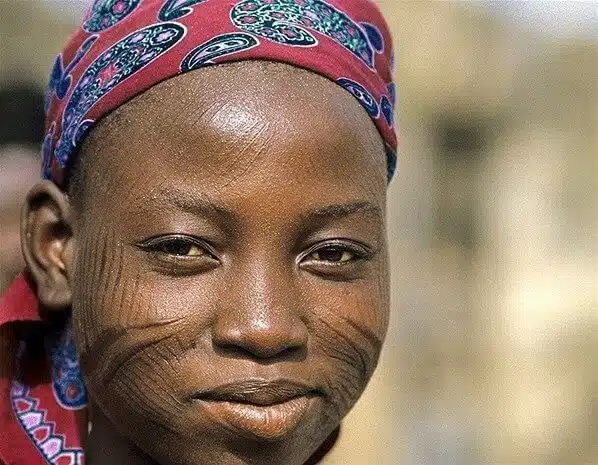
The Frafra people are a distinct subset of the Gurunsi ethnic group who reside primarily in the Upper East Region of Ghana. They are also found in southern Burkina Faso, sharing similar cultural practices, language, and background. However, it is important to note that the Frafra encompass four distinct groups: Gurensi, Talensi, Nabdam, and Kusasi, each with their own linguistic variations and specific characteristics. While the term “Frafra” is often used as a general term to refer to these groups collectively, they are distinguishable entities with their own unique identities. The Frafra region is predominantly rural, with the majority of the population engaged in agricultural activities as their primary means of sustenance. Farming plays a central role in their livelihoods, reflecting their strong connection to the land and natural resources of the region. The name “Frafra” originated from a traditional greeting commonly used among the people. The greeting involves shouting the phrase “furra furra” while clapping hands, which has become synonymous with the Frafra identity and cultural expression. The Frafra people share a common history, language, and political structure, but their experiences and development have diverged from their northern neighbors, such as the Nuna, Bwa, and Winiama, due to the influence of different colonial systems. In the precolonial era, the Frafra were organized in a decentralized manner, with lineage-based social structures and minimal centralized authority. However, the introduction of colonial governance led to the establishment of chiefs and centralized political systems in certain areas. Migration has been a significant aspect of the Frafra people’s recent history. Various factors have contributed to population movement, including population growth, adverse environmental conditions, economic pressures, and cultural practices. Population growth has led to increased competition for limited resources, particularly viable farmland. The region’s landscape, characterized by rocky terrain and susceptibility to flooding, has further exacerbated the scarcity of suitable land for farming and habitation. As a result, many Frafra individuals and families have migrated to other areas in search of better agricultural prospects and economic opportunities. High bridal prices have also driven some men to seek work outside their communities to secure the necessary resources for marriage. Migration, in some cases, is considered a demonstration of maturity and masculinity, while for the youth, venturing into new territories is seen as a rite of passage and an opportunity to earn respect. Other unforeseen factors, such as the infestation of Oncho flies in the Bongo region, have also compelled farmers to relocate. READ NEXT ON: History of the Bono People
Cocoloko Beach

Cocoloko Beach, located east of Accra near Ada, is a captivating destination where sea turtle nesting takes place, creating a remarkable sight for nature lovers. This beach serves as a haven not only for sea turtles but also for a diverse array of estuary birds, adding to its appeal as a wildlife enthusiast’s paradise. Situated at the point where the Volta River meets the vast expanse of the Atlantic Ocean, Cocoloko Beach offers a pristine coastline that attracts both beachcombers and those seeking a genuine beach experience. Its proximity to Accra makes it easily accessible, ensuring that visitors can embark on a memorable beach adventure without having to travel long distances. One of the standout features of Cocoloko Beach is the Volta Estuary, a significant ecological area where the Volta River and the Atlantic Ocean converge. This estuary provides a refuge for various bird species, creating a vibrant ecosystem that birdwatchers will find captivating. The sight of estuary birds gracefully soaring across the skies or wading in the shallow waters is a spectacle that nature enthusiasts should not miss. Cocoloko Beach has gained a well-deserved reputation as a popular camping destination, offering an opportunity to immerse oneself in the serene beauty of the natural surroundings. For those seeking a unique and authentic experience, traditional bungalows have been constructed, providing comfortable accommodation options that blend harmoniously with the beach’s natural ambiance. These bungalows offer a chance to experience the charm of traditional architecture while enjoying the soothing sounds of the ocean and the gentle breeze that sweeps through the area. Whether it’s strolling along the picturesque shoreline, observing the mesmerizing nesting rituals of sea turtles, capturing the graceful flight of estuary birds, or simply unwinding amidst the tranquil beach atmosphere, Cocoloko Beach offers an unforgettable experience for visitors of all ages. Its combination of natural wonders, accessibility, and accommodation options make it an ideal destination for those seeking a true beach getaway and an opportunity to reconnect with nature. Cocoloko Beach stands as a testament to the remarkable beauty and biodiversity that can be found along Ghana’s coastline. It showcases the country’s commitment to preserving and showcasing its natural heritage, making it a must-visit destination for anyone who appreciates the splendor of the outdoors and the wonders of the animal kingdom. READ NEXT ON: BridgeView Resort
6 Challenges of Influencer Marketing

Influencer marketing has become an increasingly popular strategy for brands to reach and engage with their target audience. By partnering with influencers who have a large following and strong influence over their followers’ purchasing decisions, brands can tap into a highly engaged audience and potentially increase brand awareness, credibility, and sales. However, influencer marketing also comes with its own set of challenges. Let’s explore some of the key challenges associated with influencer marketing. Authenticity and credibility One of the primary challenges in influencer marketing is ensuring authenticity and credibility. Audiences are becoming more discerning and can quickly spot inauthentic or forced endorsements. If an influencer promotes products or services that don’t align with their personal brand or values, it can lead to a loss of trust and credibility. Brands must carefully select influencers whose values align with their own and who genuinely believe in the products or services they are promoting. Identifying the right influencers With the rise of influencer marketing, the number of influencers across various platforms has also increased significantly. However, not all influencers are the right fit for every brand or campaign. Identifying the right influencers who have a genuine connection with your target audience and can effectively communicate your brand message is crucial. It requires thorough research, analysis of their engagement rates, demographics of their followers, and evaluating their previous collaborations to ensure they have a track record of delivering results. Measurement and ROI Measuring the return on investment (ROI) of influencer marketing campaigns can be challenging. Unlike traditional advertising channels, influencer marketing often involves softer metrics such as engagement, reach, and brand sentiment. While these metrics provide valuable insights, they may not directly translate into tangible business outcomes like increased sales or conversions. Establishing clear campaign objectives and tracking relevant metrics is essential to measure the effectiveness of influencer marketing and justify the investment. Transparency and disclosure Transparency is crucial in influencer marketing to maintain trust with audiences. Influencers are legally required in many countries to disclose sponsored content or brand partnerships. However, enforcing proper disclosure practices can be challenging, especially when it comes to subtle or integrated brand mentions. Brands and influencers must work together to ensure compliance with disclosure guidelines and promote transparency to avoid misleading their audiences. Influencer fraud and fake followers The prevalence of influencer fraud, including the purchase of fake followers and engagement, is a significant concern in the industry. Brands need to be cautious when selecting influencers and verify the authenticity of their followers and engagement. Tools and platforms are available to detect potential fraud, such as analyzing engagement rates, audience demographics, and comparing follower growth patterns. Working with reputable influencer marketing agencies or platforms can also help mitigate the risk of partnering with fraudulent influencers. Maintaining long-term partnerships Building long-term relationships with influencers can be challenging in a rapidly evolving landscape. Influencers may switch platforms, change their content focus, or face fluctuations in their engagement rates. To maintain successful long-term partnerships, brands must adapt and evolve with influencers’ changing needs and ensure ongoing alignment with their brand values and goals. In conclusion, influencer marketing offers significant opportunities for brands to connect with their target audience. However, it also presents challenges that require careful consideration and strategic planning. By addressing the challenges of authenticity, identifying the right influencers, measuring ROI, ensuring transparency, combating influencer fraud, and fostering long-term partnerships, brands can navigate the influencer marketing landscape more effectively and maximize the benefits of this powerful marketing strategy. WHAT’S OUT THERE: Influencer Marketing Challenges Brands Must Know About READ NEXT ON: 8 Ethics and Regulations in Influencer Marketing
6 Ways to Create a Positive Workplace Culture to Prevent Toxicity

A positive workplace culture is essential for fostering employee well-being, enhancing productivity, and preventing toxicity in the workplace. Toxicity can manifest in various forms, including negative attitudes, unhealthy competition, bullying, harassment, and a lack of empathy and respect among colleagues. However, by actively cultivating a positive work environment, organizations can mitigate these issues and promote a culture that values collaboration, mutual support, and employee satisfaction. One of the fundamental aspects of building a positive workplace culture is effective communication. Open and transparent communication channels allow employees to express their thoughts, concerns, and ideas freely. Encouraging active listening, providing feedback, and promoting dialogue not only fosters a sense of belonging but also helps identify and address potential issues before they escalate into toxic situations. Creating opportunities for team members to engage in constructive conversations, such as regular team meetings, brainstorming sessions, and feedback sessions, enables a culture of collaboration and mutual respect. Another key element of a positive workplace culture is promoting work-life balance. Recognizing the importance of employees’ personal lives and well-being can significantly contribute to their overall job satisfaction and motivation. Offering flexible work arrangements, promoting time off, and providing resources for managing stress and maintaining a healthy lifestyle demonstrate an organization’s commitment to employee welfare. By supporting work-life balance, organizations empower their employees to be more engaged, productive, and less susceptible to stress and burnout, thereby reducing the risk of toxicity in the workplace. Inclusivity and diversity are also critical components of a positive workplace culture. Embracing diversity in all its forms, including race, gender, age, ethnicity, and background, cultivates a rich and inclusive environment where different perspectives are valued and celebrated. Organizations can establish diversity and inclusion initiatives, such as diversity training, mentorship programs, and employee resource groups, to foster an atmosphere of acceptance, respect, and equal opportunities. When employees feel valued and included, they are more likely to contribute their unique talents and ideas, fostering a collaborative and supportive workplace culture. Recognizing and appreciating employee contributions is another powerful tool in preventing toxicity. Employees who feel valued and appreciated are more likely to be engaged, motivated, and committed to their work. Organizations can implement recognition programs, such as employee of the month awards, peer-to-peer recognition, or appreciation events, to acknowledge and celebrate achievements and efforts. This not only boosts morale but also reinforces positive behavior and fosters a culture of gratitude and encouragement, minimizing the likelihood of toxic behaviors such as resentment and animosity. Leadership plays a crucial role in shaping workplace culture. Leaders should lead by example, demonstrating integrity, empathy, and respect in their interactions with employees. They should prioritize creating a safe and inclusive environment where employees feel comfortable speaking up, sharing their ideas, and addressing concerns. Transparent decision-making, providing opportunities for professional growth and development, and offering support and guidance are key attributes of effective leadership that contribute to a positive workplace culture. Regular training and education on topics such as emotional intelligence, conflict resolution, and diversity and inclusion are valuable investments in preventing toxicity. Equipping employees with the necessary skills and knowledge to navigate challenging situations and foster positive relationships can help prevent and address toxic behaviors. Additionally, training managers and supervisors to recognize and address signs of toxicity is crucial for maintaining a healthy work environment. Managers should be trained in conflict resolution techniques, effective communication, and how to provide constructive feedback, enabling them to proactively address any potential issues and create a positive work atmosphere. In conclusion, building a positive and supportive workplace culture is essential for preventing toxicity and fostering a healthy and thriving work environment. By promoting effective communication, work-life balance, inclusivity, recognition, and strong leadership, organizations can create a culture that values collaboration, respect, and employee well-being. Investing in training and education further equips employees and managers with the tools to address and prevent toxic behaviors. Ultimately, a positive workplace culture not only benefits individual employees but also enhances organizational success and productivity. WHAT’S OUT THERE: 6 ways to prevent a toxic work culture READ NEXT ON: 7 Ways to Recognize and Avoid Toxic Workplace Cultures during Job Interviews
Beyond the Face: Jackie Appiah

Jackie Appiah, born on December 5, 1983, is an actress of Ghanaian and Canadian descent. Her talent and dedication to her craft have earned her numerous awards and nominations, including Best Actress in a Leading Role at the 2010 Africa Movie Academy Awards and Best Actress in a Supporting Role at the Africa Movie Academy Awards in 2007. Additionally, she received nominations for Best Actress in a Leading Role and Best Upcoming Actress at the Africa Movie Academy Awards in 2008. Born in Toronto, Canada, Jackie Appiah is the youngest of five children. Despite being born in Canada, she identifies as Ghanaian Canadian, as she relocated to Ghana with her mother at the age of 10. She is widely recognized by her maiden name, Appiah. In 2005, she married Peter Agyemang and they have one son. Her father, Kwabena Appiah, is currently residing in Toronto, Ontario, Canada, and is the younger brother of the late Joe Appiah, a renowned lawyer in Kumasi. Jackie Appiah’s career took off when she was invited by Edward Seddoh Junior, the writer of “Things We Do For Love,” to join the cast. Her role as Enyonam Blagogee marked the beginning of her regular appearances on screen. She went on to participate in various TV series such as “Tentacles,” “Games People Play,” and “Sun-city.” Reflecting on her early days in the industry, Jackie recalls feeling incredibly shy during her first on-set experience in a Venus Film Production titled “Divine Love.” Despite her initial self-doubt, she managed to impress everyone. She considers her role in “Mummy’s Daughter” by Venus Films as one of her best performances. The film portrays the Bartels Family, where she portrayed the character of Princess, the daughter. Jackie expresses her satisfaction with her acting in that role. Jackie Appiah gained recognition in Nollywood through her successful Ghanaian films, including “Beyoncé – The President Daughter,” “Princess Tyra,” “Passion of the Soul,” “Pretty Queen,” “The Prince’s Bride,” “The King is Mine,” and “The Perfect Picture.” Some of her notable Nollywood films include “Black Soul” and “Bitter Blessing,” alongside Ramsey Noah, as well as “My Last Wedding,” alongside Emeka Ike. In 2013, Jackie received the Best International Actress award at the Papyrus Magazine Screen Actors Awards (PAMSAA) held in Abuja, Nigeria, further cementing her status as an accomplished actress. Outside of her acting career, Jackie Appiah has also ventured into promotional work. Her face can be seen on billboards and TV commercials in Ghana, representing various brands such as GSMF, U.B, and IPMC. Her first TV commercial was for GSMF, and she has since continued to collaborate with different companies for promotional campaigns. Jackie Appiah’s talent, versatility, and contributions to the film industry have made her a respected figure in both Ghanaian and Nollywood cinema. Her passion for acting and her ability to captivate audiences have solidified her status as a renowned actress in the African film industry. READ NEXT ON: Beyond the Face: Theresa Oppong-Beeko
History of the Bono People

The Bono people, also known as the Brong and the Abron, are an indigenous Akan group hailing from West Africa. Within the Akan community, they hold the distinction of being one of the largest ethnic groups and are recognized for their matrilineal traditions. The Bono people primarily communicate in Bono Twi, a dialect of the Akan language that traces its roots back to King Nana Twi of Bono. In the late 15th century, the Bono people embarked on a period of expansion, establishing the Gyaaman kingdom, which served as an extension of the Bono state. This kingdom spanned across present-day Ghana and Côte d’Ivoire, showcasing the far-reaching influence of the Bono people. The discovery of gold in the Twi River and Prabom across the Tain River during the 12th century played a significant role in augmenting the power and wealth of the Bono people. Gold dust emerged as a form of currency in the region, and the Bono’s control over the gold trade fostered economic prosperity and facilitated interactions with various market centers, including Djenne, Timbuktu, and North Africa. The Bono people were also celebrated for their expertise in brass casting, cloth weaving (such as gagawuga, kyenkyen, and kente), and pottery, which added to their cultural richness. During the arrival of the Portuguese in the 15th century along the Gold Coast, the city of Begho in Bonoman emerged as one of the largest ancient cities in West Africa, boasting an estimated population of 12,000. Bono Manso, another historically significant city, played a notable role in the Atlantic slave trade. In present times, Bono Manso attracts many diaspora Africans who seek to explore their historical heritage and ancestral roots. Bono is widely recognized as the cultural hub of Akan traditions, as many elements of Akan culture, including clans (abusua), ntoro, Akan drums (fontomfrom, atumpan), Akan nomenclature, umbrellas used for kings, adinkra symbols, fly whisks, ivory trumpets, headgears, and swords of the nation, find their origins in Bono. The Bono people actively participate in Akan traditional dances such as Kete, Adowa, fontomfrom, and various others, keeping their vibrant cultural practices alive. The history of the Bono people can be traced back to their migration from Ancient Ghana. Faced with the imposition of different practices, they sought to preserve their Bono ancestral worship and spirituality, leading them to migrate to the southern part of the Black Volta River and the tropical forests of central Ghana. According to oral tradition, a group of Bono people emerged from a hole called Amonwi cave following an earthquake near Fiema in Nkoransa state. Later, they merged with another group led by Ohene Asaman at a location known as Pinihini. Seeking guidance from his god (bosom buru or bosommuru), Ohene Asaman received instructions to establish towns or states, earning him the name Biakuru, meaning “he who builds towns.” The Bono people went on to construct a town called Yefiri, which translates to “we are coming out of the cave.” Ohene Asaman, belonging to the falcon clan Ayoko, and Bonohemaa Ameyaa Kesse established another town called Bono Manso, eventually becoming the capital of Bonoman, which comprised a confederation of seven powerful clans. Other settlements were named after the abosom (deities) that inhabited the land. The Krontihene, a chief advisor, remained in Yefiri, while families were encouraged to settle in different parts of the acquired territory. READ NEXT ON: History of the Fante People